Rye Nut European Buns
Overview
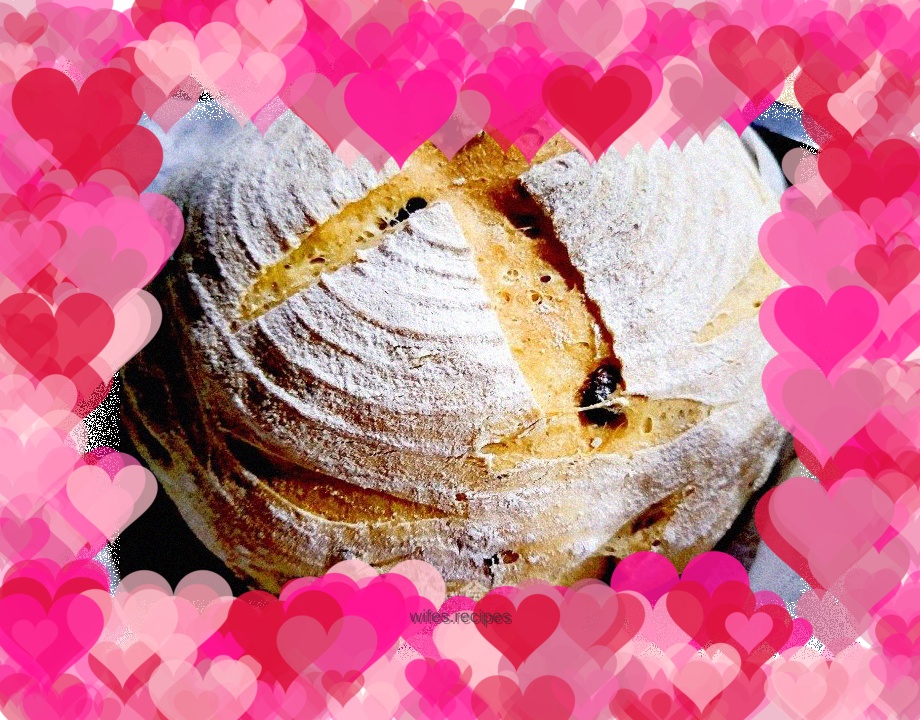
Rye nut European buns, rich in wheat aroma and rich in taste. Always a favorite with my family, it’s also easy to make.
Tags
Ingredients
Steps
-
Put the liquid first and then the powder. Add in order: 165g of ice water (ice water is for summer), 5g of sugar, 3g of salt, 200g of high-gluten flour, 50g of rye flour (I beat the rye myself with a wall-breaking machine), and 3g of yeast. Keep the top lid of the bread machine open throughout the dough mixing process. 15 grams of butter. Wait until the first dough mixing process is completed before adding it.

-
After the first dough kneading process is completed. Wrap the dough in a plastic bag and place it in the refrigerator for 5 minutes (this step is because the weather in summer is too hot, and the bread machine heats up due to the long time of kneading the dough, so that the dough begins to ferment before it reaches the required standard).

-
Start the second dough mixing program and add 15g of butter.

-
The dough needs to be kneaded to the expansion stage, which means that a large film can be pulled out, and it does not need to be kneaded to the complete stage, which is often referred to as the glove puller film. (I am nearly perfect)

-
Turn off the bread machine and do not remove the dough. Cover the bread barrel with a plastic bag, then cover the lid to ferment. Wait until the dough has fermented to about 1.5 times in size. Dip your index finger in flour and poke the top of the dough. If the hole does not collapse or shrink, it is in the best condition. (Never over-ferment. If the first fermentation is overdone, the second fermentation will be weak and will directly lead to failure.)

-
Add appropriate amounts of cooked walnut kernels, cooked pumpkin seed kernels, cranberry prunes, and raisins. You can restart the dough kneading process and knead evenly (you can also knead it by hand).

-
Sprinkle a little flour on the rattan basket to prevent it from sticking.

-
Take out the dough and roll it into a round ball, sprinkle some flour on it.

-
Place the floured side toward the rattan basket with the seam facing up. Press it slightly, cover it with a plastic bag and let it ferment.

-
When the dough is 8 or 9 minutes full, you can move it to the baking sheet.

-
Cover the rattan basket with a baking sheet, hold it up and down, and turn over quickly. The bread will have beautiful prints.

-
Use a razor blade to cut out the pattern you like. The cut mark is approximately 0.5 cm deep.

-
Preheat the oven to 190°C for the upper heat and 160°C for the lower heat. Place on the second to last level of the oven (you can spray some water mist into the oven, omit if you are not too demanding) and bake for 35 minutes. Cover with tin foil according to the coloring of the bread.

-
I made two portions of dough at once and divided the other dough into six portions.

-
Divide each small portion into one large and one small portion, and roll the large dough into a round shape. Roll the dough into strips and sprinkle an appropriate amount of dried fruits on top.

-
Roll up the long strip of dough and place it into a round sheet.

-
Wrap into triangle shape.

-
Arrange into baking pan and ferment in plastic wrap or plastic bag. After rising, use a dough sieve to add flour, flick the dough sieve with your fingers to sprinkle the flour.

-
Use a razor blade to cut out the pattern, not too deep. Prevent stuffing from being exposed.

-
Preheat the oven to 180°C for the upper heat and 170°C for the lower heat. Bake for 20 minutes.

-
Let’s take a group photo.

-
slice. Hard on the outside, soft on the inside.
