1 recipe found
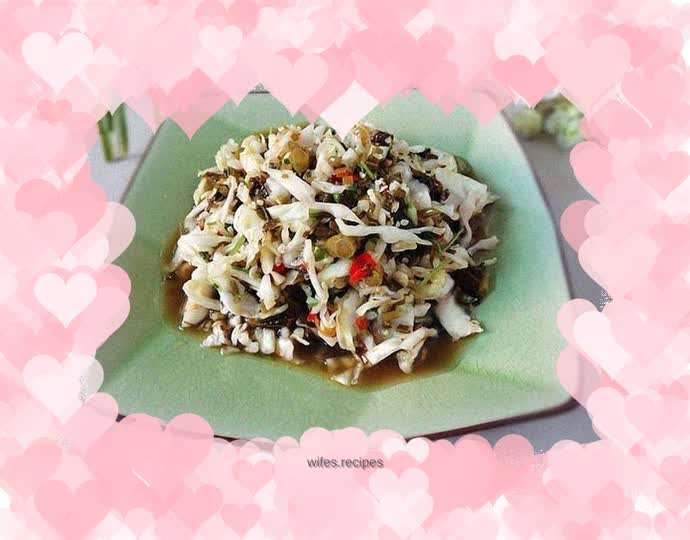
In my hometown, cabbage is also called cabbage, sometimes also called lotus white. Because of its long retention period, farmers like to grow it. The outer leaves are often used for pig feed. Of course, many of them are grown at home. At that time, the family seemed to use cabbage for most of the year. Even now, I am a little scared to see cabbage. However, cabbage is rich in nutrients and allowed us to grow up healthily in that era of material poverty. The nutritional value of cabbage is almost the same as that of Chinese cabbage, and the vitamin C content is about twice as high. In addition, cabbage is rich in folic acid, which is an advantage of cabbage vegetables. Therefore, pregnant women and anemia patients should eat more cabbage. Cabbage is also an important beauty product. Cabbage contains a certain ulcer healing factor, which has a good therapeutic effect on ulcers and can accelerate wound healing. It is an effective food for patients with gastric ulcers. Eating more cabbage can also increase appetite, promote digestion and prevent constipation. Water pickles are called Fa Shui pickles in Pu'er. The characteristic of water pickles is that the pickling cycle is short. Generally, the finished product takes about 10-15 days. They can be pickled all year round, making them a convenient pickled product. Water pickled vegetables are made by washing and cutting Yunnan bitter vegetables into small pieces, then putting them in an earthen jar, pouring cold boiled water over them, adding some salt, and then placing the jar in a place where the sun can shine, allowing it to heat up and naturally ferment and become sour. This process takes about a week before it can be opened and eaten. Put some rice soup in it to make the flavor more mellow.