1 recipe found
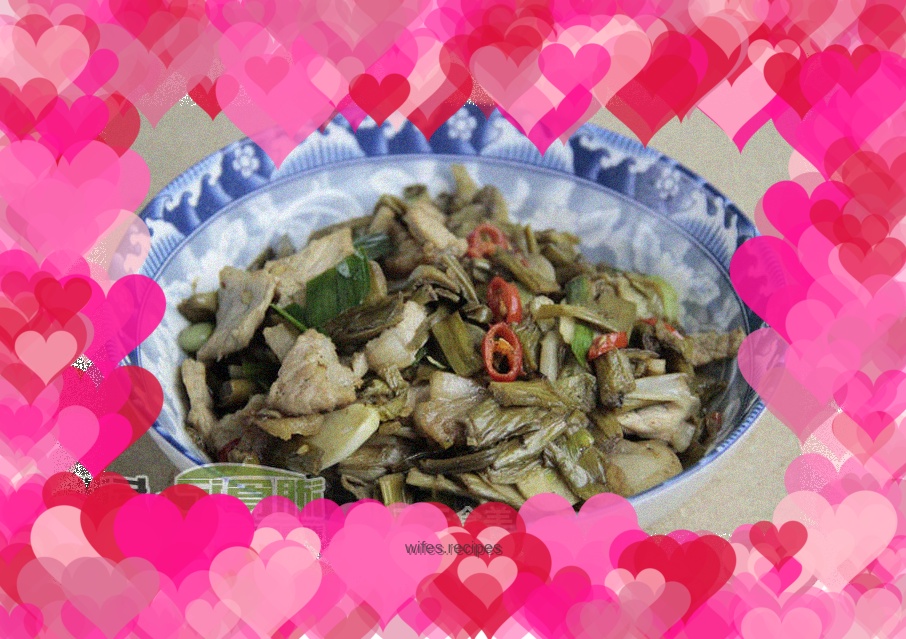
I believe many people have eaten taro, but many people have not eaten taro and lotus stems, and they don’t even know what it is and that it can be eaten. There are many kinds of taro. Most of the taro grown in Hunan are grown in paddy fields (canals). The taro we usually eat is a stem buried in the mud, and the purple-red branches and leaves that grow on the stem are called taro stems, which can reach a height of about 2 meters. Li Shizhen wrote in "Compendium of Materia Medica": taro stems are pungent, cold, slippery, non-toxic, and can relieve troubles and stop diarrhea. Treats depression and fetal movement in pregnant women. Folk medicine is mostly used as a dietary therapy to warm the stomach and relieve pain. Taro and lotus stems are not only used medicinally, but also become a delicacy on the dining table. Harvest the taro stalks, pinch off the leaves, wash them and cut them into segments, drain them and add salt, then put them in a jar and seal them for a period of time to make sour taro seeds, also called Bu Yu He. This is one of the jar dishes that many Hunan people loved when they were children. It is delicious in color, sour and crispy and appetizing, and you will never get tired of eating it. Nowadays, this dish can often only be eaten in farmhouses or some unique Hunan restaurants. Today I would like to introduce to you the stir-fried farmhouse sour taro charge.