Recipes tagged "Vitamin C solution"
4 recipes found
-
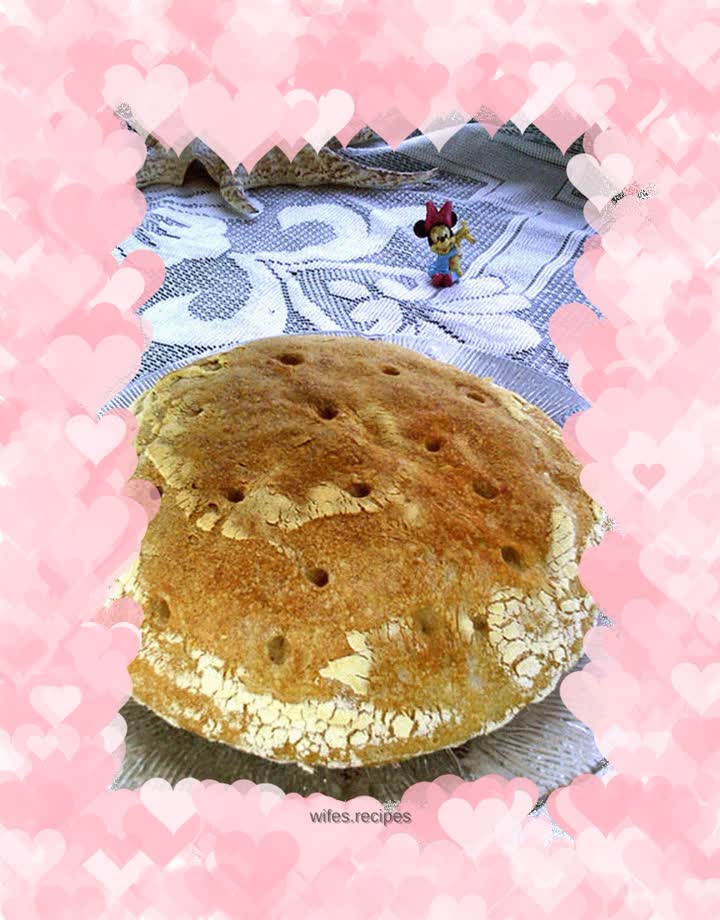
French country bread
Tailor 3: French country bread The longest wait. It went through five fermentations in total. From the first fermentation of 1-3 hours; to the second fermentation of 15-20 hours; enter the main dough, ferment for 90 minutes, then ferment for 45 minutes after exhausting, and then enter the final fermentation of 70-90 minutes. The most patience-testing country bread. . . The use of rattan baskets for final fermentation seems to be a characteristic and symbol of country bread. The rattan basket gives the bread the impression of circles like steps. What to do without a rattan basket? Teacher Meng said that it can be placed directly on the baking sheet to ferment. The Japanese master said that you can find a thicker basket, lay a thick canvas, or shape the dough into a long stick shape. Regardless, they strongly recommend using a proofing basket as it's more authentic. What do you do if you don’t have a rattan basket? People who don't take the usual path always have some incredible ideas. I had already set my sights on the two empty or full earthenware jars. The size of the top of the sauerkraut jar should be just right, so let’s borrow it for now. While the sun is shining, wash it clean, dry it, and wait for the last rise of the dough. The lid with the mouth facing upward is like a large earthenware bowl, rough and simple, exuding a rustic flavor. Sprinkle flour on the side of the bowl, push the dough into it, and the whole plan is almost complete. A hundred secrets and a sparseness. Carefully pour the trembling dough onto the baking sheet, poke holes, spray with water, and place in the oven. . . However, I found that when the oven was set and the temperature was set, I forgot to turn it to the heating position. The dough that is already sprayed with water has to wait for the cold oven to brew its enthusiasm. Looking at the wet skin, I wondered if it would be too badly damaged. Not too miserable. Although there are no circles of steps, the rough texture caused by the scattered flour on the surface is enough to give people a sense of satisfaction. . . .
Baking Foreign cuisine -

French Bacon Bread
The second variation of French bread was originally called Shrimp and Bacon Bread. At first glance, the name made me think it was bread with shrimp and bacon. I looked through the pictures and text, but I couldn't see the shrimp anywhere. It just said to put a piece of bacon on top of the dough. Could it be that the shrimps are in the bacon? Shrimp or not, there is bacon. There was no bacon in hand, so I was debating whether to cut the fragrant pork leg into two slices and pass it off as bacon. However, the long strips of bacon are neatly shaped and should be easier to shape. After all, I had to buy back a pack of bacon and keep the rest. The original recipe was to make two, but after shaping, I realized that this one was a bit too big. After the fermentation is completed, and I cut it left and right into ears, I'm afraid it will be crowded together. Let’s bake it in two sessions, take turns sleeping on the big bed, and stretch out. . . .
Baking bread -

French bread
The bread-reading book marched to the back, full of questions. French bread, if you just look at the original color of French bread, you really won’t think there is anything wrong with it. However, there happened to be two variations that followed closely behind. If we only look at these two changes, there will be no problem. However, after comparing the before and after, the question arises - is the fermentation condition of the yeast refrigerated or room temperature? Basic French bread, with detailed process and step-by-step instructions for making the dough. After making the liquid seed, cover it with plastic wrap and ferment it for 4-18 hours. In the blank of this page, ※Note: When making the liquid seed, if it is summer, it will need to ferment for 4 hours after it is made on the same day. If it is winter, it needs to ferment for 18 hours after being made on the same day. This explanation does not cause any confusion. While thinking about how to arrange the fermentation period of the liquid seed, I turned to the next two variations-shrimp bacon and French cheese bread. Since the same dough is used, both types of bread no longer have detailed dough making processes, but only list a concise process for the entire making process, with the temperature conditions and time required for each process indicated in parentheses. Liquid fermentation (4-18 hours in the refrigerator), which is obviously different from the instructions for plain French bread. In the basic French bread making, there is no mention of refrigerated fermentation, and the difference in fermentation time between winter and summer will not be understood as refrigerated fermentation in the refrigerator. Moreover, the temperature in the refrigerator is low and relatively constant, so why does fermentation need to be carried out for different lengths of time in different seasons? After much thought, I decided not to worry about the refrigerator issue and just treated it at room temperature. It is late spring and early summer, so if you control the fermentation time between 4-6 hours, there will probably be no problems. Let’s talk about liquid species for a moment. The liquid type with three points of water should obviously refer to the fermented dough with higher water content. In the formula, 1:1 flour and water seems to explain the problem. However, at the end of the book, in the summary of bread terminology, the liquid seeding method is explained as follows: It is mostly used in the production of butter-rich breads such as croissants and Danish pastries. However, as the temperature of the dough increases, the butter contained within the dough will melt. So, make the bread the day before and let it rise, then chill it in the refrigerator overnight to keep the butter cold. There's not a speck of butter used in the French bread dough, so there's obviously no such concern. As for the liquid seeding method explained here, it seems that it should be night seeding. Once you figure it out, take action. Although the full quantity of materials was recorded, only half of the quantity was actually made. Two small short sticks, they look hard on the outside but are actually soft on the inside and feel good.
Baking bread -
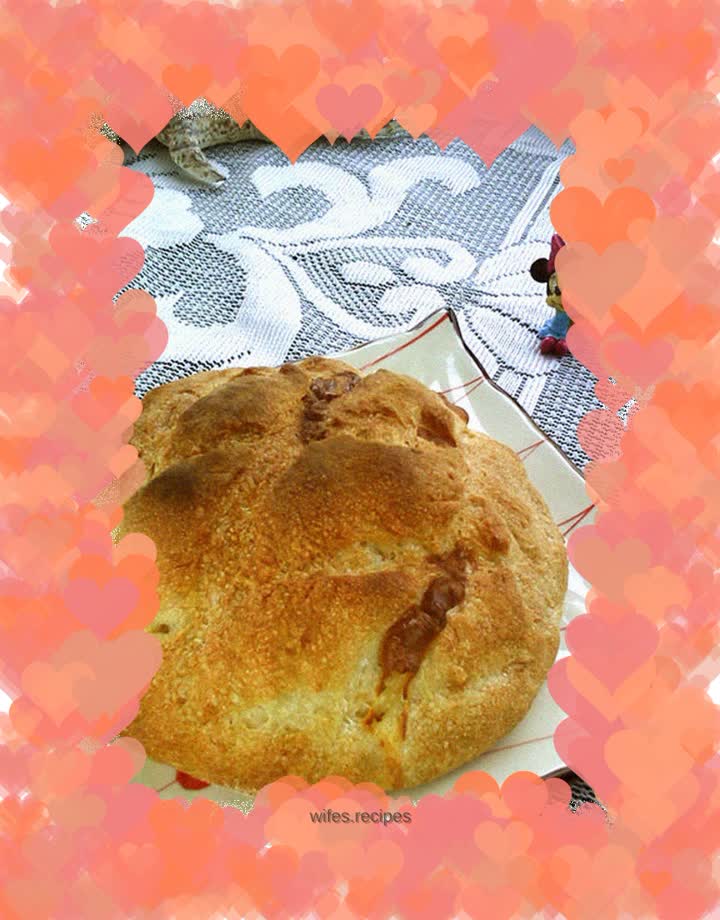
French cheese bread
Let’s talk about butter and cheese – ever since I discovered the ambiguity about butter and cheese in this book, I couldn’t help but be cautious when I saw these two words again. French cheese bread is made with processed cheese. Judging from the way it looks when it’s shaped and wrapped, and the way it emerges from the dough after baking, it doesn’t feel like butter before. I just don’t know what kind of cheese this processed cheese is. I also have a piece of cheddar cheese in my hand, so I'll use it here. Make only half the dough for cheese bread, this slice of cheese, should be enough. Cutting bags is a technical job. Once again, the dough was dragged out of folds by the blade. I really don’t understand what are the technical points involved in making those beautiful knife marks?
Baking bread