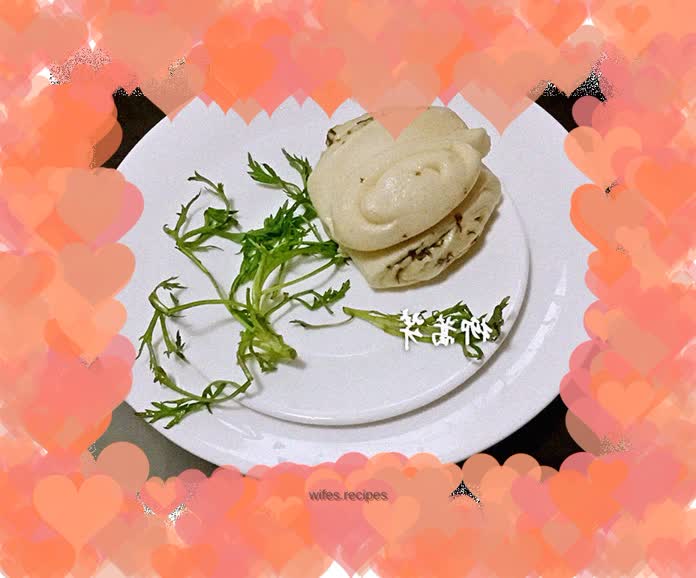
Willow bud flower roll
Artemisia annua, also known as Artemisia annua, Artemisia buds, Water Wormwood, Artemisia annua, etc., is a perennial herbaceous plant of the Asteraceae family, and its young stems and leaves are edible. Mainly distributed in the north and south of the Greater Khingan Mountains, it is cold and heat resistant and grows in riverbank wetlands, swamps, and under willow shrubs. Wild collection is usually carried out from May to June. After harvesting, it is blanched in water to remove the bitterness and can be fried, dipped in sauce or made into stuffing or soup. Nutritional value: Every 100 grams of fresh Artemisia annua contains 3.7 grams of protein, 0.7 grams of fat, 9 grams of carbohydrates, 2.1 grams of crude fiber, 4.4 mg of carotene, 0.3 mg of vitamin B2, 1.3 mg of niacin, and 23 mg of vitamin C. Each 100 grams of dry product contains 1960 mg of potassium, 950 mg of calcium, 260 mg of magnesium, 415 mg of phosphorus, 38 mg of sodium, 13.9 mg of iron, 11.9 mg of manganese, 2.6 mg of zinc, and 1.7 mg of copper. It has the effect of breaking blood, relieving blood stasis, lowering qi and unblocking collaterals. Note: People with chronic enteritis may cause severe diarrhea. Related legends: Legend has it that the Daur people living in the Nenjiang River Basin accidentally discovered that willow buds were edible during times of crisis, and relied on them to successfully survive the crisis. Willow bud is the Chinese name, and it is called Kumul in Daur. Therefore, today’s Daur families still have the habit of eating Kumul, both wild and artificially cultivated.
Staple food
Pasta