Qiama ancient mutton stew
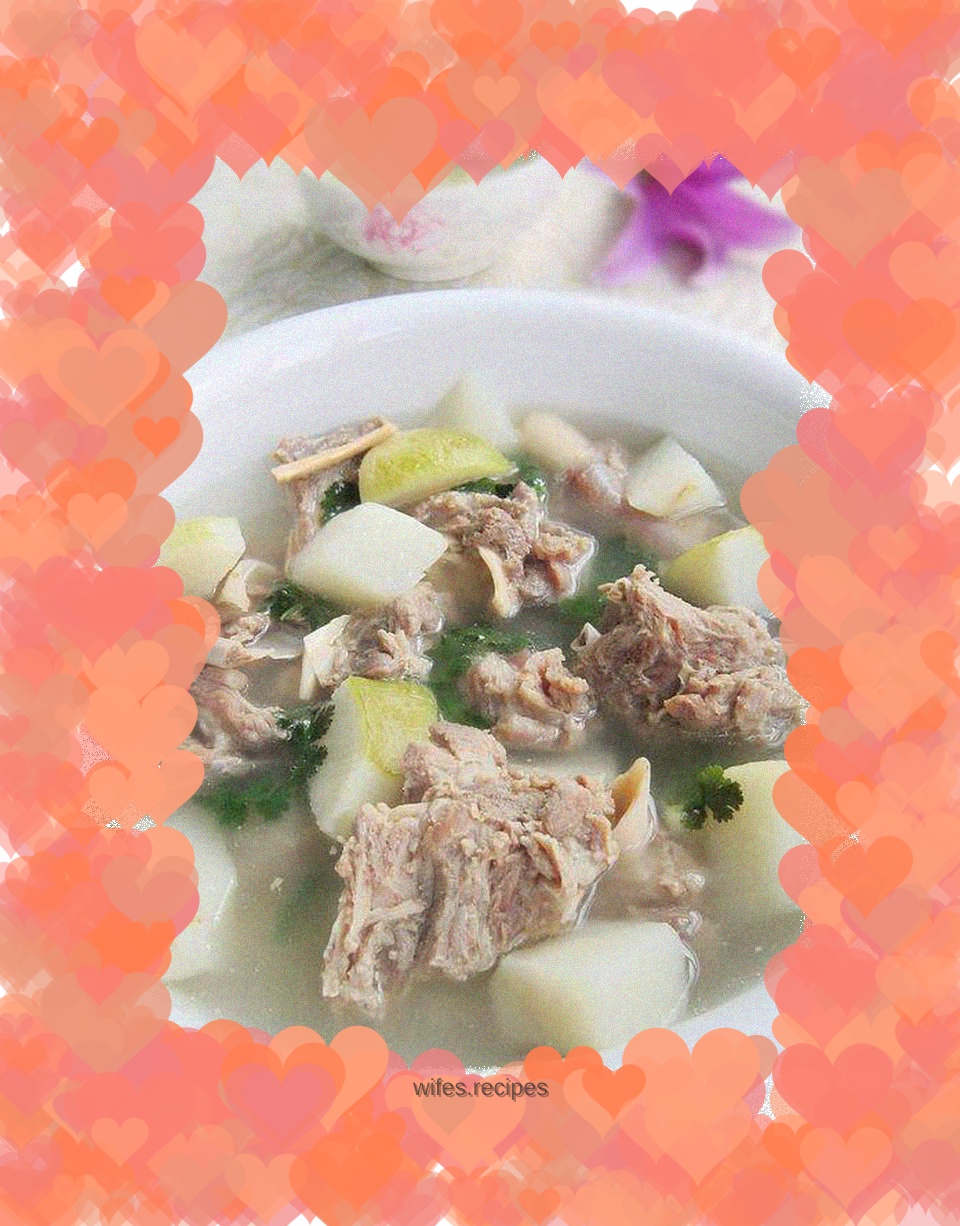
Overview
It is said that the sheep in Xinjiang walk on the golden road, drink mineral water, eat Chinese herbal medicine, and even their feces are made from Liuwei Dihuang Pills. Although it is a joke, it is enough to show that Xinjiang sheep grow in a natural environment. Xinjiang mutton is famous all over the world for its warm taste and delicious taste. Cooking it in the simple way of stewing it can maintain its essence to the greatest extent. Put the meat in cold water until the water just covers the meat. As soon as the pot is opened, the big blood foam will be skimmed off, and the fire will be reduced. A real simmer, a real stew. Skip the floating oil on the broth in the pot one spoon at a time, and then pour it on the meat exposed in the soup. The soup in the pot always maintains a state of boiling but not boiling. Speaking of Qiamagu, not only many mainlanders don’t know about it, but many people in Xinjiang don’t know much about it either. Judging from the appearance, it looks very much like a white radish. The big one is about the same size as a white radish. If you look closely, you will see that it looks ugly. There are many scars on it and it is not smooth at all. If you are a very picky person when it comes to food shopping, Qiamagu will hardly catch your eye. Xinjiang people have been eating Qiamagu for two thousand years. Qiamagu is as important to local ethnic minorities as Han people regard ginseng. The difference is that Qiamagu can be eaten every day without getting angry. Therefore, the Uighurs call Qiamagu the holy fruit of longevity. The famous Keping County in Aksu, Xinjiang is the hometown of longevity, because the locals like to eat Qiamagu, and they make it into various ways to eat it. Xinjiang now makes Chamagu into drinks, essential oils, sesame oil, etc. It is said that Chamagu also has anti-cancer effects, which shows that the nutritional value and medicinal value of Chamagu are really too high. Chamagu is a highly alkaline plant that has a balancing effect on people with acidic constitutions. According to experts, 80% of Chinese people have severely acidic bodies, and nearly 60% of these people have sub-healthy bodies and need to supplement alkaline substances. Uyghur medical classics such as "The Great Medical Code" have detailed records of Qiamagu's plant origin, medicinal properties, pharmacological effects, functions and indications: Qiamagu is non-toxic, warm in nature and returns to the stomach meridian and liver meridian, unblocks the triple burner, benefits the middle qi, benefits the five internal organs, and detoxifies evil toxins. It can moisten the lungs and relieve cough, clear the liver and improve eyesight, replenish essence and strengthen the kidneys, soften the intestines and laxative, diuretic and reduce swelling, treat cholera, scrofula, breast cancer, and relieve thirst... When taken internally and externally, it can rise or fall, induce sweating and vomiting, can lower the body, produce sperm, replenish qi, relieve thirst, and refresh the mind. Its functions are very great.
Tags
Ingredients
Steps
-
Ingredients: Chamagu mutton with bones, onions, salt and coriander

-
Peel the onion and cut into small pieces, cut the lamb into pieces

-
Put it into the clay pot

-
Add cold water

-
Bring to a boil and skim off the foam

-
Turn to low heat, add onions and simmer for about 2 hours

-
Wash and cut the chamagu into pieces

-
Add it to the clay pot, add salt and simmer for about 15 minutes or so

-
Wash and mince the coriander, sprinkle with minced chives and serve
