Lemon Sponge Cake-Not Simply Ordinary
Overview
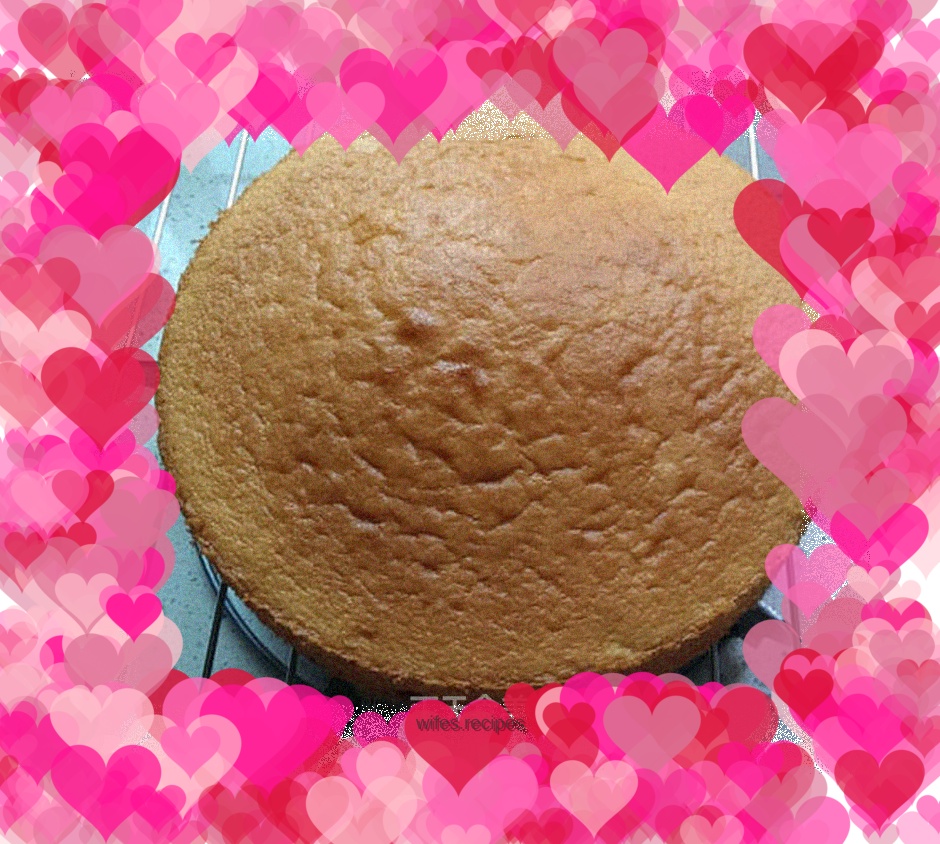
The first time I tried sponge cake was on Mother's Day this year. At that time, I saw many masters performing their skills, and I was mentally itchy. I finally dug out the baking tools that had been stored at the bottom of the box for several years and decided to give it a try. The reason why I chose sponge is because it is closer to the chicken cake in my hometown and uses one less egg basin than chiffon. I thought the finished product would be more or less passable, but I didn't expect it to be an out-and-out egg pancake. Despite this, it still gets the approval of my parents - it tastes good, and a little higher would be better, so that's okay. With a foodie's pursuit of delicious food and a little bit of his attitude towards scientific research, he started a road of self-study with repeated failures. I surfed the Internet, watched videos, and experimented... This is probably my 10th work. The center height is 6cm, which is strong, and the surrounding 5.5cm is insufficient. Although it is an improvement compared to before, I know that it is still far behind. I will show it off and share it with everyone. I hope to get guidance from experts.
Tags
Ingredients
Steps
-
Raw material collection

-
Add water to a pot, heat over high heat, put in a bowl of milk and butter, and let it dissolve over water.

-
When the water in the pot cools down slightly and becomes warm, add the eggs

-
Put the oil-free and water-free egg bowl into hot water, beat the eggs into it, and beat the eggs at low speed first

-
Then add a little lemon juice and all the sugar

-
Increase the speed to medium and beat until the egg liquid becomes puffy and turns white

-
Then turn to high speed to beat the egg liquid, use a whisk to pick up the egg liquid, the egg liquid slowly drips on the egg batter, and stays for a while before disappearing

-
Finally, use speed 1 to smooth the egg batter for 1 minute. At this time, the egg batter is very smooth, like silk satin

-
Set the oven to 180 degrees, turn the heat up and down, and start preheating. Sift in the flour (already sifted twice before) and pour in the lemon zest

-
Mix well

-
Pour the warm milk and butter liquid evenly into the batter along the egg beater, then pour in the remaining lemon juice

-
Stir quickly and mix evenly. Here I follow Kojima's technique and mix 80 times

-
Grease the 8-inch removable bottom mold in advance, pour the cake batter into it, shake the mold gently, and try to keep the cake batter surface as consistent as possible

-
Place in the middle and lower racks of the oven, turn to 165 degrees, and set the timer for 30 minutes

-
When baking for 10 minutes, the cake batter has obvious swelling, turn 150 degrees

-
After baking, take out the mold and shake it twice on the countertop.

-
Place upside down on a wet towel and let cool

-
Unmold and place on baking sheet. After baking for 10 minutes, the sides of the cake, which originally grew evenly, no longer exerted force, but the middle part continued to rise without any effort, so it became tall in the middle and low on all sides.

-
This is the inner structure of the cake

-
The finished product tastes really good, of course based on my taste. The texture is not rough, it has lemon flavor and milky aroma, it is not greasy, and it is not too sweet.
