Light cheesecake
Overview
For the 8-inch mold, if you buy the cream cheese in a small package of 200g, it will be just right.
Tags
Ingredients
Steps
-
Beat 200g cream cheese + 80g milk with hot water until evenly mixed. Remember, eggs are easier to whip if they are fresh from the refrigerator. Cream cheese, milk, and butter can be taken out in advance. When they need to be softened and returned to room temperature, they can be stirred without heating. If you want to save time, use the method of stirring with insulated water.

-
Continue to heat the water, add 45g of butter, and stir until the butter melts.

-
At this point you can take it out of the hot water and use a blender to blend quickly until smooth. It also cooled down by the way.

-
Lower to hand temperature or slightly higher, add the egg yolks in portions (put the egg whites into another clean bowl), mix one well and then add the next.

-
Sift in 40g of low-gluten flour.

-
Mix well.

-
At this time, add boiling water to the mold or baking pan, and preheat the oven to 180 degrees.

-
To the egg white liquid, add 2 drops of white vinegar (it’s okay not to add it, just beat it for a few more minutes).

-
From high speed to low speed, beat the egg whites. Add fine sugar (white sugar is also acceptable) in 3 portions.

-
It's enough to achieve wet whipping, just a curved hook that doesn't disappear immediately. Don't beat it too much. If it becomes dry and whipped, just make chiffon instead.

-
Add 1/3 of the egg whites into the egg yolk liquid and mix evenly, then pour all the egg yolk liquid back into the egg whites and mix evenly.

-
Lay out the parchment paper.

-
Pour the cake liquid into the mold, place it in the preheated oven, and bake at 180 degrees for 30 minutes. Observe the color. After it is colored, add tin foil or separate a baking sheet on top. After that, return to 150 degrees for another 30 minutes. Don't take it out after baking, just put it in the oven for half an hour until it's close to room temperature before taking it out.

-
Out of the oven.

-
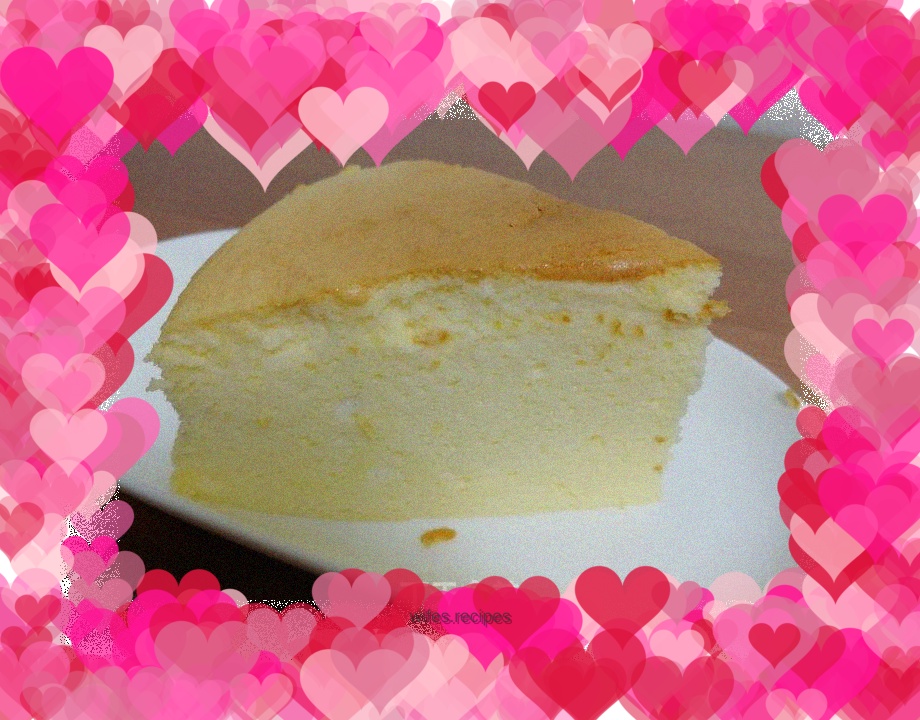
The inside is quite delicate, even when cut with a kitchen knife, the stubble is relatively broken.
