Garlic Mackerel
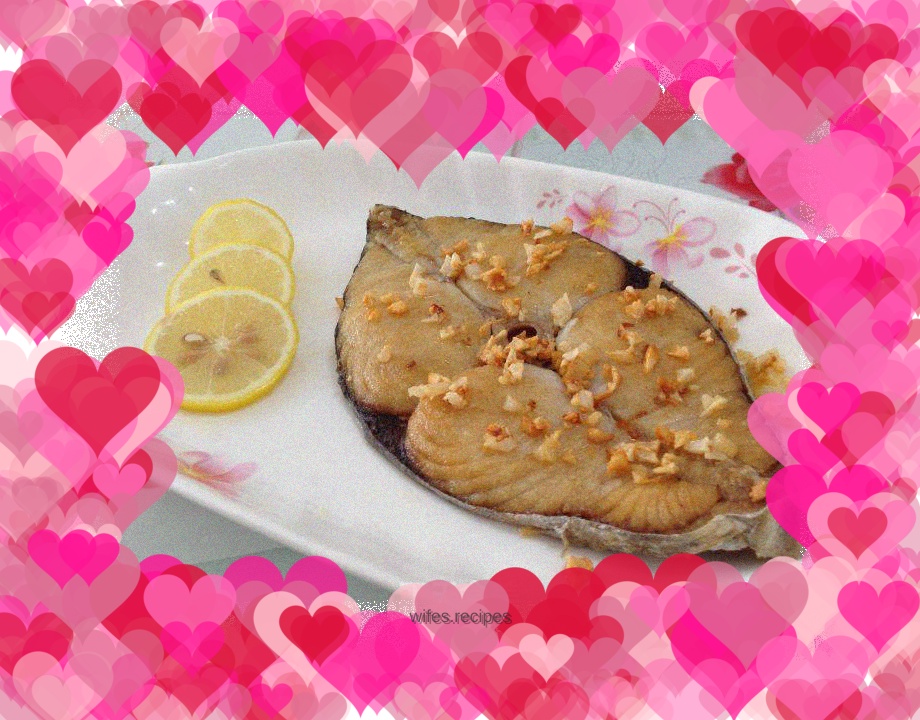
Overview
Mackerel has low cholesterol content and is rich in DHA, which improves human brain intelligence, and a large amount of protein, amino acids, and trace elements such as calcium, iron, and sodium. It also has therapeutic effects such as refreshing and anti-aging. Regular consumption has certain auxiliary effects on the treatment of anemia, premature aging, malnutrition, postpartum weakness, and neurasthenia. Mackerel has many thorns and few thorns, and is tender and delicious. It is praised by the people as partridge and deer in the mountains and Spanish Mackerel in the sea. There are many ways to eat it, it can be eaten fresh or pickled. When eaten fresh, it can be steamed, fried, or cut into fish fillets; if the fish is used to make porridge or boiled into soup, the color and taste are fresh, sweet, smooth and delicious, especially the Spanish mackerel dumpling soup. Mackerel is a warm-water migratory fish in offshore waters. The fish period is from April to June. Because it feeds on fish, shrimp and other aquatic animals, the Spanish Mackerel is plump and plump. It is a high-quality marine fish with high economic value. According to analysis, every 100 grams of fish contains 19.1 grams of protein, 2.5 grams of fat, and a variety of vitamins.
Tags
Ingredients
Steps
-
Brush both sides of the mackerel with salt and marinate for a while.

-
Chop the garlic into minced garlic

-
Add oil to the pan, add the mackerel and fry over medium heat.

-
When frying, let it set before flipping to the other side so it doesn't stick to the pan.

-
Fry until both sides are lightly browned. Add minced garlic and continue frying over low heat until minced garlic is lightly browned.

-
The fragrant mackerel, if you like lemon, you can squeeze some lemon juice, it is also delicious. Everyone’s taste.
