Recipes tagged "Allspice powder"
7 recipes found
-
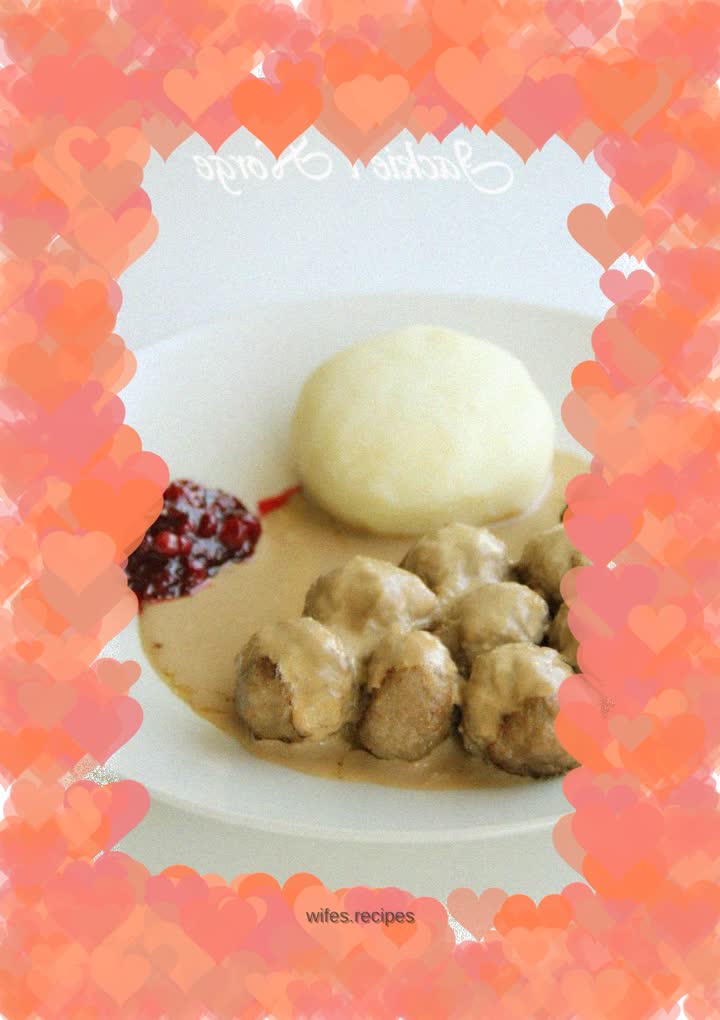
DIY IKEA Swedish Meatballs - 24 steps to explain the official IKEA Swedish Meatballs recipe
With the popularity of IKEA around the world, Swedish food has gradually become familiar to food lovers around the world. When it comes to delicacies from Sweden, the most famous one is probably Swedish meatballs. IKEA's Swedish meatballs are served with mashed potatoes (or boiled potatoes) and red plum sauce, and topped with a fragrant cream sauce, creating a unique delicacy. Today’s recipe is translated based on the official version of the recipe provided on the IKEA official website in Sweden.
Hot dishes Western food -
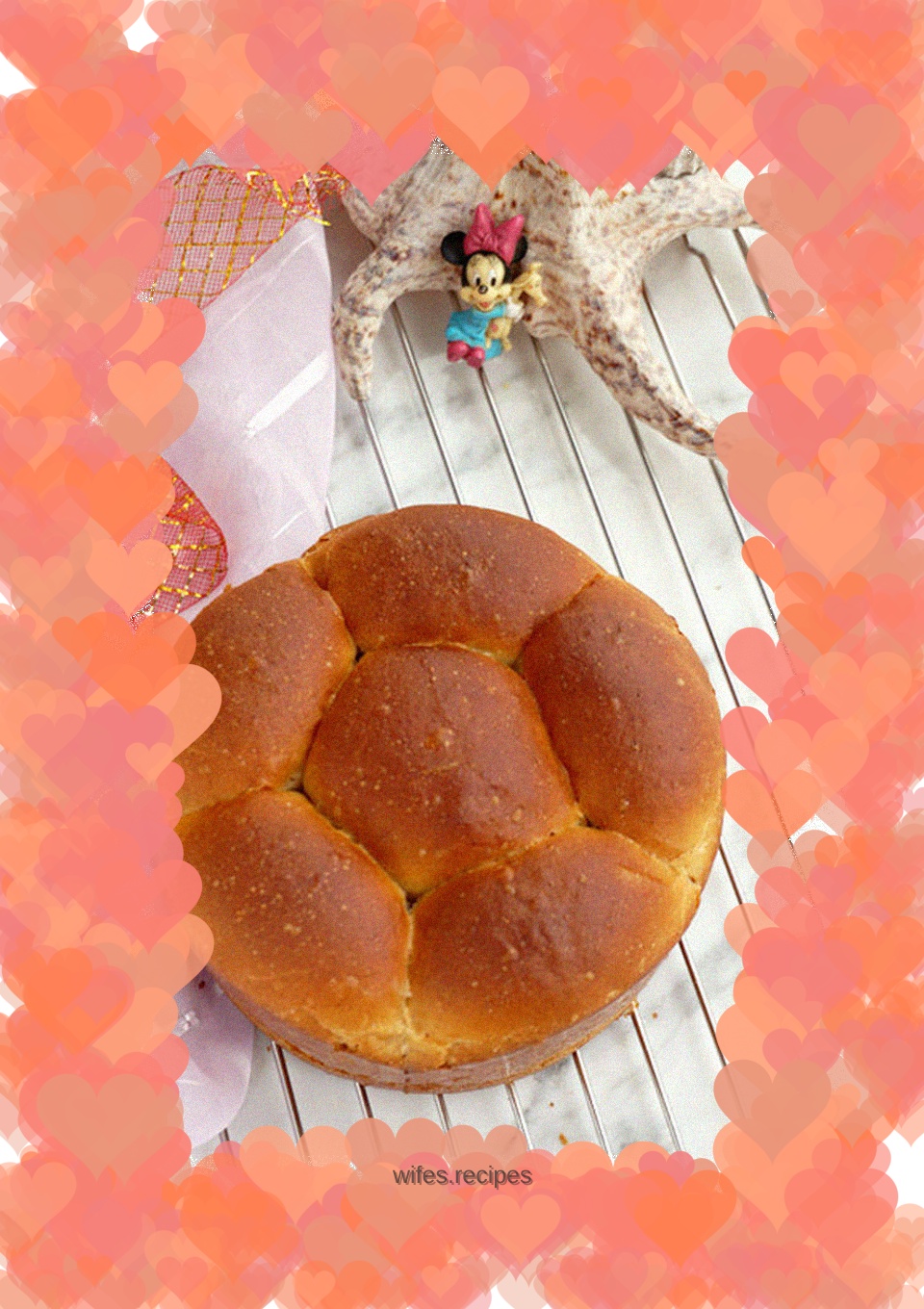
Naturally leavened Greek religious holiday bread
The Greek religious festival bread in "The Apprentice Baker" can use either a fermented starter or a Polish starter. When there was no natural yeast, Polish starter was naturally used. Now that I have a fermented starter, I can’t help but turn it out again and perform it again with a fermented starter. This festive bread is full of rich spices and fruity flavor. I have always liked it. When using Polish starter, I rolled it into a ball. Now I want to change the shape, but I can't think of any easy way. Finally, I had an idea and simply divided a few small balls and put them into the cake mold to let them grow into deep and thick flowers. It seems to work well too. . . . .
Baking Allspice powder -
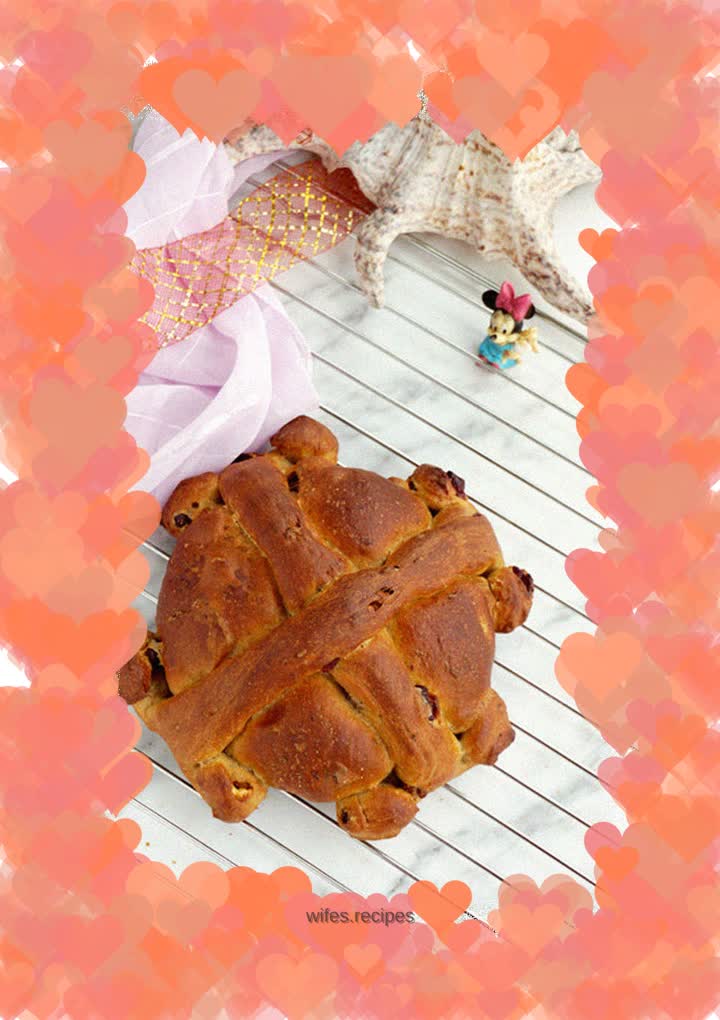
Natural yeast Christopher
One of the Greek religious holidays. I once made an artificial yeast version, and now I’m recreating it using natural yeast. At that time, there were no walnuts, so I had to use pumpkin seeds instead. Now that walnuts are available, I just want to make a complete version. According to the original recipe, divide the dough into three parts: 1/3 small dough + 2/3 large dough. When shaping, I felt that 1/3 of the small dough was a bit insufficient. It was a bit too thin when rolled into strips. When the two ends were separated and rolled up, it seemed a bit too thin. Make it again, make your own decision, divide it into 2/5 small dough + 3/5 large dough. The final shape looks quite satisfactory. There is no suspense. The bread exudes a strong aroma of spices, mixed with dried fruits and walnuts, and tastes particularly delicious.
Baking Breakfast -
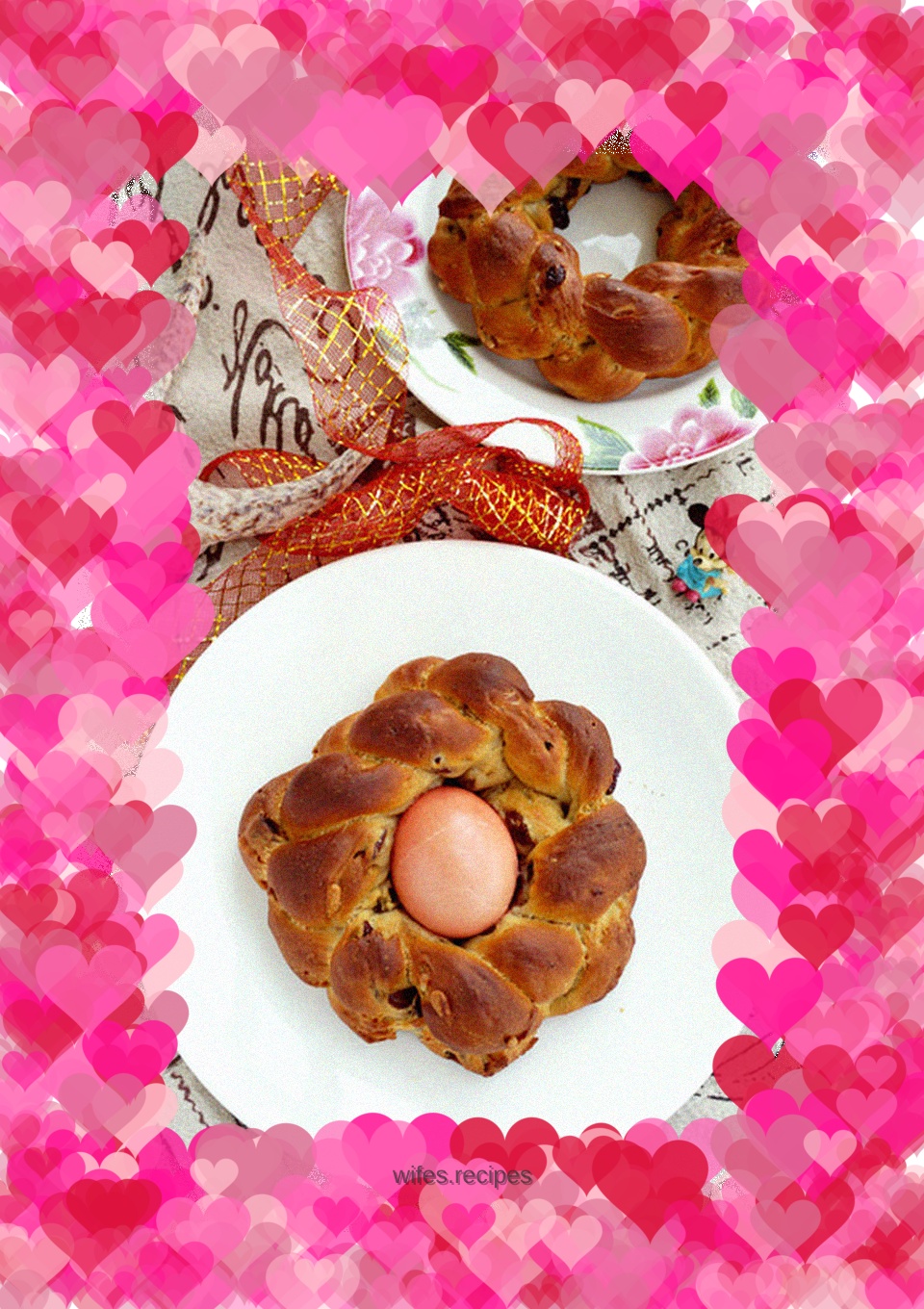
Naturally leavened Greek Easter bread
Only one brown egg was prepared. I originally wanted to make a braid circle, with the brown egg hooped in the center, like a embedded ruby. However, I changed my mind temporarily. If you don't mind it, braid two small braids and make two circles. In this way, only one circle has an egg, and the other one has to be empty, allowing it to be a ring. Or, the two rings should meet each other to form a figure 8, but there is still one egg missing. It doesn't matter whether you eat it yourself or not. I used natural yeast to make this Easter bread, and the effect seems to be just as good.
Baking Breakfast -
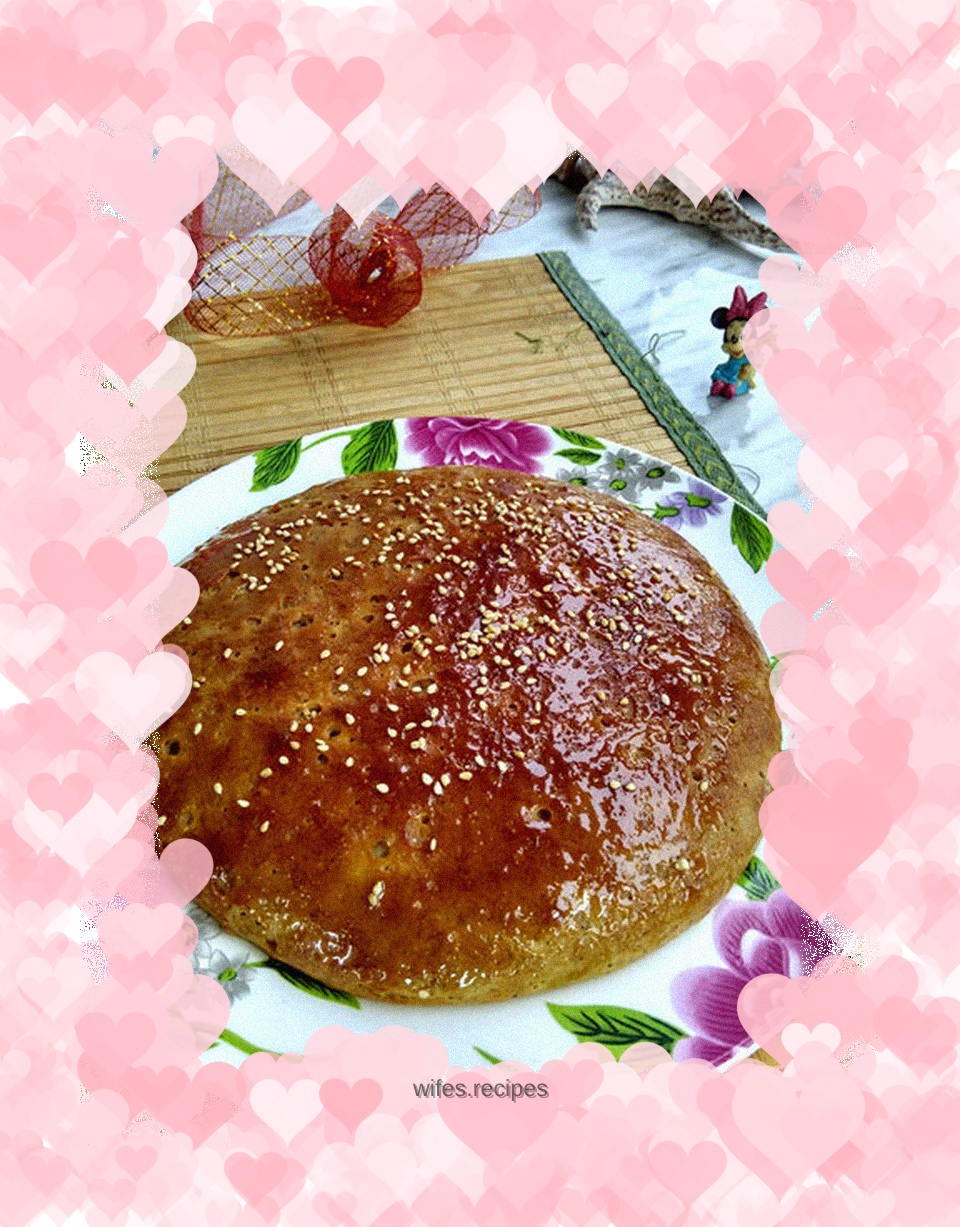
Athos: Greek religious holiday bread
Whenever you think of holidays and holiday breads, countless varieties and secret family recipes come up. If we break them down into their most basic components, we see that they are all variations on a theme, which is especially evident in the various Greek breads. Athos is the collective name for Greek holiday bread, but it has different names and twisted shapes on different holidays. This shape is what makes this bread so special and contains a sense of holiday spirit, history and family tradition. The master recipe below can be used to make any of the above breads. . . . If you don’t have starting yeast on hand, you can substitute an equal amount of Polish starter and the fermentation and proofing times remain the same. Obviously it can only be a Polish starter. The foaming starter has to be developed slowly. There is no such plan in the short term. The dough feels a little soft, maybe too much milk has been added? Because of the absorption rate of flour? The final bread did not become a round ball, but turned into a golden flatbread. Although I was depressed, I was deeply attracted by the smell of spices it exuded. It was rich, warm and warm. Is this the smell of the festival? Later I realized why it had to be brushed with syrup on the surface - the bread itself is not very sweet, and the holiday sweetness mainly comes from the syrup. Unfortunately, it was just a full layer, thinking that would be enough, so the flatbread didn't have much sweetness. There is leftover syrup, can I make it fresh when eating?
Baking children -
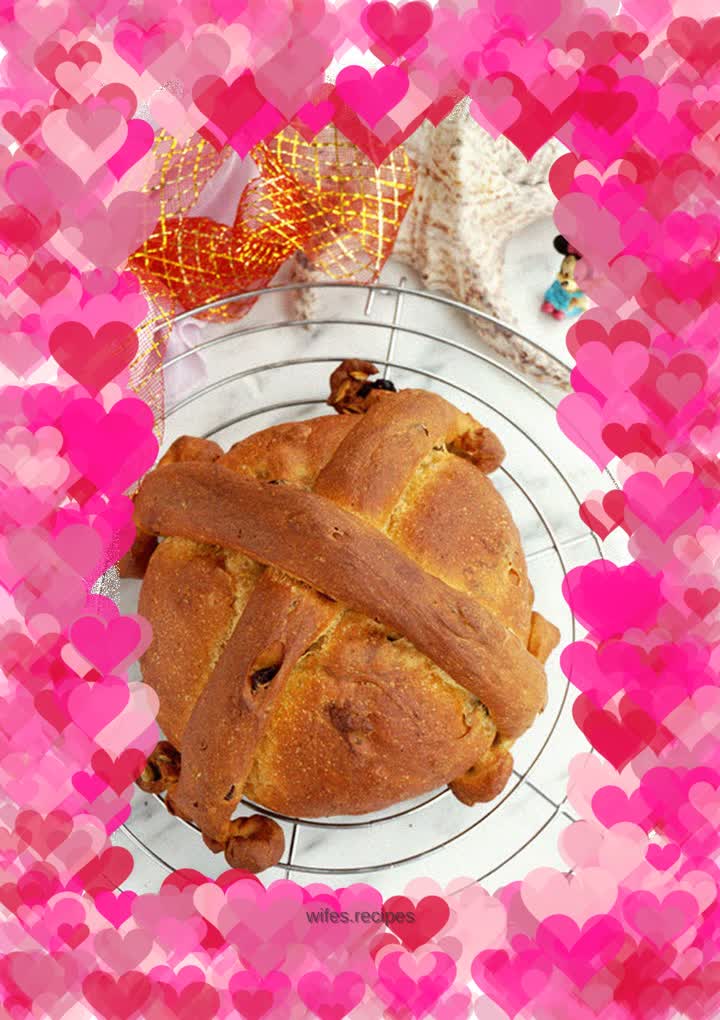
Christopher
The Baker's Apprentice has been cast aside for a long time. Finally went back and picked it up again. After flipping through it from beginning to end, I found that the bread on it had been made in various ways, and there really wasn't much left over. Everything starts from scratch. Christopher, looking at the name, it seems like it should be a holiday bread that belongs to Christmas. I have made bread with the same dough and another shape before. Christopher, it's just a different look. When preparing the dough, I discovered that the walnuts that were always in short supply were gone. And the starter is already waiting there. An idea came to me. I happened to have a little pumpkin seeds, so I used them to replace the walnuts. It doesn't hurt to change the taste. The styling is the key point, it’s not complicated, I really like it when I look at it. Two long strips overlap to form a cross on the surface of the bread, and curl to both sides at the ends, reminiscent of beards. I guess it wasn't glued too tightly, and the curly beard tilted to both sides after baking, so it didn't seem to matter. The point is, this color is my favorite. . . .
Baking Breakfast -
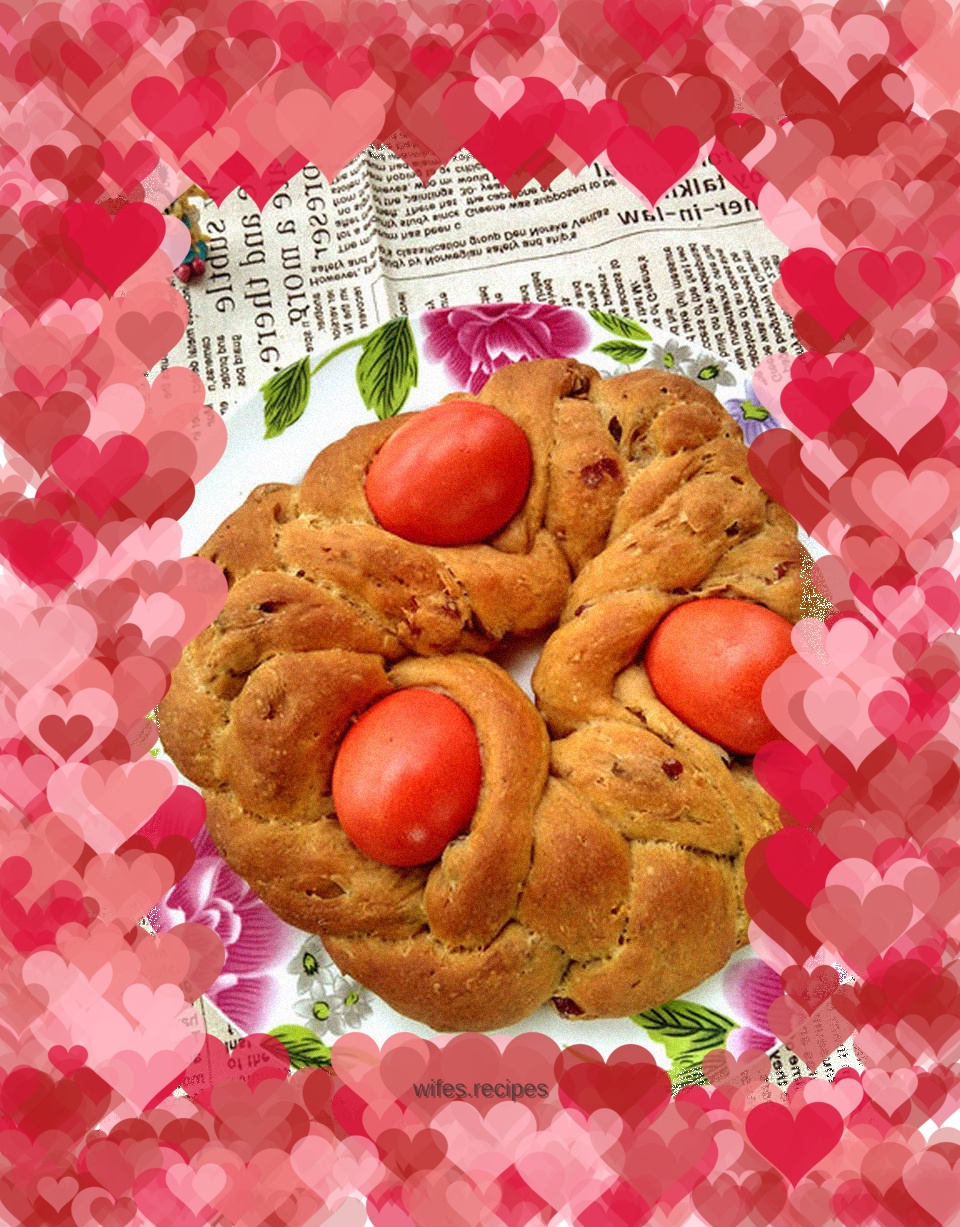
Greek Easter Bread
The dough of Greek religious holiday bread is added with nuts and dried fruits, braided and stuffed with red eggs to become Easter bread. I have heard about Easter eggs for a long time, but I have never done anything about them. The focus is not so much on the eggs, but on the dyeing. How did you get that color? I was confused at first. I looked around on the Internet and found that using pigments, they are colorful and colorful. However, I have always been wary of pigments. "The Apprentice Baker" is only dyed red, but what exactly is used to dye it red? In fact, many places in China also have the custom of giving red eggs. It seems to be for giving birth or something else? How did you get the skin on that red egg? I quickly found a solution - put the red yeast rice powder into the water and boil it with the eggs. It will definitely get a little color. As for how red it can be dyed, we can only wait and see. Facts have proved that this idea is very correct, and the dyeing effect is far better than imagined. . . Regarding the shaping of bread, "The Apprentice Baker" explains it very simply. Before shaping the bread into a ball, divide the dough into 3 equal parts and use the three-strand braid method shown on page 88. Finally, stuff the eggs into the gaps in the middle of the braid. I looked at a few methods online, and they all twisted it into two strands. Although I felt that stuffing the eggs into the gaps between the two strands of twist would look more even than a three-strand braid, I still followed the original and made a three-strand braid. I was worried that the braid would not be easy to loop if it was short, so I rolled the dough as long as possible, but in the end, it was too long. The braid looked very thin, and the egg could not sink deeply into it, so he had to stick out more than half of his body. This effect. . . . I can only make do with it. The dough was ugly and the eggs were amazing. . . .
Baking old man