Recipes tagged "Wolfberry buds"
6 recipes found
-

Variety of Noodles: Color-changing Buns (1 serving)
Steamed buns that will change color as soon as you make them: steamed buns filled with pitaya skin, oil residue, wolfberry sprouts and vermicelli. Use a spoon to scrape off the pulp from the dragon fruit skin, add water and beat, add some lard, sugar and dough, let it rest for about ten minutes. Boil the fat meat cubes in oil and stir-fry the onions and ginger. Add the wolfberry sprouts, seasonings, salt, dark soy sauce, etc., stir-fry and season. Set aside. Divide the dough into portions, roll it out, stuff it and steam it. When I get off work late, I use first-generation steamed buns. As long as you learn to identify the dough and dough and the proofing state, you can make perfect fermented pasta regardless of whether it is weighed or not, whether it is the first or second batch. So I always look at the situation and use it flexibly according to the time.
Staple food Home cooking -
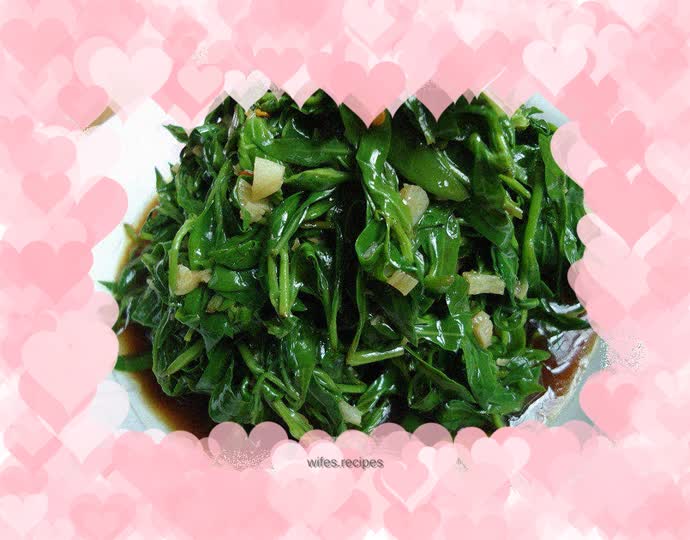
Cold wolfberry sprouts
When spring comes in the northwest, the mountains are covered with wild wolfberry trees. They are very luxuriant in clusters. The wolfberry has strong cold and drought tolerance and is very adaptable in the northwest region. Its fruit, wolfberry, is a traditional Chinese medicine that clears the liver and improves eyesight. Regular consumption has the effect of prolonging life. When the wolfberry buds are growing vigorously, I picked some and brought them back for cooking~~~
Cold dishes Chili oil -

Scrambled eggs with wolfberry sprouts
When it comes to wolfberry buds, some friends may not know it, but when it comes to the red wolfberry soaked in a thermos cup, everyone should be familiar with it. In fact, wolfberry buds are the buds of red wolfberry trees in spring. The wolfberry tree is a perennial shrub that buds in spring and bears wolfberries in autumn. China has been eating wolfberry sprouts since ancient times and has always been eaten as a seasonal wild vegetable in spring. "Summary of Food and Clothing of Nongsang" records that the young shoots and leaves can be used as vegetables. It is also recorded in "Eight Notes of Zunsheng" that if the young leaves and shoots of wolfberry are eaten as above, they can be used to cook porridge even better. The only four seasons are winter food. Lycium barbarum buds are also called beetroots because they have a slightly bitter aroma at first and a sweet aftertaste after chewing them carefully. Traditional Chinese medicine believes that wolfberry buds have the effect of clearing away heat and improving eyesight. The most common way to eat wolfberry sprouts is to blanch them and serve them cold. They can also be stir-fried, made into soup, or dried and made into tea. The most famous way to eat it is to stir-fry wolfberry sprouts with oil and salt. The fried wolfberry sprouts are green, tender and crispy in the mouth, and very delicious. In "A Dream of Red Mansions", Tanchun and Baochai would rather spend 500 yuan to eat a dish of fried wolfberry sprouts with oil and salt. Today, I added eggs and wolfberry to this dish, which is more nutritious.
Hot dishes Home cooking -
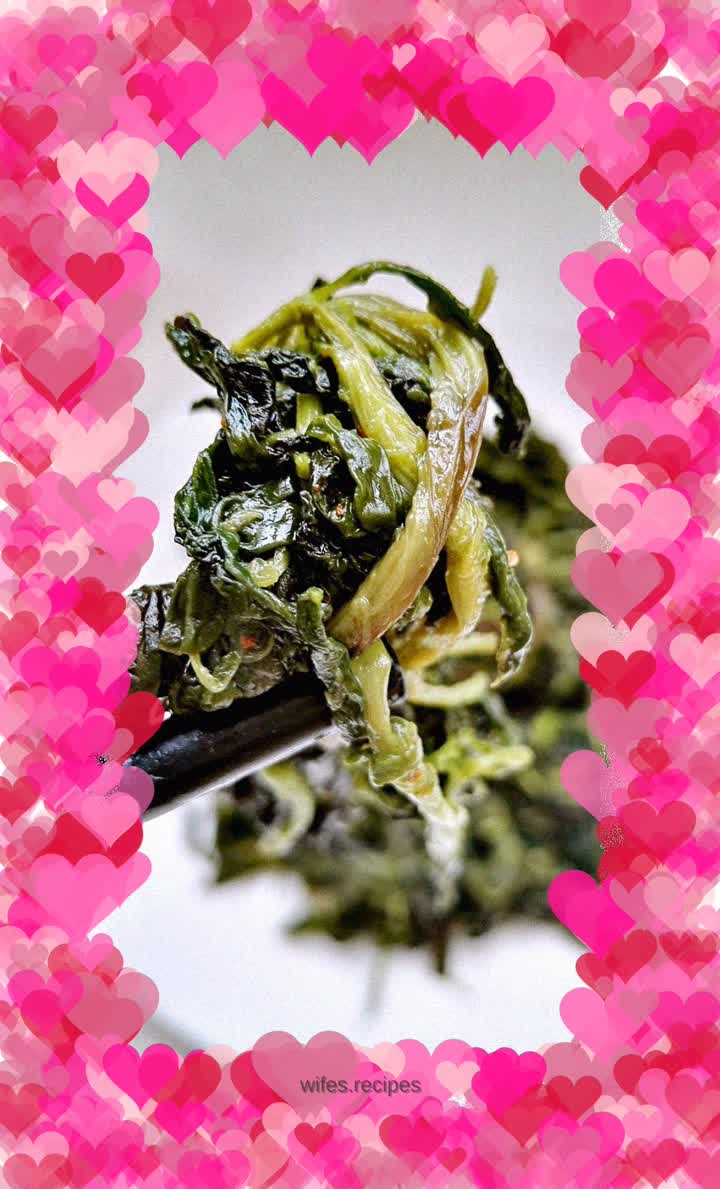
Stir-fried wolfberry sprouts
In spring, my mother picked a lot of wolfberry buds, blanched them, packed them in bags, and froze them for storage. You can continue to enjoy the delicacy of spring in other seasons! Take out the wolfberry sprouts and stir-fry them with onion, ginger, and chili powder. This is another quick and delicious dish that the family loves!
Hot dishes Home cooking -

Garlic wolfberry sprouts
The ancient medical work "Compendium of Materia Medica" calls wolfberry buds Tianjingcao, which has a bitter, sweet and cool nature and enters the four meridians of the heart, lungs, spleen and kidneys. "Dietotherapeutic Materia Medica" believes that it strengthens muscles and resists aging, removes wind, replenishes muscles and bones, and relieves fatigue. "Rihuazi Materia Medica" believes that it removes troubles and improves intelligence, replenishes five kinds of fatigue and seven injuries, strengthens the heart, removes wind between skin and bones, eliminates heat and toxins, and disperses sores and swelling. "Herbal Medicine Nature Preparation" believes that it can improve eyesight, benefit kidney deficiency, soothe miscarriage, reduce fever, and treat metrorrhagia and bleeding in women. "Treatise on Medical Properties" comments that it can replenish various deficiencies in essence, whiten the color, improve eyesight, and soothe the mind. It can be made into a soup with mutton, which is beneficial to people, can even remove wind and improve eyesight. If you are thirsty, you can boil it and drink it instead of tea. For fever, detoxification and trouble caused by stewing, boil the juice alone to resolve it. It can eliminate heat and facial toxins. It is mainly caused by eye diseases, redness, dullness and pain. Take the leaves and pound the juice into the eyes.
Hot dishes Home cooking -

Wolfberry Sprouts and Pork Liver Soup
Wolfberry buds, also called wolfberry heads, are the young shoots and leaves that grow from wolfberry in early spring. After picking the wolfberry buds, the old stems below will continue to sprout new buds. The light green buds are the freshest, and become older when they turn to dark green. Wolfberry buds have been eaten since ancient times. They taste slightly bitter at first, then slightly sweet, which is the taste of spring. Eating wolfberry heads in spring can clear fire. Chapter 61 of "Dream of Red Mansions": After Jia Tanchun and Xue Baochai got tired of eating delicacies from the mountains and seas, they decided to have fried wolfberry sprouts with oil and salt for a change. The "Complete Book of Agriculture" written by Xu Guangqi of the Ming Dynasty records: The heads of wolfberry grow on high hills, and they are actually used as medicinal bait. They came out of Ganzhou. For two years, there was no harvest in Huainan. They were harvested in the spring and in the summer, and they were harvested in the autumn. They were treasured by the hungry and full. To save people from hunger, the villagers call it beetroot. Lu Mingshan, an agriculturist of the Yuan Dynasty, recorded in "Summary of Farming and Mulberry Clothing and Food" that the young sprouts and leaves in spring can be used as vegetables. It can be seen that the dish of stir-fried wolfberry sprouts with oil and salt was not invented by Cao Gong. It is indeed a real dish in daily life and has been passed down for hundreds of years. The most common way to eat wolfberry sprouts is to stir-fry them with oil and salt. They can also be stir-fried with eggs or lean meat, or blanched in boiling water and eaten cold with minced garlic, sesame oil, light soy sauce and vinegar. In addition, wolfberry sprouts are also delicious when made into soup. Pick a handful of fresh wolfberry sprouts, add a few thin slices of liver, and add a few wolfberry seeds to turn a pot of boiling water into a delicious and nutritious soup. Wolfberry buds are soaked in the breath of spring, with a light bitterness and a slight sweetness in the mouth. It not only produces fluid and quenches thirst, but also improves eyesight and reduces internal heat.
Soups Home cooking