Breakfast bean buns
Overview
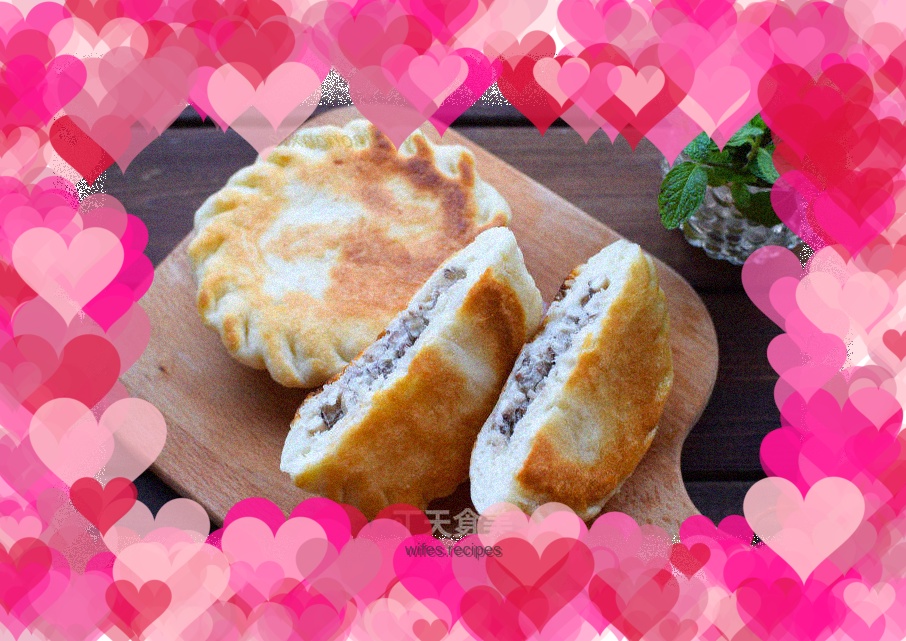
The most commonly used beans for steamed bean buns are white cowpeas. Due to the different colors of beans, there are also red cowpeas and flowered cowpeas. Because white cowpeas don't have much color, the color doesn't look very beautiful when the beans are cooked for filling, but this does not affect its deliciousness at all. Today we made two staple foods using white cowpea filling. Because they are both extended from bean buns, I call them bean bun cakes and bean bun rolls. I originally wanted to call them cowpea cakes and cowpea rolls, but there may be a misunderstanding, because in many places, the long green vegetables we call beans are called cowpeas. I'll just call today's food bean bun pancakes and bean bun rolls. Bean rolls are posted separately.
Tags
Ingredients
Steps
-
Method 1 for making white cowpea filling: add 200 grams of white cowpea to 700 grams of water, and cook it directly in a pressure cooker. A traditional pressure cooker takes about 15 minutes. After it is out of the pot, pour it into a colander to drain the soup, and add sugar directly. Method 2: Soak the white cowpeas in an appropriate amount of water for a day, soak the beans thoroughly, and cook the beans in an ordinary pot. In addition to the soaking time, cooking takes about 25 to 30 minutes. The advantage of an ordinary pot is that you can control the degree of doneness you want. Soft but not rotten bean paste is the best. The same method can be used to make red bean filling, kidney bean filling, mung bean filling and lotus seed filling. It is not limited to white cowpea filling.

-
Pour the yeast in the dough ingredients into water to dissolve, then pour it into the flour, knead it into a smooth dough, and find a warm place for the dough to ferment. The dough in the picture is the dough after fermentation overnight. The room temperature is now about 20 degrees. Knead the dough before going to bed at night, cover it and leave it naturally. This is how it will look when you wake up in the morning. It may seem a bit overdone, but it actually does not affect its use. The dough will not become sour when fermented by dry yeast. If the fermentation flavor is strict, this kind of dough will definitely not be as good as properly fermented dough. Workers don't have much free time every day, so they have to settle for the next best thing.

-
The dough that has risen is full of bubbles inside and smells of a special fermentation aroma. Place it directly on the kneading mat and let it deflate before proceeding to the next step.

-
Roll the dough into a long strip and divide it into medium-sized dough balls. Work in groups of two and press into flatbreads.

-
Put bean filling on one of the pancakes. You can adjust the amount of filling according to your preference. More filling will make you feel more comfortable.

-
Cover with another sheet of dough and pinch the sides tightly. Using warm bean paste can help the pancakes ferment faster, which is also a little trick. It will look better if you pinch it into a lace. Using this method of combining two cakes into one to make a pie, the thickness of the crust will be even and it is easier to close the mouth. The thickness of the crust depends on your preference. If the dough is too thin, it will not taste good, but if it is too thick, it will appear that there is too little filling. Just moderate it.

-
Preheat the pan, pour a little oil, or dry baking is okay, put the pancakes on it, and keep it heated on low heat.

-
The "small fire" used here is to turn the control switch of the stove to the minimum, and the flame will be concentrated and small. Because it is cooked raw, it can be fried over low heat without being burnt. I usually divide the firepower of the stove into four types. One is high fire, the maximum fire of the stove, which is suitable for quick stir-frying, steaming and deep-frying small pieces of food. The second is medium heat, which is smaller than high heat and larger than low heat. It is suitable for making thick soups, frying large pieces of food, etc. The third is medium and small fire, also called scattered small fire, which is slightly larger than small fire and smaller than medium fire. It is suitable for stewing, sauteing, frying fish, frying tofu, or evenly coloring fried foods, etc. The fourth is low fire, also called centralized low fire, which is the one in the picture, which is the minimum fire that the stove controller can adjust. It is suitable for long-term stewing, clear soup, slow-frying food, etc. For today’s pancake, we will use the minimum heat first, and then switch between medium-low and low heat according to the doneness and coloring of the pancake. In addition to directly controlling the firepower with the stove switch, you can also add a heat conductor plate to make the pot heat more evenly.

-
When frying larger yeast pancakes, keep the fire low and cover the pot to create a baking-like space in the pot, which is more conducive to frying the pancakes thoroughly. Cover the pot and fry over low heat for about seven or eight minutes.

-
Then flip over, cover the pot and keep the heat on low. This side will take slightly less time. Finally, fry the pancake until both sides are browned and can spring back easily when pressed, then it is ready to be taken out of the pan.

-
If you feel that it is difficult to control the heat when frying raw, you can steam the prepared bean bun pancakes, then fry them until fragrant. Use the method of steaming first and then frying to make bean bun pancakes. It can be made in batches and is very convenient.
