Boil lard
Overview
Boiling lard is a cooking skill that I have watched my family do since I was a child. I have always burned honeycomb briquettes at home when I was a child. Every time I boiled lard, I would use a large iron pot to boil two full pots. The aroma of oil residue filled the house... When eating noodles, pick up a little with chopsticks. The noodles are especially fragrant. Today’s life is diversified, and there are many types of oils. Lard has pros and cons. It depends on your family’s choice. Keep a small amount, which can be used in cooking or Chinese snacks.
Tags
Ingredients
Steps
-
Buy fresh suet (the suet must be fresh, so that the cooked oil will be fragrant. When choosing, it is best to choose thick ones because the oil yield is high)

-
Rinse clean (check to see if there are any pig hair or bone residue on it)

-
Cut the knife into small particles (this will not only help the oil come out, but the oil residue will also be convenient for cooking later)

-
Put it in the pot and turn on low heat

-
Put in half a bowl of cold boiled water (depending on the amount of suet, mine is about two and a half pounds of suet)

-
Add a few Sichuan peppercorns (to remove the piggy smell of suet and add flavor)

-
Have a clean container ready

-
Put a filter in case the oil comes out, so that the filtered oil will be clean and free of oil residue

-
Keep the fire on low throughout, turning the suet

-
Keep stirring until the suet starts to release water vapor

-
There will still be no oil left, so keep the fire low and continue to stir

-
There is more and more water vapor, keep turning the suet and be careful of splashing

-
Start pressing the suet continuously, turning the suet while pressing, to evaporate the water vapor, and gradually oil will come out. The color will also change from the original muddy color to clear. This is when oil begins to come out

-
Look, at this time, the color of the suet has begun to become transparent, the water vapor has completely disappeared, and the oil is gradually coming out

-
Take a spoonful and look at it. It is quite transparent and fragrant. Now you can put it into a container

-
Use a spoon to scoop little by little into the strainer and filter out the oil residue

-
I used a shovel, a spoon, and a colander. Flip the spatula, put the colander under it, and use a spoon to scoop out the oil that emerges and put it into a container.

-
The oil scooped out in this way only has a little residue, which is convenient for putting into a container

-
In this way, filter out the lard

-
Pour the little oil residue in the filter back into the pot and continue cooking

-
Keep the suet simmering over low heat throughout the process to continue producing oil

-
Keep stirring, be careful of oil collapse

-
This is filtered lard

-
Press the spatula to continue to release oil

-
Wait until the oil is gone and only the oil residue remains

-
Boiled lard

-
The remaining oil residue

-
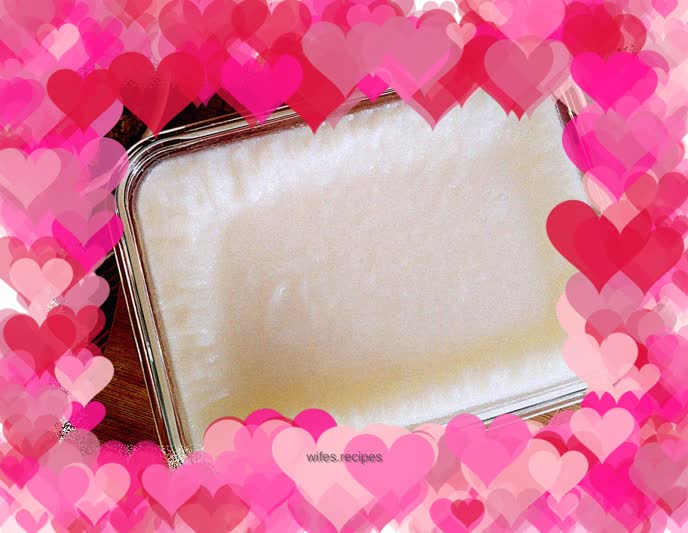
After cooling, or refrigerating overnight, the lard will turn white and very fragrant

-
Snow white, fragrant
