How to make winter melon, corn and pork ribs soup
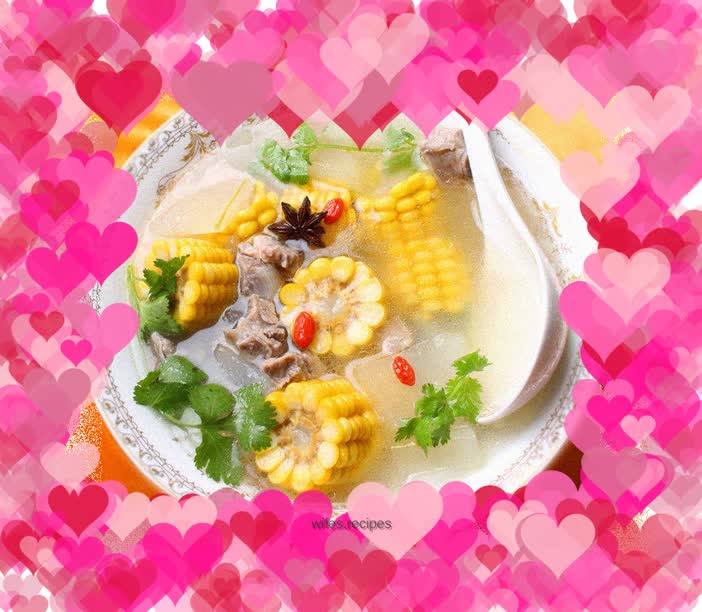
Overview
Corn: According to research, every 100 grams of corn contains 106 kcal of calories, 2.9 grams of fiber, 4.0 grams of protein, 1.2 grams of fat, 22.8 grams of carbohydrates, and also contains mineral elements and vitamins. Professor Lachmann, a famous German nutritionist, pointed out that among the more than 50 most effective nutritional and health care substances proven today, corn contains 7 - calcium, glutathione, vitamins, magnesium, selenium, vitamin E and fatty acids. It has been determined that every 100 grams of corn can provide nearly 300 mg of calcium, which is almost the same as the calcium contained in dairy products. Rich in calcium, it can lower blood pressure. If you take in 1 gram of calcium every day, your blood pressure can be reduced by 9% after 6 weeks. Mesoamerican Indians are less susceptible to high blood pressure due to their main consumption of corn. In addition, the carotene contained in corn can be converted into vitamin A after being absorbed by the body, which has anti-cancer effects; plant cellulose can accelerate the excretion of carcinogens and other poisons; natural vitamin E can promote cell division, delay aging, lower serum cholesterol, prevent skin lesions, and can also reduce arteriosclerosis and brain function decline. Researchers pointed out that the progesterone and zeaxanthin contained in corn can fight eye aging. In addition, eating more corn can also inhibit the side effects of anti-cancer drugs on the human body, stimulate brain cells, and enhance people's brain power and memory. The nutrients contained in the corn embryo tip can enhance human metabolism and adjust nervous system function. It can make the skin tender and smooth, inhibit and delay the occurrence of wrinkles. Corn has the effects of regulating appetite, lowering blood lipids and lowering serum cholesterol. The puffed popcorn is very large in size and can eliminate the hunger of obese people after eating. However, it contains very low calories after eating. It is also one of the substitutes for weight loss.
Tags
Ingredients
Steps
-
Chop the ribs into chunks, cut the corn into small pieces, cut the winter melon into 5mm-10mm thick slices, and slice the ginger

-
Chop the ribs into chunks, cut the corn into small pieces, cut the winter melon into 5mm-10mm thick slices, and slice the ginger

-
Chop the ribs into chunks, cut the corn into small pieces, cut the winter melon into 5mm-10mm thick slices, and slice the ginger

-
Continue to put cold water in the pot, put the chopped ribs into the pot, boil the water, and remove the foam in the pot (just boil, control the time)! Remove the ribs and set aside.

-
Continue to put cold water in the pot, put the chopped ribs into the pot, boil the water, and remove the foam in the pot (just boil, control the time)! Remove the ribs and set aside.

-
Continue to put cold water in the pot, put the chopped ribs into the pot, boil the water, and remove the foam in the pot (just boil, control the time)! Remove the ribs and set aside.

-
Pour cold water back into the pot, bring to a boil, and add pork ribs, corn, winter melon, ginger slices, and wolfberry in sequence. If you want the pork ribs soup to be fresher, you can add two drops of vinegar to the water

-
Pour cold water back into the pot, bring to a boil, and add pork ribs, corn, winter melon, ginger slices, and wolfberry in order. If you want the pork ribs soup to be fresher, you can add two drops of vinegar to the water

-
Add a little salt appropriately.

-
Add a little cooking oil.

-
Turn off the heat, move the inner pot to the outer pot and continue cooking for half an hour.

-
Turn off the heat, move the inner pot from the heat to the outer pot and continue cooking for half an hour.

-
After the fire comes to a boil, put it in the outer pot and wait for 30 minutes. My daughter likes my pork rib soup the most.

-
The soup produced by simmering the pot off the heat will have a stronger aroma than that of traditional pot stewing.
