Recipes tagged "Xiaoshu"
15 recipes found
-
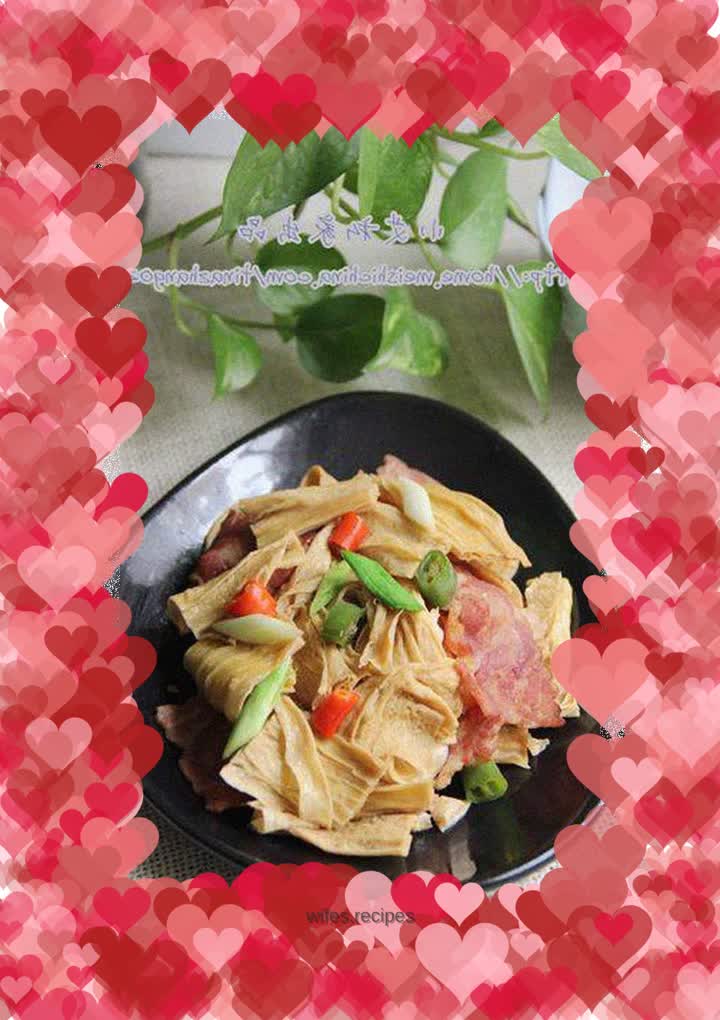
Spicy fried bean curd
Youdou skin is a soybean product made by grinding and cooking soybeans and then condensing and drying them. It is made by picking the skin from the pot, straightening it, sticking the skin from the middle, forming a double-layer semicircle, and drying it. The skin is thin and transparent, semicircular but not broken, yellow and shiny, soft and non-sticky, with a smooth surface, milky white and slightly yellowish bright color, and unique flavor. It is a nutritious food with high protein, low fat and no cholesterol. The fried bean skin can be eaten dry or boiled. It is crispy and delicious when eaten dry, but tender and fragrant when boiled, leaving an endless aftertaste.
Hot dishes Home cooking -
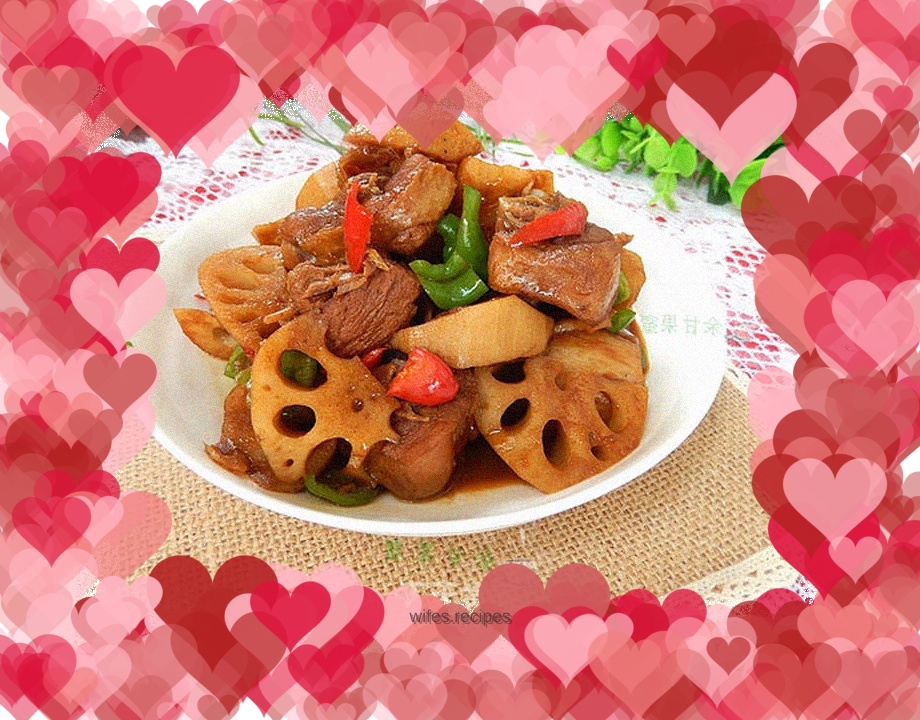
Roasted duck cubes with lotus root
Lotus root contains a large amount of starch, protein, vitamin B, vitamin C, fat, carbohydrates, calcium, phosphorus, iron and other minerals. The meat is plump and tender, white and round, and has a sweet and crisp taste. When eaten raw, it is comparable to pears. Traditional Chinese medicine believes that raw lotus root can cool blood and disperse blood stasis, while cooked lotus root can nourish the heart and kidneys. It has the effect of nourishing yin and nourishing blood. It can replenish the deficiency of the five internal organs, strengthen muscles and bones, and nourish blood. Lotus root can be called a health food for men, women, old and young in summer and autumn. Duck is an excellent delicacy on the dining table, and is also an excellent food for people to supplement. The meat is sweet and cold in taste, and enters the lung, stomach and kidney meridian. It has the functions of nourishing, nourishing the stomach, tonifying the kidney, removing tuberculosis and bone steaming, eliminating edema, relieving heat and dysentery, relieving cough and reducing phlegm, etc. People with heat in the body are suitable to eat duck meat. It is more useful for people with weak constitution, loss of appetite, fever, dry stool and edema.
Hot dishes Home cooking -
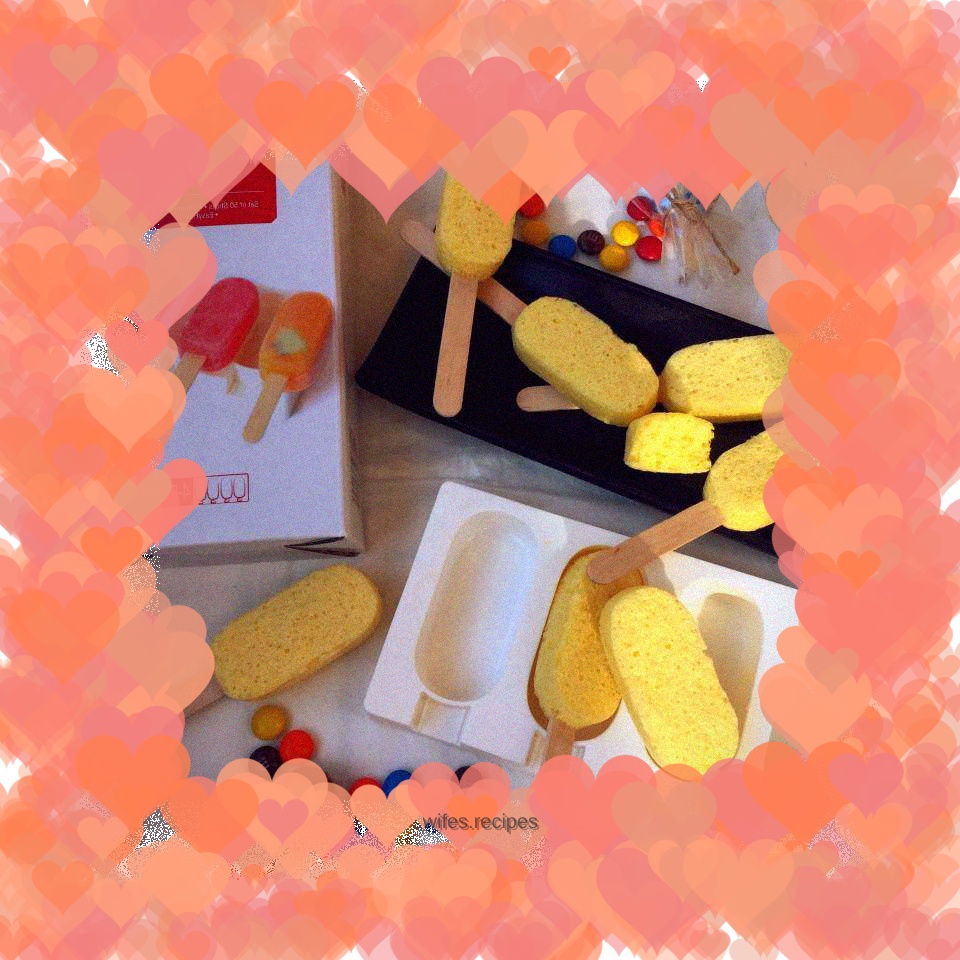
Oil-free and low-sugar steamed rice ice cream
I really like this mold from CuisinAi. The food I make looks great and it’s super easy to remove from the mold! This rice ice cream is a healthy snack that is low in sugar and does not require a drop of oil.
Dessert children -
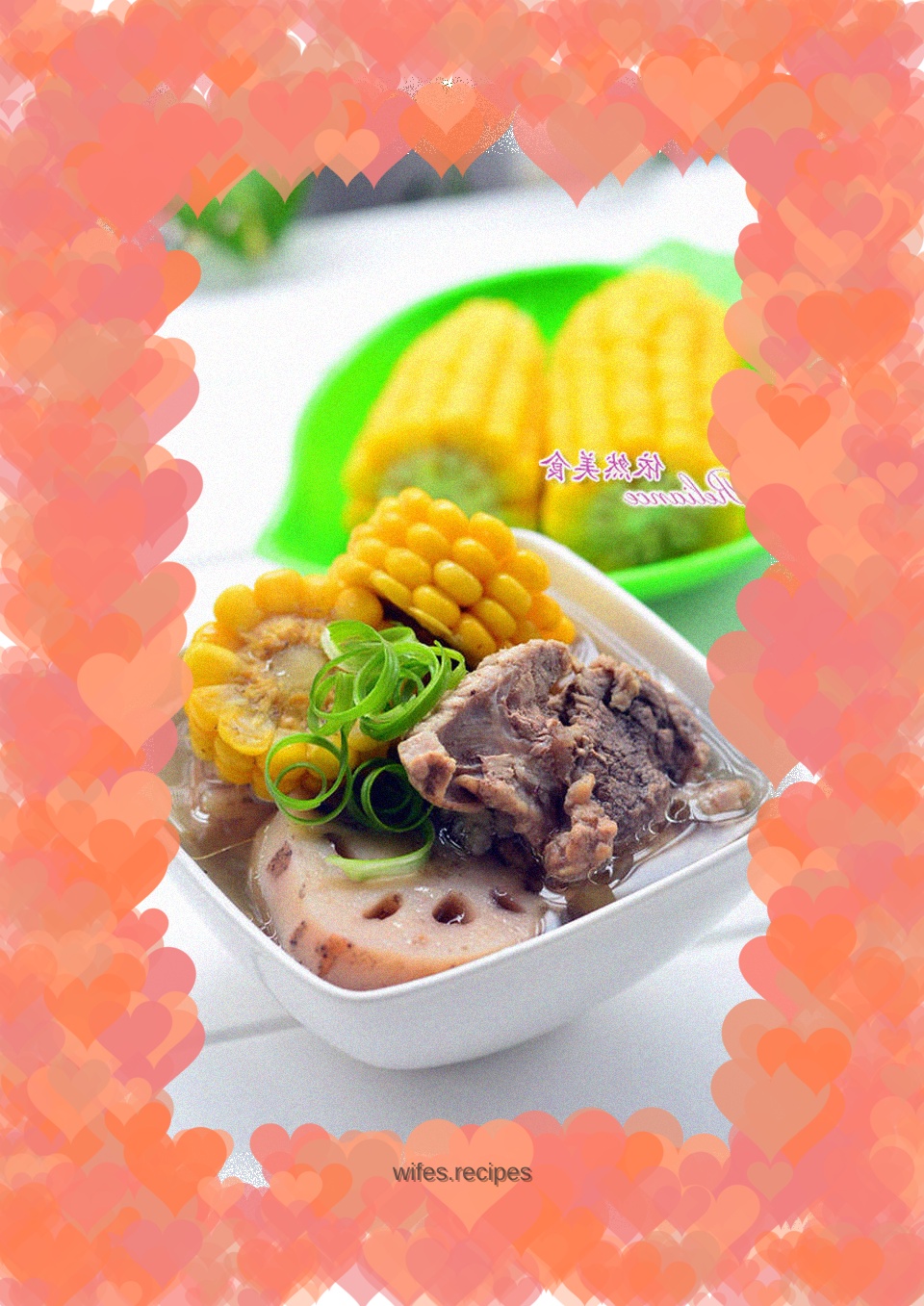
Anti-dryness soup in autumn----Big Bone Lotus Root and Corn Soup
Lotus root clears away heat and cools blood: lotus root is cold in nature, has the effect of clearing away heat and cooling blood, and can be used to treat febrile diseases. Lotus root is sweet and liquid, and is especially beneficial for those with thirst, epistaxis, hemoptysis, and bleeding due to fever. 2. Laxative and antidiarrheal, invigorating the spleen and appetizing: Lotus root contains mucus protein and dietary fiber, which can combine with cholates in the human body, cholesterol and triglycerides in food, so that they can be excreted from the feces, thereby reducing the absorption of lipids. Lotus root exudes a unique fragrance and also contains tannins, which can strengthen the spleen and stop diarrhea. It can increase appetite, promote digestion, appetize and strengthen the body, and is beneficial to the recovery of health for those with poor appetite and loss of appetite. 3. Benefit blood and promote muscle growth: Lotus root has high nutritional value and is rich in iron, calcium and other trace elements. It is also rich in plant protein, vitamins and starch. It has obvious effects on replenishing qi and blood and enhancing human immunity. Therefore, Chinese medicine says: it is mainly used to nourish the heart and nourish the mind, and to replenish qi and strength. 4. Stop bleeding and disperse blood stasis: Lotus root contains a large amount of tannic acid, which has the effect of constricting blood vessels and can be used to stop bleeding. Lotus root can also cool the blood and disperse blood. Traditional Chinese medicine believes that it can stop bleeding without leaving blood stasis, and is a good food therapy for febrile disease. Lotus root is a low-fat food with high nutritional value. It can be eaten raw, steamed, fried, or stewed. Lotus roots should be chosen with white skin, thick and short lotus joints, and preferably with a delicate fragrance. The first segment at the top of the lotus root is called the lotus head, which has the best taste and is suitable for eating raw. It has high vitamin content and low fiber content. Eating raw lotus root has a refreshing and moisturizing effect, which is especially suitable for those who have a hot body or suffer from acne. The second and third sections of the lotus root are older and are best used for stewing. The remaining sections are too thick and are only suitable for soup. Boiled lotus root is rich in iron, and people with frail anemia can eat more. Many people will scrape off the lotus root skin, but this is actually very wasteful. Lotus root skin is rich in cellulose. If it is not moldy, rotten or black, there is no need to throw it away. Lotus root turns black when heated because it is rich in reducing substances such as vitamin C and iron, which oxidizes when heated and becomes darker. When stewing lotus roots for a long time, it is best to use ceramic or stainless steel utensils. Avoid using iron or aluminum pots, and try not to use iron knives to cut lotus roots to reduce oxidation. Lotus root is rich in vitamin C and crude fiber, which not only helps digestion and prevents constipation, but also supplies carbohydrates and trace elements needed by the human body, prevents arteriosclerosis, improves blood circulation, and is beneficial to physical health. It is generally recommended to eat lotus root three times a week, with the best effect at dinner. Make soup with lotus root and pork ribs, which can improve sleep quality. Lotus root can strengthen the spleen and stomach. Pregnant women eating lotus root can remove congestion accumulated in the abdomen and promote milk secretion. Lotus root soup has a cough-relieving effect. Drinking the juice squeezed from the skinned lotus root directly can treat severe coughs. However, patients with poor digestive function of the spleen and stomach and gastric and duodenal ulcers should not eat lotus root. People with loose stools should not eat raw food.
Soups Common dishes -
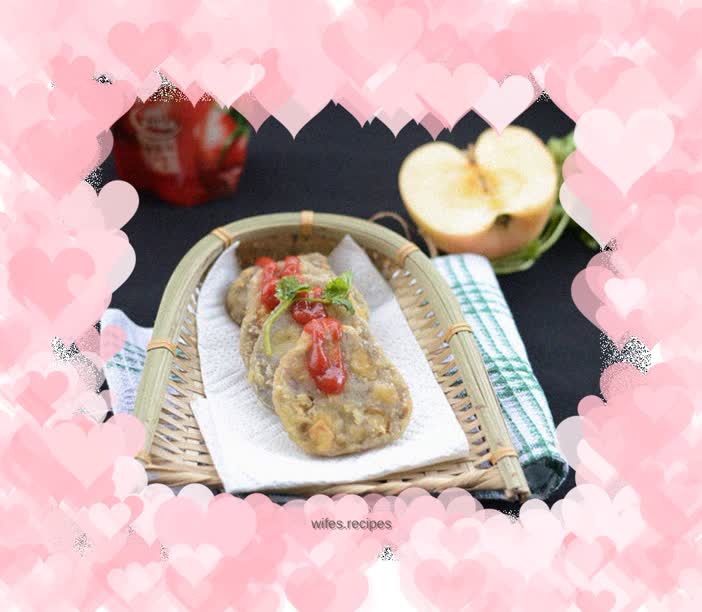
Summer Lotus Root Crazy---Fruit and Vegetable Lotus Root Slices
Lotus root clears away heat and cools blood: lotus root is cold in nature, has the effect of clearing away heat and cooling blood, and can be used to treat febrile diseases. Lotus root is sweet and liquid, and is especially beneficial for those with thirst, epistaxis, hemoptysis, and bleeding due to fever. . Laxative and antidiarrheal, invigorating the spleen and appetizing: Lotus root contains mucus protein and dietary fiber, which can combine with cholates in the human body, cholesterol and triglycerides in food, so that they can be excreted from the feces, thereby reducing the absorption of lipids. Lotus root exudes a unique fragrance and also contains tannins, which can strengthen the spleen and stop diarrhea. It can increase appetite, promote digestion, appetize and strengthen the body, and is beneficial to the recovery of health for those with poor appetite and loss of appetite. Benefiting blood and promoting muscle growth: Lotus root has high nutritional value. It is rich in iron, calcium and other trace elements. It is also rich in plant protein, vitamins and starch. It has obvious effects on replenishing qi and blood and enhancing human immunity. Therefore, Chinese medicine says: it is mainly used to nourish the heart and nourish the mind, and to replenish qi and strength. Stop bleeding and disperse blood stasis: Lotus root contains a large amount of tannic acid, which has the effect of constricting blood vessels and can be used to stop bleeding. Lotus root can also cool the blood and disperse blood. Traditional Chinese medicine believes that it can stop bleeding without leaving blood stasis, and is a good food therapy for febrile disease. The first section at the top is called the lotus head, which has the best taste and is suitable for eating raw. It has high vitamin content and low fiber content. Eating raw lotus root has a refreshing and moisturizing effect, which is especially suitable for those who have a hot body or suffer from acne. The second and third sections of the lotus root are older and are best used for stewing. The remaining sections are too thick and are only suitable for soup. Boiled lotus root is rich in iron, and people with frail anemia can eat more. Lotus root turns black when heated because it is rich in reducing substances such as vitamin C and iron, which oxidizes when heated and becomes darker. When stewing lotus roots for a long time, it is best to use ceramic or stainless steel utensils. Avoid using iron or aluminum pots, and try not to use iron knives to cut lotus roots to reduce oxidation. Lotus root clears away heat and cools blood: lotus root is cold in nature, has the effect of clearing away heat and cooling blood, and can be used to treat febrile diseases. Lotus root is sweet and liquid, and is especially beneficial for those with thirst, epistaxis, hemoptysis, and bleeding due to fever. 2. Laxative and antidiarrheal, invigorating the spleen and appetizing: Lotus root contains mucus protein and dietary fiber, which can combine with cholates in the human body, cholesterol and triglycerides in food, so that they can be excreted from the feces, thereby reducing the absorption of lipids. Lotus root exudes a unique fragrance and also contains tannins, which can strengthen the spleen and stop diarrhea. It can increase appetite, promote digestion, appetize and strengthen the body, and is beneficial to the recovery of health for those with poor appetite and loss of appetite. 3. Benefit blood and promote muscle growth: Lotus root has high nutritional value and is rich in iron, calcium and other trace elements. It is also rich in plant protein, vitamins and starch. It has obvious effects on replenishing qi and blood and enhancing human immunity. Therefore, Chinese medicine says: it is mainly used to nourish the heart and nourish the mind, and to replenish qi and strength. 4. Stop bleeding and disperse blood stasis: Lotus root contains a large amount of tannic acid, which has the effect of constricting blood vessels and can be used to stop bleeding. Lotus root can also cool the blood and disperse blood. Traditional Chinese medicine believes that it can stop bleeding without leaving blood stasis, and is a good food therapy for febrile disease. Lotus root is a low-fat food with high nutritional value. It can be eaten raw, steamed, fried, or stewed. Lotus roots should be chosen with white skin, thick and short lotus joints, and preferably with a delicate fragrance. The first segment at the top of the lotus root is called the lotus head, which has the best taste and is suitable for eating raw. It has high vitamin content and low fiber content. Eating raw lotus root has a refreshing and moisturizing effect, which is especially suitable for those who have a hot body or suffer from acne. The second and third sections of the lotus root are older and are best used for stewing. The remaining sections are too thick and are only suitable for soup. Boiled lotus root is rich in iron, and people with frail anemia can eat more. Many people will scrape off the lotus root skin, but this is actually very wasteful. Lotus root skin is rich in cellulose. If it is not moldy, rotten or black, there is no need to throw it away. Lotus root turns black when heated because it is rich in reducing substances such as vitamin C and iron, which oxidizes when heated and becomes darker. When stewing lotus roots for a long time, it is best to use ceramic or stainless steel utensils. Avoid using iron or aluminum pots, and try not to use iron knives to cut lotus roots to reduce oxidation. Lotus root is rich in vitamin C and crude fiber, which not only helps digestion and prevents constipation, but also supplies carbohydrates and trace elements needed by the human body, prevents arteriosclerosis, improves blood circulation, and is beneficial to physical health. It is generally recommended to eat lotus root three times a week, with the best effect at dinner. Make soup with lotus root and pork ribs, which can improve sleep quality. Lotus root can strengthen the spleen and stomach. Pregnant women eating lotus root can remove congestion accumulated in the abdomen and promote milk secretion. Lotus root soup has a cough-relieving effect. Drinking the juice squeezed from the skinned lotus root directly can treat severe coughs. However, patients with poor digestive function of the spleen and stomach and gastric and duodenal ulcers should not eat lotus root. People with loose stools should not eat raw food.
Vegetarian dishes Home cooking -
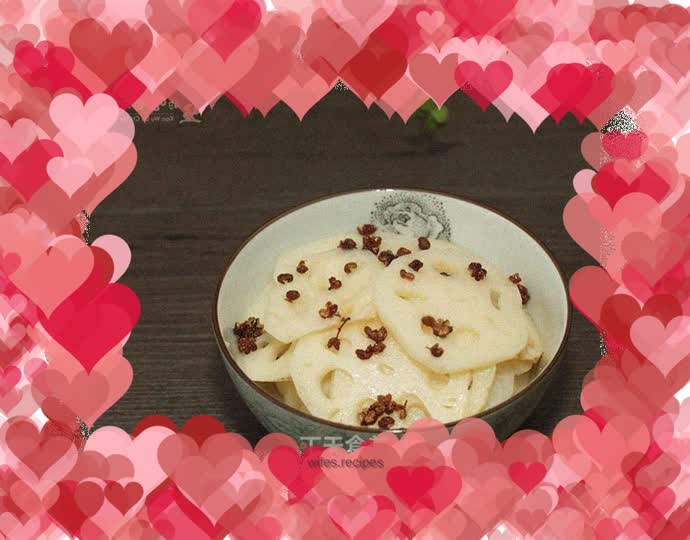
Stir-fried lotus root slices: the most popular fresh cold dish at parties
Last night, I invited friends and family to have a small gathering. The menu was ordered by my son. It was a barbecue feast. Meat is for the children. We are vegetarians, so we prepared potato slices, sweet potato slices and mixed mushrooms. The weather was hot, so we prepared several cold dishes, the most popular of which was boiled lotus root slices. In addition to the crispness, sweetness and sourness of the lotus root slices, it is probably a touch of freshness seen in many heavy-flavored dishes that aroused everyone's interest. Adults like it, and so do children.
Cold dishes Vegetarian dishes -
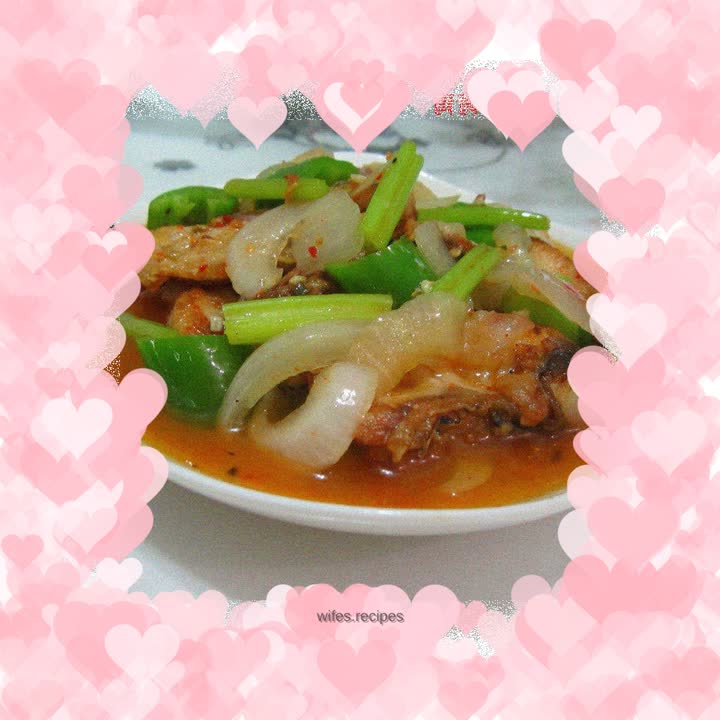
Boiled fish with celery and onion
Learn how to cook Boiled fish with celery and onion with Hot dishes and Home cooking.
Hot dishes Home cooking -
![Foods you should eat more in autumn [Lotus Root]~Cold Lotus Root Slices](/2e62118c-1c4c-49c0-86b4-8b5049023204.jpg)
Foods you should eat more in autumn [Lotus Root]~Cold Lotus Root Slices
Why is it said that you should eat more lotus root in autumn? People often say: lotus root is a treasure, and autumn lotus root is the most nourishing. The weather becomes dry in autumn, so you should focus on foods that nourish yin, clear away heat, moisten dryness and quench thirst, and calm the mind and calm the mind. Lotus root is one of the best seasonal nourishing products. After the Beginning of Autumn, fresh lotus root becomes a common dish on people’s tables. There are three types of lotus root: red lotus root, white lotus root and twist lotus root. Safflower lotus root is elongated in shape, has a brownish-yellow, rough skin, contains more starch, less water, is glutinous but not crispy, and is good for making soup; white lotus root is plump, tender and smooth in appearance, silvery white in color, crisp and juicy in texture, rich in sweetness, and is best eaten raw; and twisted lotus root is pink in color, rough in appearance, and contains a lot of starch. Fresh lotus root is rich in calcium, phosphorus, iron and multiple vitamins. Among tuber foods, lotus root contains higher iron content, so it is suitable for patients with iron deficiency anemia. This is the principle of using lotus root and other ingredients to make soup to replenish blood. The sugar content of lotus root is not very high, and it also contains high vitamin C and dietary fiber. It is very beneficial to people with liver disease, constipation, diabetes and other debilitating diseases. Lotus root is rich in vitamin K, which has a hemostatic effect. It is extremely suitable for people with congestion, vomiting blood, hematochezia, hematuria, hematochezia, and pregnant women. Lotus root, eaten raw, can clear away heat and moisturize the lungs, cool blood and relieve blood stasis. If fresh lotus root is squeezed to extract juice, its effect will be better. The ancients often mixed fresh lotus root juice, fresh pear juice, fresh mango juice, sugar cane juice, etc. to treat fever, thirst, yin damage, and anxiety. Eating lotus root cooked can strengthen the spleen and appetite, stop diarrhea and solidify essence. The elderly often eat lotus root, which can regulate the heart and appetite, nourish the blood and marrow, soothe the nerves and strengthen the brain, and prolong life. Women can also eat lotus root after childbirth. They should not eat raw or cold food after childbirth, but lotus root is not a taboo because it has the property of stopping bleeding and eliminating blood clots. In addition, lotus root has the effect of clearing the lungs and stopping bleeding, so it is also good for tuberculosis patients. When purchasing, look for ones with a yellowish-brown skin and thick and white flesh. Pay attention to the parrots, which are free from damage, rot, and rust spots, and have no joints, shrinkage, or discoloration. The smaller the parrot head at the top, the better. If the lotus root turns black and has a peculiar smell, it should not be eaten. Do not use a cast iron pot when processing fresh lotus roots to prevent the fresh lotus roots from changing color. In order to prevent the peeled lotus roots from turning brown, you can soak the peeled lotus roots in dilute vinegar water for 5 minutes, then pick them up and wipe them dry. This will keep them white and tender without discoloration. When frying lotus roots, the lotus roots usually turn black. If you add some water while frying, the fried lotus roots will be as white as jade. When we usually eat lotus root, we often discard the lotus root joints. In fact, the lotus root joints are a very good hemostatic agent. Because it contains about 2% of phosphorus and asparagine, its hemostatic and astringent effect is stronger than that of fresh lotus root. Mash the lotus root joints and add an appropriate amount of brown sugar to decoct them. It has a certain effect on various types of bleeding such as vomiting blood, hemoptysis, hematuria, hematochezia, and uterine bleeding. It is worth noting that some people should not eat raw lotus root, because fresh lotus root is cooler in nature, and eating it raw in cold sauce is difficult to digest and will damage the spleen and stomach. Therefore, those with spleen deficiency and stomach cold, and those prone to diarrhea, should eat cooked lotus root. It is generally more appropriate for pregnant women to eat lotus root 1 to 2 weeks after delivery.
Cold dishes Home cooking -

Mung bean soup
Efficacy of mung beans: Mung beans are cool in nature and sweet in taste. Drinking them regularly can relieve heat and quench thirst. Because of its diuretic effect, drinking it after food or drug poisoning can also remove toxins from the body. It also has certain effects on heat swelling, hot thirst, dysentery, carbuncle, pox, macules, etc. Functions of mung bean soup 1. Detoxification: The heat-clearing power of mung beans lies in the skin, including the detoxification effect. Therefore, if you just want to cool off the heat, wash out the mung beans when making soup and boil them over high heat for about 10 minutes. Be careful not to cook them for a long time. The soup cooked in this way is green in color and relatively clear. There is no need to eat the beans together when drinking, as it can achieve a good cooling effect. If it is to clear away heat and detoxify, it is best to boil the beans. This kind of mung bean soup has a turbid color and poor heat-relieving effect, but it has a stronger heat-clearing and detoxifying effect. 2. Prevent heat stroke: Mung beans are more effective when cooked together with other foods. To prevent heat stroke, you can drink mung bean and silver flower soup: 100 grams of mung beans, 30 grams of honeysuckle, decoct in water and take. 3. Mung bean is a heat-clearing and detoxifying drug, which has pharmacological effects such as anti-inflammatory, sterilizing, and promoting phagocytosis: its seeds and water decoction contain physiologically active substances such as alkaloids, coumarins, and phytosterols, which play an important role in promoting the physiological metabolic activities of humans and animals. According to traditional Chinese medicine, mung beans, bean skins, bean sprouts, bean leaves and flowers can all be used as medicine.
Soups Home cooking -
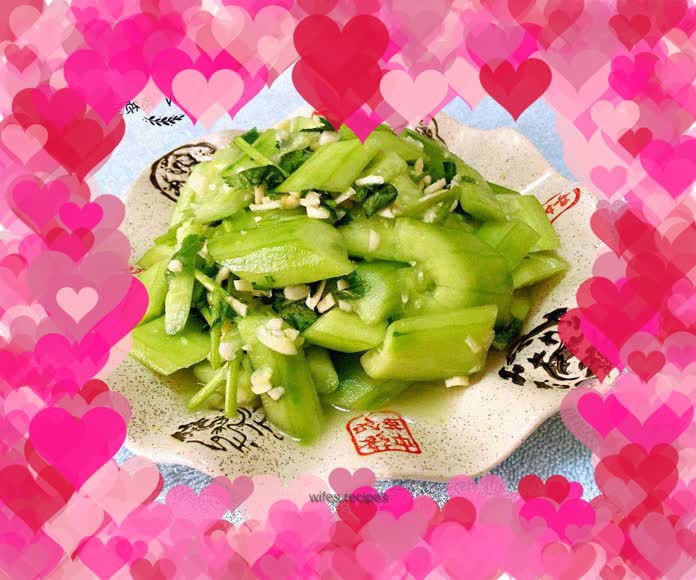
Hot and sour crispy melon
Learn how to cook Hot and sour crispy melon with Cold dishes and Home cooking.
Cold dishes Home cooking -

Osmanthus glutinous rice and lotus root
Autumn lotus roots are on the market. Choose a well-proportioned lotus root, stuff the glutinous rice that has been soaked in advance into the eyes of the lotus root, cook it in a pot, let it cool, then slice it, and then pour it with sugared osmanthus. Hey, it is really sweet and soft!
Appetizers Home cooking -
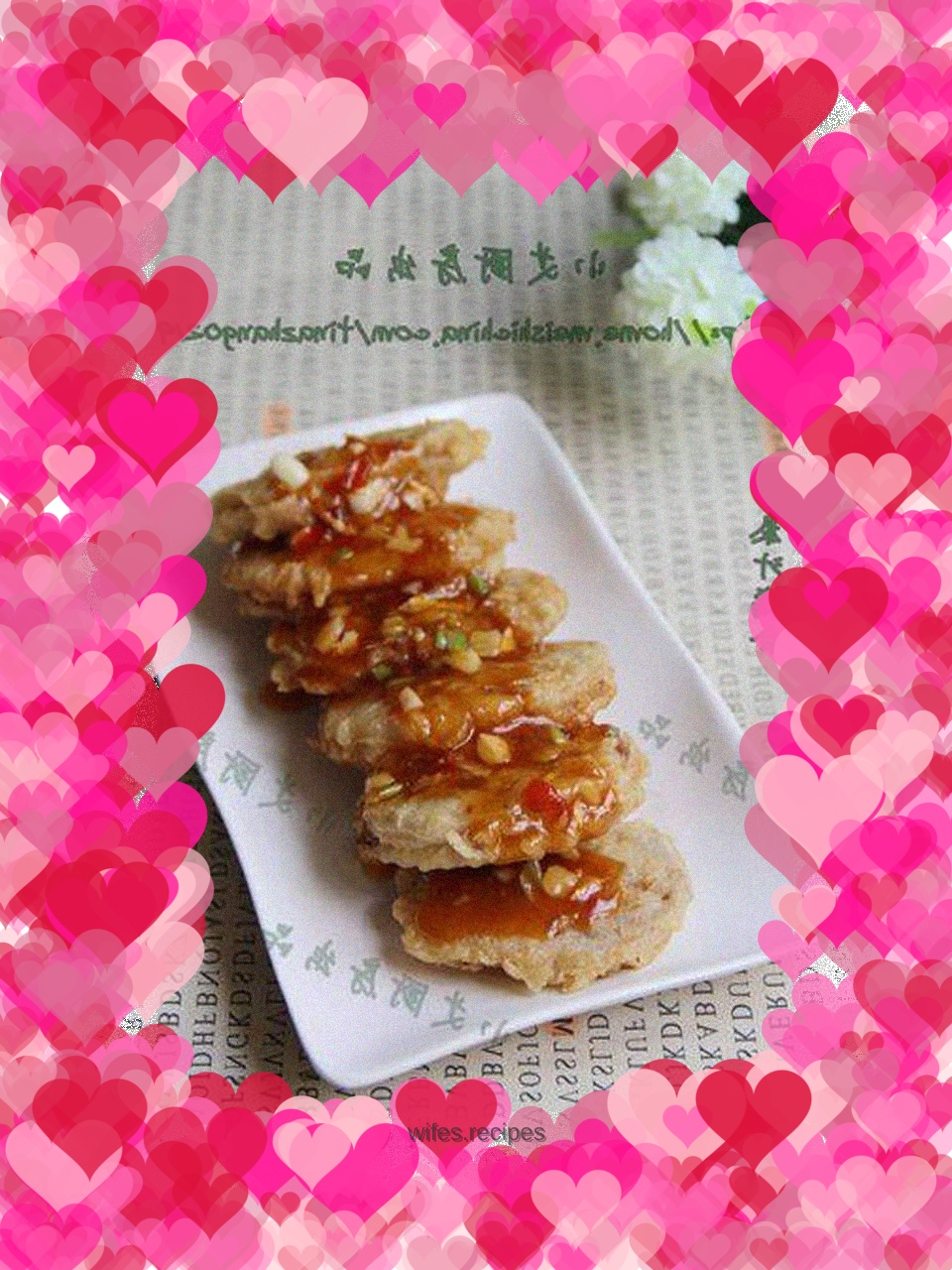
Thai Sauce Lotus Root Box
This dish is based on the traditional fried lotus root box, with Thai spicy sauce prepared and poured on top. It retains the tenderness on the outside and the hot and sourness of the Thai sauce, making it an appetizing meal.
Hot dishes Home cooking -
![Mixed cold dishes [Enoki mushrooms mixed with tofu skin]](/ed7ca434-becc-44bd-a306-aabd506f2008.jpg)
Mixed cold dishes [Enoki mushrooms mixed with tofu skin]
The taste and nutrition of enoki mushrooms are good, coupled with the bean flavor of the bean skin, the two combinations are quite good. It is my first time to try it and the effect is very good. I recommend it to everyone
Cold dishes Vegetarian dishes -
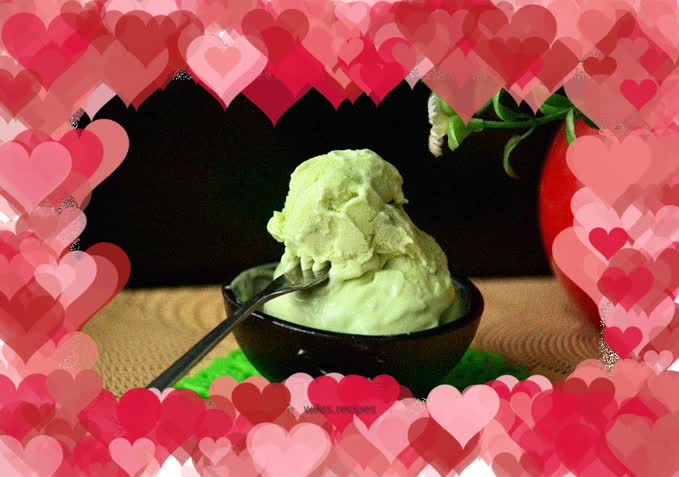
Avocado ice cream
I love avocados so much that I buy a lot of them and eat them all. The avocado ice cream is so delicious. Even though the weather is getting colder now, when I look at the avocado, I think of the deliciousness of the ice cream made with it, which makes my mouth water. I couldn't help it anymore, so I started making ice cream. If you have never eaten avocado ice cream, you must give it a try. Even if you don’t like avocado, you will fall in love with the ice cream made with it! You can actually make ice cream with avocado without whipping cream, but my son likes to eat it with whipped cream, so this version still adds whipping cream, but it can be made without eggs, just to highlight the flavor of avocado. Next summer, we will make it without adding butter and just rely on the natural taste of avocado to make the ice cream so smooth and smooth that you will want to eat it again. Without further ado, here’s the avocado ice cream
Dessert Ice products -
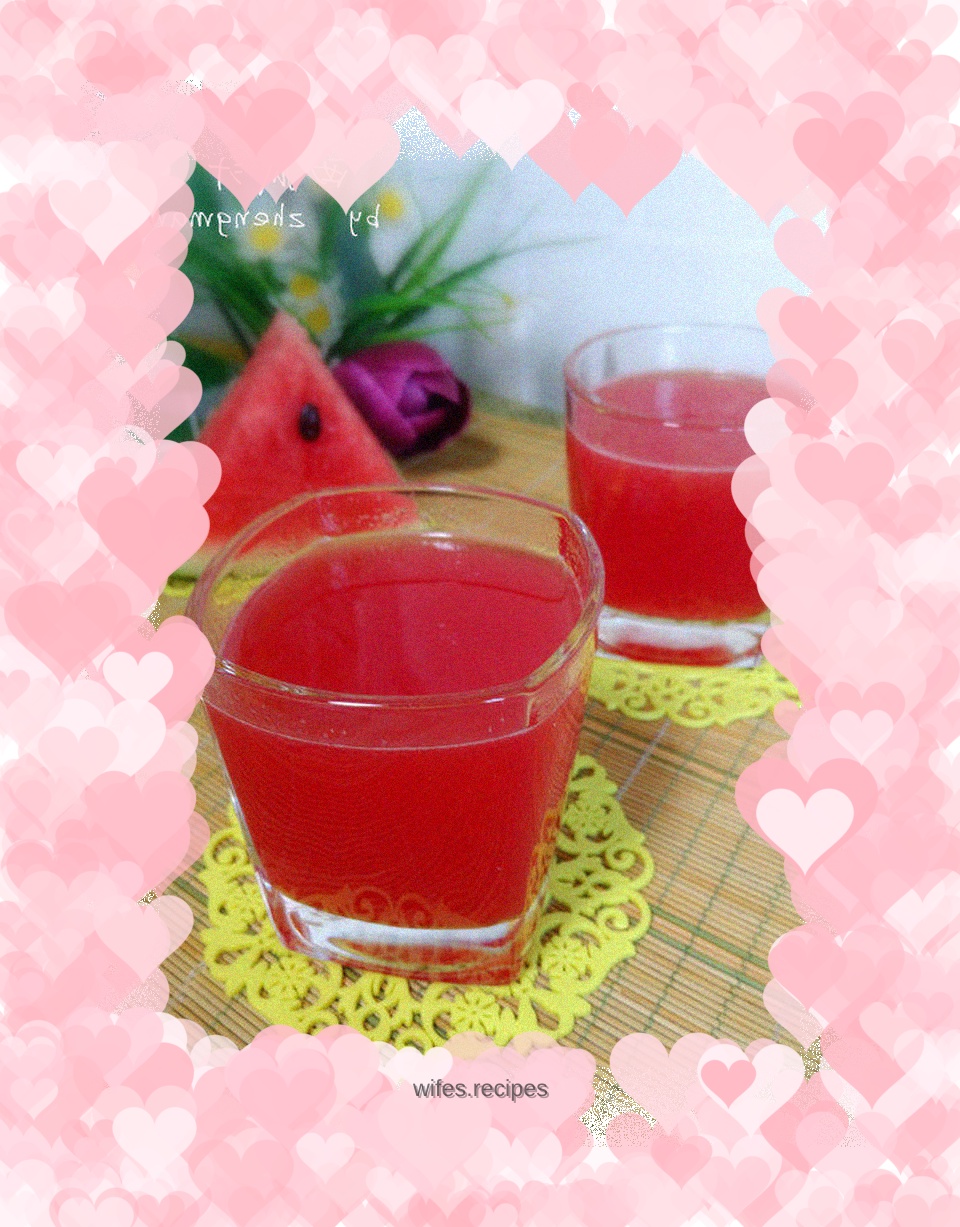
Watermelon juice
Drinks contain food additives, which are not good for your health if you drink them regularly. Making juice at home is healthy and delicious.
Drinks children