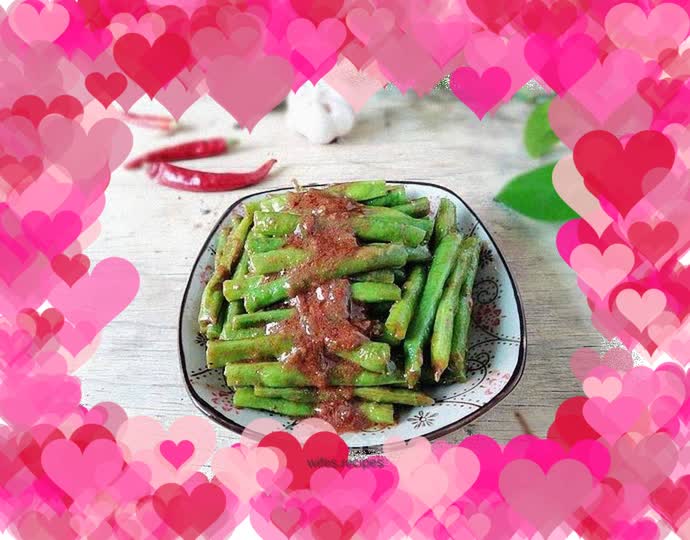
Fried cowpeas with shrimp paste
Overview
I was sorting through the kitchen cabinets and found two bags of shrimp paste. It seemed that I bought them a few months ago. I saw that the shelf life was still a few months away and I had to get rid of them quickly. Shrimp paste is rich in protein, calcium, iron, selenium, vitamin A and other nutrients. There is also a very important nutrient in shrimp paste - astaxanthin. Astaxanthin is by far the strongest antioxidant and is called super vitamin E. The redder the shrimp paste, the more astaxanthin. Moderate consumption is very good for the body. Cowpeas are rich in vitamin B, C and plant protein, which can calm people's minds, regulate the digestive system, and eliminate chest and diaphragm swelling. It can prevent and treat acute gastroenteritis, vomiting and diarrhea. It has the effects of quenching thirst and strengthening the spleen, nourishing the kidneys and stopping diarrhea, replenishing qi and promoting fluid production. Cowpea provides high-quality protein that is easy to digest and absorb, an appropriate amount of carbohydrates, a variety of vitamins, trace elements, etc., whether it supplements the body's signature nutrients. The B vitamins contained in cowpea can maintain normal digestive gland secretion and gastrointestinal motility functions, inhibit cholinease activity, help digestion, and increase appetite.
Tags
Ingredients
Steps
-
After washing the cowpeas, remove the tendons at both ends and cut them into small sections.

-
Put the selected cowpeas into a pot of boiling water and blanch them until raw, then take them out and set aside.

-
Chop green onions and prepare some shrimp paste.

-
Heat the wok, pour in oil and heat, add chopped green onions and shrimp paste and stir-fry until fragrant.

-
Add the blanched cowpeas and stir-fry.

-
Add a spoonful of soy sauce and stir-fry evenly before serving.
