【Chongqing】Kimchi radish (sour radish)
Overview
In authentic Sichuan and Chongqing homes, there may be very few people who don't know how to make kimchi, and everyone will have several kimchi jars in their home. The jar is usually pickled with ginger, radish, pepper, cowpea, green vegetables, etc. all year round. In addition to green vegetables, every summer is the peak season for these vegetables, so every household will buy fresh ingredients from the market according to their own needs, wash them, drain them, and then pickle them. In fact, Sichuan people almost don’t call this craft pickled pickles, but called salty (sounding Korean) dishes; these dishes are not directly called kimchi, but are collectively called sour pickles, pickled pickles or pickled vegetables. When talking about the dish, they will directly use the word dip in front of the name of the dish. ; In addition to crown soaking, the names of each dish are slightly different. Cowpeas and radish are called sour cowpeas, pickled radish, or pickled cowpeas and pickled radish, while ginger and pepper are called pickled ginger and pickled sea pepper, and green vegetables are called pickled cabbage. These dishes, except for cowpeas, which are used with meals, are basically used as cooking materials or side dishes. They usually need to be marinated for a long time, and only after full fermentation by microorganisms can the authentic sour and refreshing taste be obtained. These flavors and the various seasonings of Sichuan cuisine are processed through cooking, frying, frying, stewing and other processes, and various unique flavors are derived, some are single and some are complex. The finished dishes are fragrant, appetizing and refreshing, making people love it more and more, and can't stop eating. There is also the sauerkraut in a famous brand's Lao Tan Sauerkraut Noodles, which is made from Sichuan green vegetables after 81 days of fermentation. It is so sour and refreshing that advertisements remind the gluttons everywhere and it is deeply rooted in the hearts of the people. Pickled fish is now a well-known dish. The kimchi often shared by netizens outside Sichuan and Chongqing is often called diving or boiling water vegetables in Sichuan and Chongqing. These vegetables are only pickled in light salt water for one to a few days before being eaten. They are not salty and most of them have a crisp texture. Because the pickling time is short, they are called diving or boiling water. This kind of pickles is only suitable for eating and cooking now and cannot be stored for a long time. The process of pickling kimchi is actually very simple, just salt, laotan water and kimchi jar. If you don’t have a kimchi jar, you can buy it online. If there is no Laotan water, it doesn't matter. Just open a new jar of salt water. As the pickles grow for a long time, Laotan water will be available. Then if I take good care of it, I can continue to walk with you year after year.
Tags
Ingredients
Steps
-
Clean the pot and make sure there is no oil. Add water, bring to a boil, then add salt to boil. Let cool and set aside. The saltiness of the brine is relatively salty, about four to five times that of ordinary dishes. The weight of the salt above is my estimate.

-
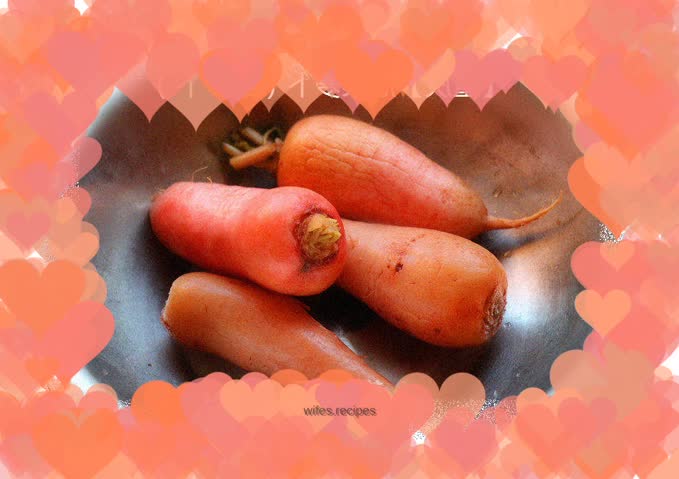
Wash the water radish. Don't use the radish tassels, use them for other purposes.

-
It doesn't matter if the water is mostly drained and there is a little water on the surface. It's okay if you are willing to drain it all.

-
First put the radish into the pickle jar, then pour in the salt water until the radish is covered. Then sprinkle with another layer of salt.

-
Put the lid on the altar and pour clean water over the edge to seal the jar to prevent air from entering. After pickling for a few days, the radish will release a lot of water. If there is too much water, you need to use a spoon to scoop out the excess water from the jar. Refill the jar with water regularly every week to maintain the water level and ensure it is well sealed and airtight. When buying a jar, you must pay attention to the fact that the jar and lid cannot leak air or water. The inner edge of the jar must be higher than the outer edge. For a while at the beginning, the fermentation in the jar will produce bubbles, which will be discharged through the edge of the jar, so the water in the jar will bubble and gurgling...

-
Look at my jar. Do you think it's a lot? In fact, what you see is only part of it, ho ho ho ho ho...

-
When you pickle radishes the next year, you don't need to boil salt water. Just wash and drain the vegetables, put them in a jar, then put a layer on them and sprinkle some salt appropriately. If there is whitening in the jar after a period of time, don’t be nervous. We have a trick. Go to the supermarket and buy a bottle of high-strength liquor with a temperature above 52 degrees, pour 2 taels into it, and the whitening will disappear. Are you saying God is not miraculous? The wisdom of the people is truly amazing.

-
Pickled radish can be used to stew old duck soup, make meat slice soup, pork liver soup, or make pickled pepper fish, pickled pork liver, chicken gizzards and other pickled pepper dishes. I will slowly share with you how to make my kimchi series of dishes. Stay tuned.
