Buckwheat cold noodles
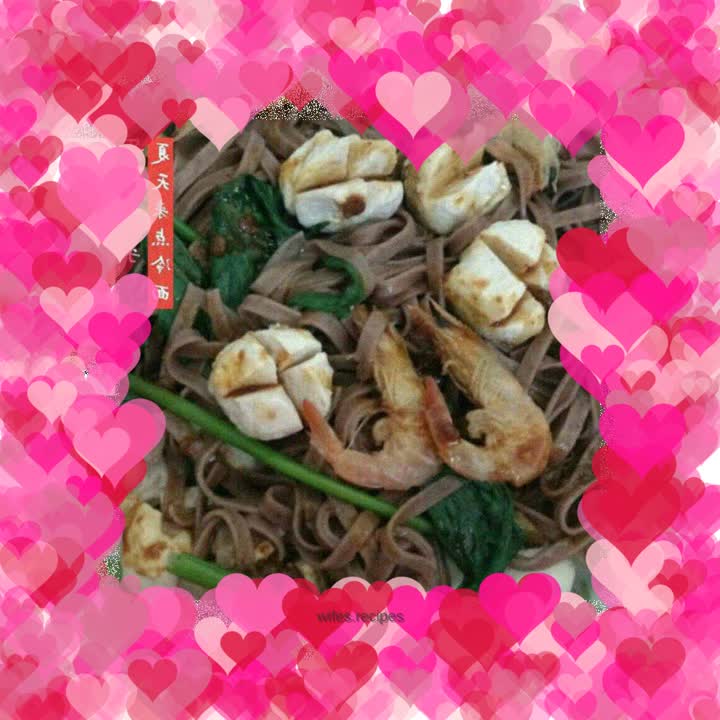
Overview
Buckwheat noodles contain 70% starch and 7%-13% protein, and the amino acid composition of the protein is relatively balanced, and the content of lysine and threonine is relatively rich. Buckwheat noodles contain 2%-3% fat, and the content of oleic acid and linoleic acid that are beneficial to the human body is also high. These two fatty acids play a role in lowering blood lipids in the human body, and are also important components of prostaglandins, an important hormone. The vitamins D1 and B2 in buckwheat noodles are 3-20 times that of wheat flour, which are rare in ordinary cereals. The biggest nutritional feature of soba noodles is that it is rarely found in ordinary foods, that is, it contains a large amount of niacin and rutin. Both of these substances have the effect of lowering blood lipids and serum cholesterol, and have important preventive and therapeutic effects on hypertension and heart disease. They are good medicines for the treatment of cardiovascular disease. Buckwheat noodles also contain more minerals, especially phosphorus, iron, and magnesium, which are of great significance for maintaining the normal physiological functions of the human cardiovascular system and hematopoietic system. The energy per 100 grams is approximately 1411 kilojoules.
Tags
Ingredients
Steps
-
Prepare ingredients. (Soak the dried shrimp in water first)

-
Ingredients, meatballs

-
Cut the meatballs into cross-cuts, put them into the pot and bring to a boil, remove and set aside. (Pour out the water)

-
Bring water to a boil in a pot, then add soba noodles and dried shrimps. After they are cooked, quickly supercool the boiling water and put them in a plate.

-
Mix the light soy sauce and sand tea sauce thoroughly and pour evenly into the noodles.

-
If you like sweet and sour food, you can add ketchup

-
If there is no fume, the cold buckwheat noodles are ready.
