Shandong Noodles Steamed Buns
Overview
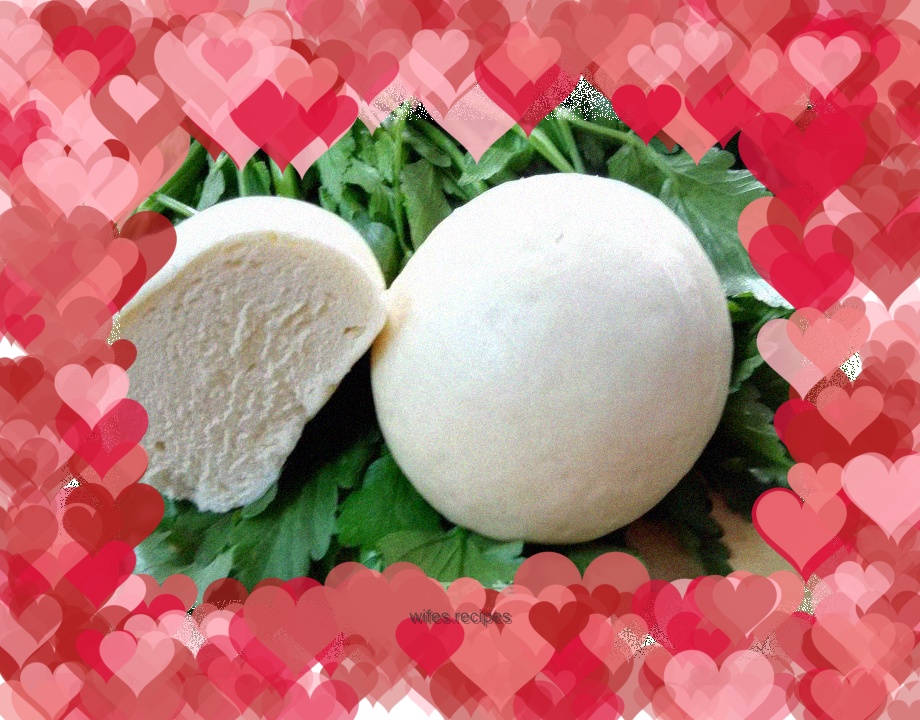
My husband likes to eat steamed buns, so I learned how to make them. I found that each place makes them differently. Different methods have different tastes and each has its own merits. We Wuxi people are not good at making steamed buns. We can only spread out noodles to eat them. We have never seen our parents do this since we were young. But since I learned how to do it, I like it more and more. Today's "Shandong Noodle Steamed Buns" is simple to make. It does not require long fermentation and the time is short. It is just a bit laborious to knead. It seems that the kung fu needs to be trained. The finished product tastes good. I ate two of them at once, 80 grams each. I think I had a good appetite. The steamed buns are soft and chewy, and my husband was full of praise after tasting them. It seems that my craftsmanship has made progress. The so-called noodle kneading is to knead dry flour into the fermented dough. Today's version omits the intermediate fermentation step, so the relative time is shorter. If you have time, you can also try kneading with dry flour after fermentation. If you add this step, I believe the taste will be better. Today’s recipe is more suitable for office workers. It takes a short time to make but is also very delicious.
Tags
Ingredients
Steps
-
Prepare all the ingredients

-
Put 500 grams of wheat flour, dry yeast, baking powder, and white sugar in a clean basin at the same time. "Note: Adding sugar is to remove the taste of yeast and baking powder. In addition, sugar is also the best partner of yeast to speed up fermentation."

-
Use chopsticks to stir the ingredients in the basin evenly

-
Pour in the warm water and use chopsticks to stir into a flocculent shape, then knead into a soft dough

-
Sprinkle some dry flour on the kneading mat in advance, transfer the kneaded soft dough to the kneading mat, and put another 150 grams of flour aside for later use

-
While kneading, add a little dry flour and continue kneading to form a dough. Knead for a while, then add some dry flour to the dough, then knead again and repeat this operation until all the dry flour is added

-
After all the dry flour is added, knead the dough into a smooth dough. This is the time to show your skills. Knead the dough until it is soft and smooth, and the steamed buns will be beautiful and chewy. This is all a matter of skill. After kneading, let it rest for 1 hour

-
Knead the dough into a long strip and divide it into 12 dough pieces, 80 grams each. (Note: If you like the steamed buns to be larger, you can also divide them into 6 dough pieces, 160 grams each)

-
Knead each dough into small round buns repeatedly. "Note: Knead until the dough is a little moist and you can feel it with your hands. Knead it into a round shape and have a nice shape without creases." When kneading the dough, cover the other dough with plastic wrap to keep it moisturized.

-
This is a small dough that has been kneaded, 80 grams each

-
Cover the dough with a piece of plastic wrap and let it rise for 20 minutes

-
Once the dough has risen, it will spring back immediately when pressed lightly with your fingers.

-
This is the dough that has risen

-
After the water on the stove boils, put the dough into the steamer

-
Cover the lid and steam for 20 minutes. Do not open the pot immediately after steaming to prevent the skin of the steamed buns from wrinkling and shrinking. Wait 5 minutes before opening the pot. Don’t cover it for too long to avoid water vapor dripping on the steamed buns and softening the skin of the steamed buns

-
Okay, it’s time to cook

-
Appreciation of the finished product

-
Take one bite, it's soft but not hard, and full of chewy texture
