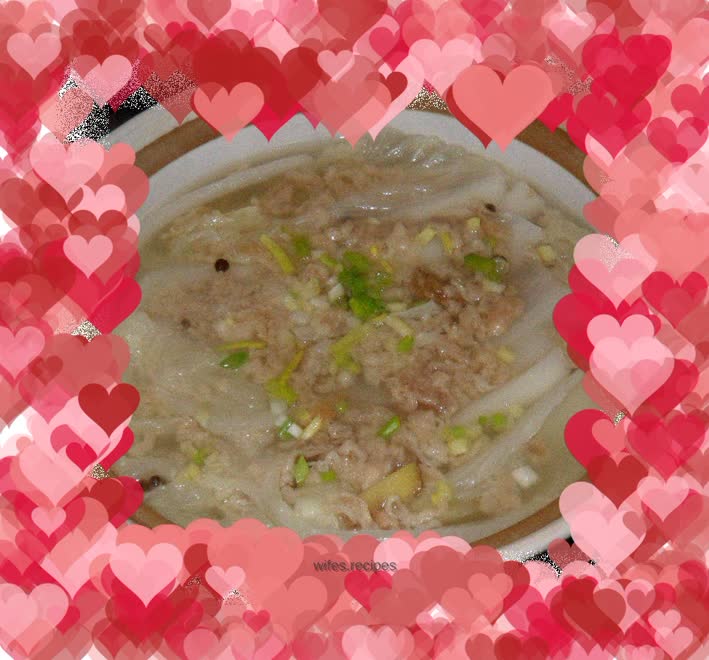
A simple cabbage soup with oil residue
Overview
In the north, suet is generally bought by southerners and restaurants. Since there are fewer people buying it, the price is cheaper. The best suet I bought today was only 4.50 per pound, which I couldn't even buy in my hometown of Chongqing. When I was a kid, when lard was boiled at home, the old man would give us a bowl of cooked lard, and then sprinkle some sugar on it and mix well. It was fragrant, crispy, and sweet, and very delicious. Then the remaining lard was used for cooking or stewing soup, which tasted particularly delicious. Although we no longer have the habit of eating it mixed with sugar, the habit of stewing radishes and vegetables has still been preserved. Every time I eat it, I feel like I have gone back to the past.
Tags
Ingredients
Steps
-
Wash the Chinese cabbage. (This is the most delicious part left at home, Chinese cabbage heart)

-
Cut each leaf of the Chinese cabbage in half, then cut the ginger slices and set aside.

-
Bring water to a boil in a casserole, add three tablespoons of oil residue, and after boiling over high heat, add half a tablespoon of white wine, a few peppercorns, and a few slices of ginger.

-
Cook for about 10 minutes. When the oil residue becomes fragrant, add Chinese cabbage and a small spoonful of salt.

-
Bring to a boil over high heat and simmer over medium heat.

-
Cook for about 10 minutes, add a spoonful of chicken essence and turn off the heat. (If you like your cabbage crispier, you can cook it for a little less time)

-
Finally sprinkle with scallions.

-
I like to mix up a bowl of condiments and eat them with oil residue. (Seasoning sauce: salt, red oil chili, minced ginger and garlic, pepper noodles, chopped chives, MSG)
