Spicy beef strips--an eternal classic
Overview
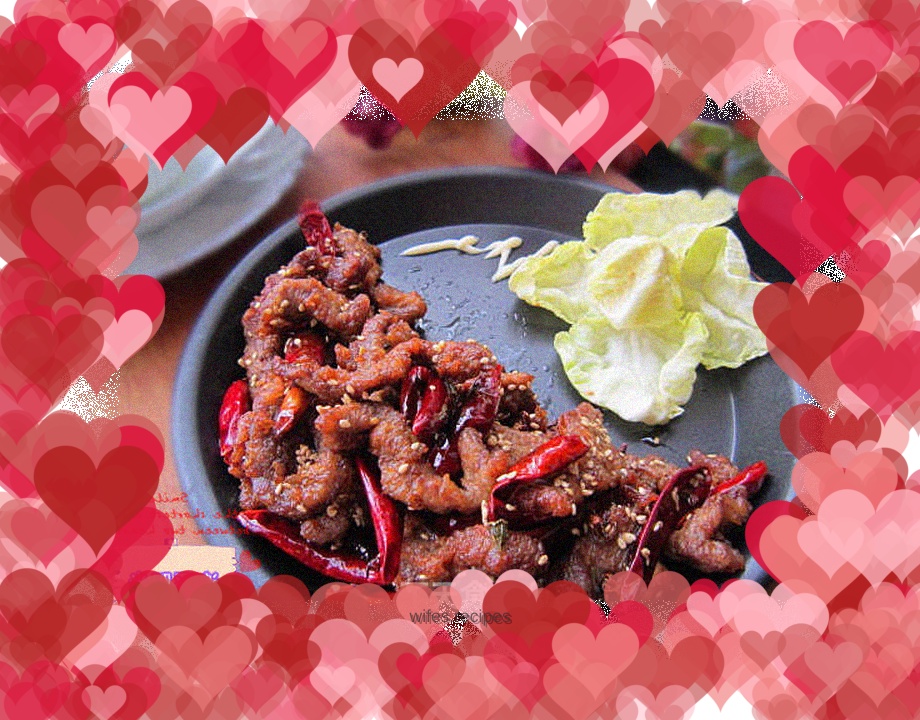
One of my favorite dishes to order when going to a restaurant is spicy beef strips. The crispy shell wraps the tender beef. When biting into the beef, you can chew a little bit of Sichuan peppercorns and peppercorns. In my son’s words: It’s great! The earth-yellow beef strips are placed on a large plate, surrounded by attractive red peppers, fried brown peppercorns and peppercorns, and fragrant white sesame seeds. It makes people want to eat it after seeing it, and after eating one, they want to eat another one... the more they eat, the more delicious it becomes, and the more they eat, the more addictive they become.
Tags
Ingredients
Steps
-
After patting the beef tenderloin loosely with the back of a knife, slice it horizontally and cut it into beef strips. Add appropriate amount of sugar, cooking wine, white pepper, spicy fresh ingredients and some water and knead with the beef evenly,

-
Massage the beef and use your hands to absorb all the cooking wine into the meat, then add a little oil and mix well

-
Put a little egg liquid and dry starch to hold it together until no water comes out, then use an appropriate amount of oil to hold it evenly to lock in the water.

-
When the temperature reaches about 150 degrees, add the beef strips. Take them out when the color turns slightly yellow and place them in a colander to drain away the oil

-
Increase the oil temperature to about 180 degrees and fry again

-
Leave an appropriate amount of base oil in the pot, first add Sichuan peppercorns and fry them until they become fragrant, then fry the peppers until they become dark reddish brown and fragrant and spicy

-
Then add the fried beef strips, sprinkle with appropriate amount of sugar, salt and chicken essence to taste, then sprinkle with appropriate amount of cooked sesame seeds, stir-fry evenly

-
The first is to choose the meat, preferably beef tenderloin, that is, beef tenderloin, and beef hind shank. The meat fiber in this part is relatively thin, and the meat is firm and tender, so it is more suitable for stir-fried beef slices or shreds. Secondly, the way to cut the beef, slice it crosswise, and shred it along the way. This means that if you want to cut the beef slices, you have to cut it against the grain. It is best not to cut it along the way. Cut into shreds, because it is difficult to bite the meat when it comes out, but you can't cut it against the top, even if you cut it at a 90-degree angle to the grain, because it will break easily during the frying process, and then it will be a plate of stuffing. How to cut it, that is, cut it diagonally. It is most suitable to cut at an angle of about 30 degrees between the knife and the grain. In this way, it will not break easily when fried, and the taste is good.

-
Restaurants use baking soda to marinate beef. It is an important seasoning for marinated beef. Its chemical reaction in the meat can break the thick fibers in the meat. The real reason why the beef cannot be chewed is that the fiber is too thick. If the fibers break, it will make the meat easier to bite. If you use it at home, it is best not to put baking soda directly into the meat. It will be uneven and the effect will not be good. Correct The method is to mix all the marinated meat seasonings including water together, and then beat it into the meat bit by bit until the beef is completely absorbed. Finally, add a little egg liquid and dry starch and mix well. The purpose is to add a layer of shell to prevent the water from returning, then seal it with oil and put it in the refrigerator for two hours. You can make it at home without baking soda, just use cooking wine, water, oil, and white pepper.

-
The initial frying is to fix the shape of the raw materials. Therefore, the oil temperature should not be too high, so that the heat can gradually penetrate into the raw materials and prevent them from being burnt on the outside. During the cooking process of the raw materials, the skin cannot be crispy because the oil temperature is not high. If the raw materials continue to be heated in the pot, the water in the raw materials will evaporate due to too long time, causing the dishes to become dry and hard, and the effect of being burnt on the outside and tender on the inside will not be achieved. After the raw materials are initially fried in low-temperature oil for a short period of time, they are taken out; then the oil temperature is raised and re-fried. Due to the effect of high-temperature hot oil, re-frying can reduce the oil content of the dishes themselves and make them not greasy: after re-frying, the difference in heating degree between the inside and outside of the dishes is widened, which can achieve the effect of crispy outside and soft and tender inside, thereby consolidating the results of the initial frying. It can be seen that re-explosion is a very critical step in the frying process.
