Boil fried sauce
Overview
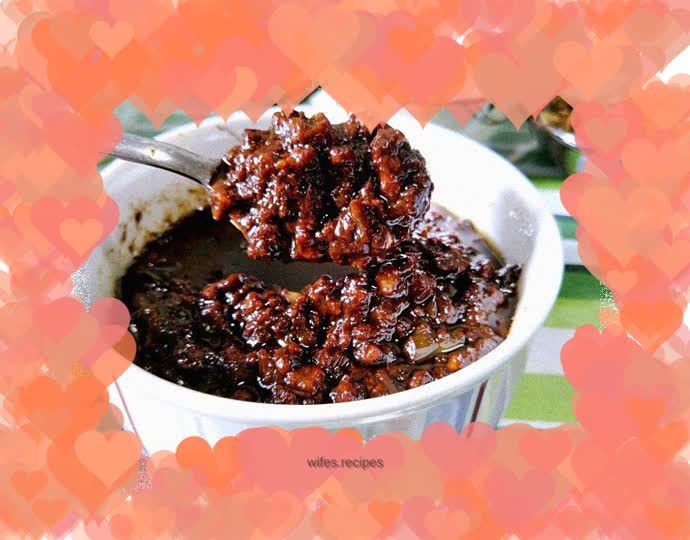
Zhajiang noodles are northern noodles, and Beijing Zhajiang noodles are the most famous. Add half-fat lean pork cubes, green onions, and ginger, stir-fry in a pan, add boiled yellow sauce, cover the pan and simmer over low heat. When the diced meat is soaked with yellow sauce, the skin of the meat will be bright red and the fragrance will overflow. There are also other specialties that use diced tenderloin fried sauce, three delicacies (shrimp, tenderloin, magnolia slices) fried sauce, etc., as well as osmanthus (egg) fried sauce, fried tofu diced sauce, roasted diced eggplant sauce and other vegetarian dishes, which are oily but not greasy. Old Beijingers eat noodles with soybean paste. On cold days, they pay attention to eating them hot, which is called the pot of noodles (it doesn't contain enough water at all). On hot days, they eat the noodles above the water, but the soup must be drained. It is served with a variety of fresh side dishes according to the season, which is called comprehensive code. In early spring, use bean sprouts with the head and tail removed (called pinching vegetables), small radish leaves with only two cotyledons, and pour the leftover Laba vinegar from the Chinese New Year. In late spring, fresh pepper stamens are put into the sauce, which is called Sichuan peppercorn sauce. The noodles are made of green garlic, Chinese toon sprouts, pickled cabbage, green bean sprouts, radish tassels and silk strips. In early summer, new garlic, blanched fresh peas, cucumber shreds, lentil shreds, leek segments, etc. are used as noodles. Old Beijing fried sauce pays attention to adding the chopped green onion by pouring it into the pot. Pour the pot is a cooking method in old Beijing, which means adding condiments in the last step of cooking food. In Beijing dialect, it is called pouring Qūguo, which means pouring hot pot. Old Beijing fried sauce pays attention to pouring the chopped green onion into the pot. When the sauce is fried, pour the chopped green onion into the pot, then turn off the heat, and the fried sauce can be poured out.
Tags
Ingredients
Steps
-
Take 50g of dry yellow sauce and 150g of sweet noodle sauce and put them in a bowl. The ratio of dry yellow sauce to sweet noodle sauce is 1:3. Be particular about using sauces produced by Tianyuan and Liubiju.

-
Add 250g of water and spread the sauce with a small spoon until it becomes a thin soup without lumps. (Old Beijingers would use the method of adding water in batches when boiling the sauce, but I was too lazy to add enough at once)

-
For pork, it’s best to choose pork belly. Remove the skin (actually I like to eat it with skin and tendons, but girls don’t like it). It’s best to cut it into small pieces of one centimeter square. 50 grams of scallions, chopped (I usually cut them into rings) and 4 slices of ginger, minced. I cut the meat into small cubes because I was going to eat steamed buns and temporarily changed it to make noodles with soybean paste.

-
Put a spoonful of oil (15g) in the pot, first add the minced ginger, then the fat.

-
Stir-fry the fat meat to release the oil, then add the lean meat. It would be better if the pork belly is directly fried in the pan to release the oil.

-
Add two tablespoons of cooking wine, reduce the water over high heat and drain.

-
Add two tablespoons of oil (30g) to the pot, fry more than 10 Sichuan peppercorns until fragrant, remove and discard the Sichuan peppercorns.

-
Add 50 grams of chopped green onion to the pot and fry over low heat until fragrant.

-
Wait for the chopped green onions to turn slightly yellow, remember to be yellow but not burnt. Immediately pour in the prepared yellow sauce.

-
Bring to a boil over medium heat, add the fried meat cubes, and simmer over low heat (if the heat is too high, the sauce will bubble and splash, making it easy to burn). Use a shovel to keep pushing the sauce. It takes a long time to simmer the sauce (about half an hour). You must be patient and push it from the edge of the pot to the bottom to prevent it from sticking to the bottom.

-
At this time, the color of the sauce has turned bright red, there are no big bubbles splashing in the pot, and the oil has separated from the sauce. Now it is ready to be taken out of the pot.

-
Scoop out excess sauce in a bowl, leaving enough sauce in the pot. Zhajang can not only be mixed with noodles, but can also be eaten with raw vegetables as a dip. I also use it as a base for roasted eggplant, which tastes amazing.

-
Sprinkle chopped green onion into the sauce you want to eat (the chopped green onion is not listed in the ingredients), stir-fry a few times and turn off the heat (it's called "pour the qū pot" in Beijing dialect, which means pouring the soup into the pot). The reason why I didn’t add a second layer of chopped green onion to all the sauces was because I was afraid it wouldn’t be easy to preserve.

-
Take a photo with Noodles and Cai Ma. The sauce I cooked is a little drier because most of my dishes are blanched vegetables, which will bring in some water.

-
A bowl of fried noodles must have a dish code, it can be more or less, raw or cooked. I prepared blanched vegetables: mung bean sprouts, shredded carrots, and shredded cabbage. I also spread out egg skins and cut cucumber shreds. In short, it’s up to you to be rich and frugal.

-
Mixed fried noodles
