Tempura
Overview
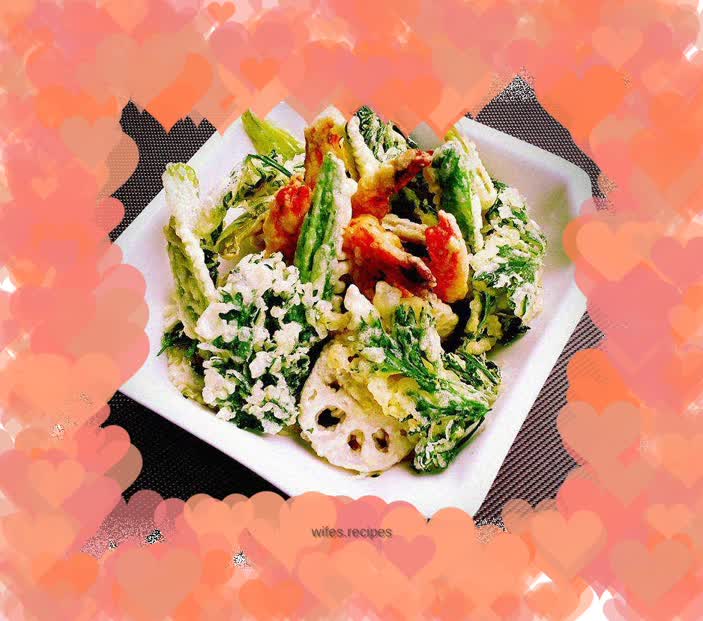
What the hell is tempura? Tempura is a fried food in Japanese cuisine. Flour, eggs and water are mixed into a slurry. Fresh fish, shrimp and seasonal vegetables are wrapped in the slurry and fried in a pan until golden brown. When eaten, dipped in the juice made from soy sauce and radish puree, it is tender and delicious, fragrant but not greasy. It is not the name of a specific dish, but a general term for fried food. Specific types include vegetable tempura, seafood tempura, assorted tempura, etc. In Japanese cuisine, dishes fried in batter are collectively called tempura. It is a dish that can be served whether it is a casual meal or a banquet. The name tempura comes from Portugal and was brought to Japan by Portuguese missionaries who arrived in Japan in the 16th century. The most critical aspect of tempura cooking is the preparation of batter. Tempura mainly uses egg batter. The prepared batter is called tempura coat, and the flour used to make the pastry is called thin powder in Japanese. It is flour with less gluten, which we call low-gluten flour here. The tempura noodles made from this kind of batter are thin and crispy. The best water for making batter in summer is ice water. Tempura is one of the four major Japanese dishes. Qualified tempura standards: the dough should be crispy and loose, the ingredients should be fresh, not greasy in the mouth, and the bottom of the dish should be oil-free. My knowledge of tempura is also recent. I watched Goro eat it in the TV series "The Lonely Gourmet", but I still don't understand what tempura is? I went to Japan and saw the chef operating it in a hotel buffet, and then I understood what tempura was all about. When I tasted tempura for the first time, I felt that it was not as simple as the fried food we are familiar with. It contained a relatively high technical content. After returning home, I was eager to try it and thought about making my own tempura addiction. The following is my production process, written down to share with you.
Tags
Ingredients
Steps
-
The ingredients for making tempura are not complicated. You can use any fish, shrimp, or vegetables you want to eat. But knife skills are very particular. Cut vegetables and fish into strips or slices. The difficulty lies in the handling of shrimps. The first time I handled the shrimps incorrectly, I did not remove the shrimp heads as shown in the picture. The second time I processed the shrimps perfectly according to the correct knife skills for tempura. See the picture below.

-
Processing of shrimp: First step, remove the shrimp head, peel off the shell of the shrimp, leaving only a little tail; second step, use a knife to make four cuts on the shrimp body, cut to three-quarters, do not cut off, the purpose is to cut off the shrimp tendons. When frying, the shrimp will be straight and not bent, which is a sign of authentic seafood tempura; third step, marinate the shrimp with cooking wine, white pepper, and a little salt for 15 minutes.

-
Preparation of tempura batter: Determine the amount of low-gluten flour according to the amount of ingredients. Add an egg and mix it with purified water (preferably refrigerated). In order to highlight the original flavor of the ingredients, a very thin batter is usually prepared when making tempura batter. Especially when making tempura with green leafy vegetables, the wrapped ingredients can still be seen. Coat the ingredients to be fried in dry low-gluten flour first, then put in the batter and drag it, and then put it directly into the oil pan for frying.

-
The oil temperature should be between 170-180°. You can throw a little batter in beforehand to try it. If it can quickly form lumps and float, it is the standard oil temperature. Put the ingredients into the oil pan one by one and fry until golden brown and float, then remove and control the oil. It is recommended to fry the vegetables first, then the fish and shrimp, so that there will be no odor transfer between the ingredients.

-
The standard dipping sauce for tempura is radish puree soy sauce, which is both delicious and soothing (dip combination: daikon, ginger, light soy sauce). In fact, we can also modify the dipping sauce according to our own taste: Thousand Island salad dressing, Heinz ketchup, Thai sweet and spicy sauce, etc.
