Roasted Eggplant with Feta
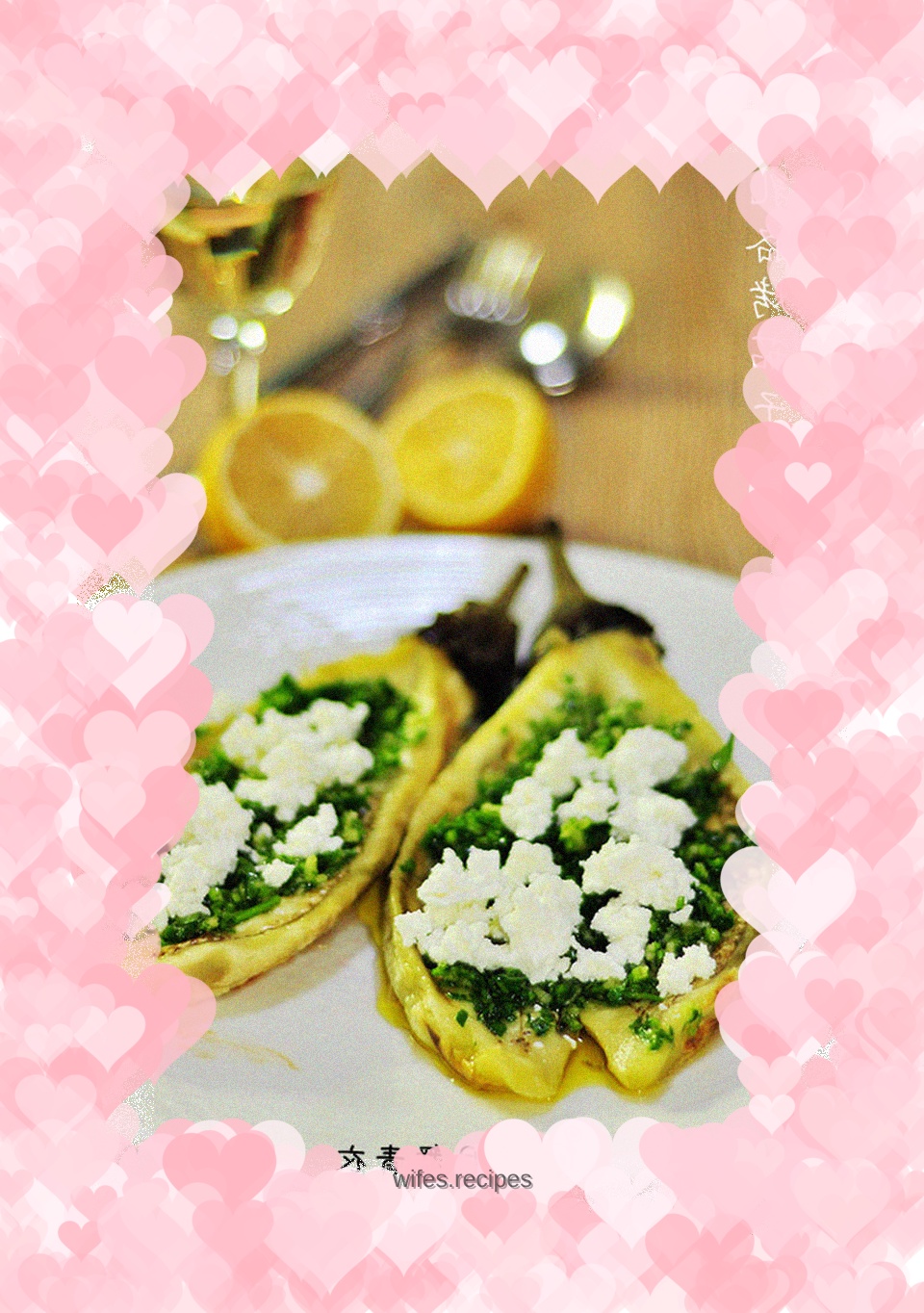
Overview
Cheese (English: cheese), also known as cheese, cheese, translated as cheese, cheese, cheese, is a general name for a variety of dairy cheeses, with various flavors, textures and forms. Cheese is made from milk, which is rich in protein and lipids. The milk sources include cattle, buffalo, goats or sheep. Rennet is usually added during the production process to cause the casein in it to coagulate and acidify the dairy products, and then the solids are separated and pressed into the finished product. Some cheeses have mold on the surface or inside them, and most cheese products tend to melt when cooked indoors. There are hundreds of types of cheese, and their milk origin (the food eaten by the milk-producing animals also varies), whether pasteurization is used, butterfat content, bacteria and mold, processing methods and fermentation determine their shape, mouthfeel, and flavor. Cheese can be flavored with herbs, spices, or smoke. The yellow and red colors in cheeses, such as Red Leicester, are due to the addition of annatto seeds. In a few cheeses, the milk is coagulated by adding vinegar, lemon juice, or other acids, while in most cheeses, bacteria are slightly acidified to change lactose into lactic acid, and then rennet is added to completely coagulate it. In vegan cheese, rennet can be replaced by other substances. Most vegetarian cheeses are made by fermentation of the fungus Mucor oryzae, but some are also made from different species of Cardoon. Most cheeses are creamy white to golden yellow in color. Traditional cheese is rich in protein and fat, vitamin A, calcium and phosphorus. Modern low-fat cheese can also be made from skimmed milk. In addition to traditional Western cheese products, China's cheese varieties include various non-lactic acid bacteria cheeses made by the Daliang Dairy minority in Guangdong. Goat cheese: Goat cheese is made from goat milk. It started as a poor man's cheese, because the poor could only afford one sheep that would eat everything. Most goat cheese in Europe is soft, but in the UK there are soft and hard varieties. Some goat cheeses have a goat cheese flavor, but most are similar to cow cheeses. Greeks and Italians prefer to use feta cheese in salads and eat it directly. There is a faint smell of mutton and a little sour taste. Paired with Italian celery and olive oil, the sour but neutral taste is very refreshing. The smell of mutton is almost negligible, but it becomes more and more fragrant the more you eat it. If you don't have feta cheese, you can use other cheese instead, but not mozzarella or cream cheese.
Tags
Ingredients
Steps
-
Wash the eggplant and finely chop the Italian celery. Crush the garlic into a puree.

-
Make a small slit on the top of the eggplant, around the stem, and then make 4 cuts along the slit.

-
Place on a baking sheet, pour olive oil over and spread evenly with your hands.

-
In the middle layer, set the upper and lower temperature to 220 degrees and bake for 30-40 minutes (depending on the size of the eggplant).

-
Turn the eggplants every 5 minutes in between.

-
Put the minced garlic, crushed black pepper, and chopped Italian celery in a bowl, pour in the olive oil and mix well.

-
The eggplant is roasted and cooled slightly

-
Use a knife to gently tear open the top and peel off the skin.

-
Gently cut the eggplant in the middle

-
Pour on the prepared juice and spread evenly.

-
Sprinkle with grated feta cheese and squeeze over lemon juice.
