Shaanxi specialty noodles - Qinxiang biangbiang noodles
Overview
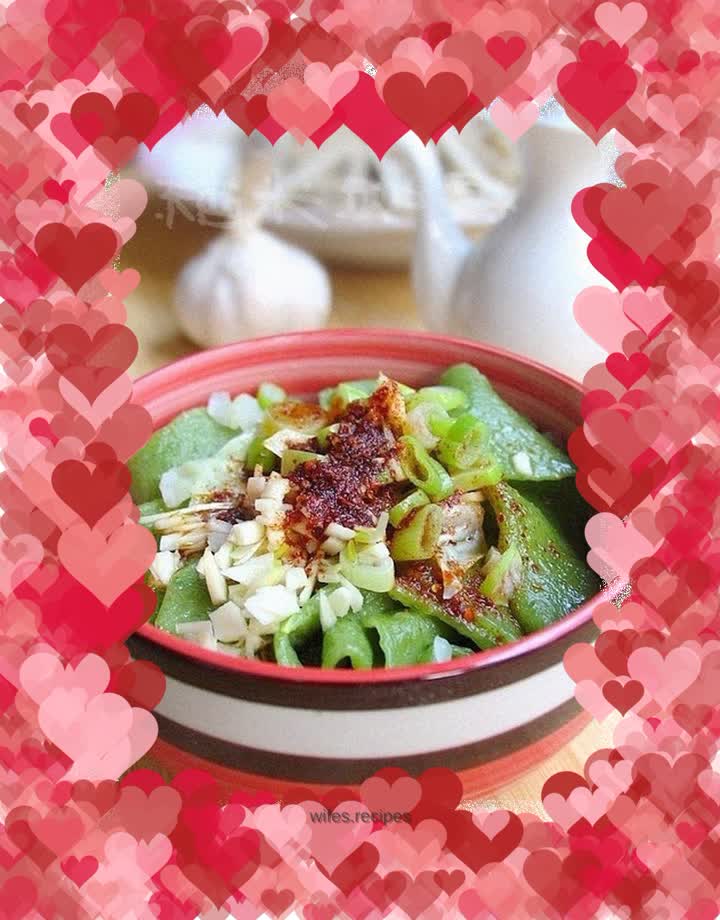
When it comes to this biangbiang aspect, I feel like there is a lot that I have to say. First of all, let’s get to know how to write biang. There are formulas for you to appreciate the writing of biangbiang. This is one of them: At one o’clock, the Yellow River makes two bends, the mouth is wide open, and the word I goes in; You also twist (twist), I also twist (twist), with a bamboo basket in the middle; You are also long, and I am long, with a horse king in the middle; Next to the word "month", at the bottom of the word "heart", leave a hook to hang sesame candy; Get on the bus and visit Xianyang! The pronunciation of the biangbiang word is onomatopoeia, and its cross talk name is as follows: 1. When the noodles are rolled and pulled on the chopping board, a biangbiang sound will be made on the chopping board; 2. When the noodles are put into the pot, a biangbiang sound will be made on the edge of the pot; 3. When the noodles are taken out and seasoned and stirred, a biangbiang sound will be made; 4. When the noodles are in the mouth, a biangbiang sound will be made near the mouth; 5. The surface with the above sound characteristics is very flexible and elastic, and has a chewy texture. I wonder if you have a little understanding and impression of biangbiang noodles after saying this? If you still don’t understand it well, it doesn’t matter. Come to Misu’s and have a bowl of spicy and sour chewy biangbiang noodles. I guarantee you will never forget it! Today’s biangbiang noodles on rice cakes add celery juice when kneading the noodles, which makes the whole noodle more fragrant and nutritious. It will be more chewy and smooth in your mouth, and the taste will be endless! How does it look? Not bad! Those who want to eat the stuffed buns should hurry up, it’s first come, first served, and it’s only available once you’ve finished eating! Hot and sour, chewy, chewy, and endless aftertaste! This is the taste of this bowl of noodles, and the endless delicious taste of Shaanxi noodles. Do you want to taste it? Come and give it a try to ensure you are happy and satisfied!
Tags
Ingredients
Steps
-
Wash the celery leaves.

-
Add a small amount of warm water to a food processor and blend into juice.

-
Add a pinch of salt to the celery leaf juice and mix well.

-
Slowly pour in the flour, stirring with chopsticks while pouring, until all the flour turns into snowflakes.

-
Knead into a smooth dough, cover and leave for two hours, kneading several times in between.

-
Take out the dough and roll it into a piece about 1 cm thick, and cut it into wide strips.

-
After relaxing for 2 minutes, stretch with your hands.

-
Cover with a damp cloth or plastic wrap and let it rest for 5 minutes. Use both hands to pull the thick dough piece and smash it into a thin and even "trouser belt dough" on the chopping board. Beginners can use a rolling pin for rolling.

-
Bring the water to a boil and add the pulled noodles.

-
Cut the cabbage into small pieces, mince the onion and garlic and set aside.

-
After the noodles in the pot are boiled, add cabbage, add a little cold water and boil again.

-
Add 1 tsp of salt, a little chicken essence, 1 tsp of balsamic vinegar and half a tsp of soy sauce to the bowl to make a sauce.

-
Put the cooked noodles and cabbage into a bowl with the sauce. Place onions and minced garlic on top of the noodles, and add 2 tablespoons of dried chili powder.

-
Heat the oil in the wok until it starts to smoke, then remove from the heat. Use a shovel to scoop it up and pour it over the dried chili noodles and minced onion and garlic. Stir evenly and enjoy!
