Chongqing pickled fish
Overview
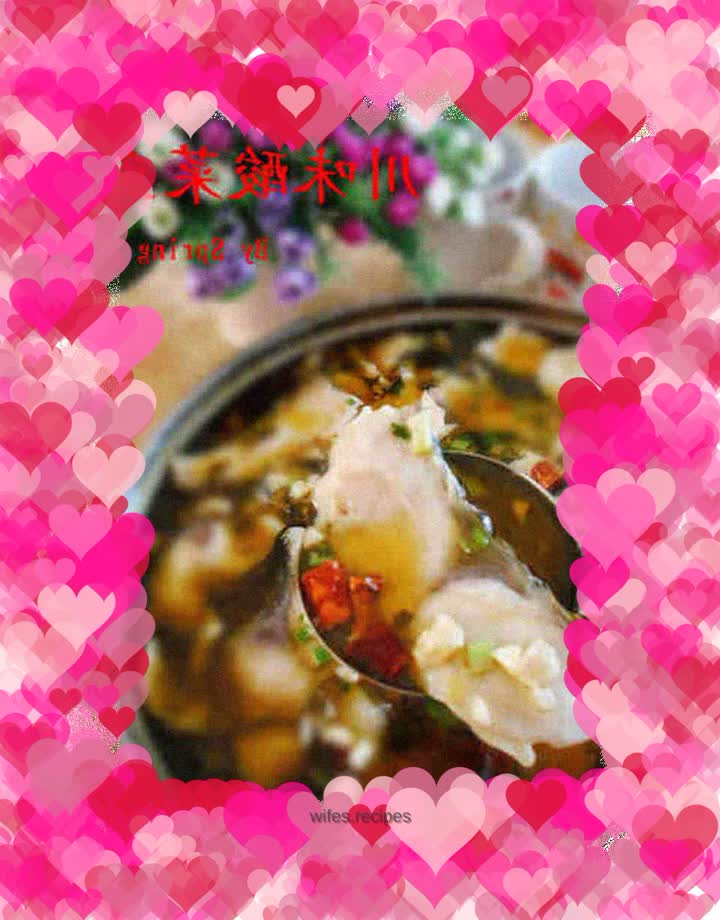
Pickled fish originated in Chongqing. It uses pickled green vegetables and fresh fish as raw materials. After many days of fermentation, the pickled green vegetables taste sour, so it is also called pickled cabbage. The fish cooked with this dish is called pickled fish. Sichuan people like to make kimchi and store it in large jars. They use a wide range of materials and can use them as needed. Green vegetables are also an important part of home-made kimchi. In the summer, the green vegetables are on the market. After washing, dry the water vapor, pickle them with an appropriate amount of salt, and put them into a kimchi jar. The edge of the jar is sealed with water to isolate the air and can be stored for many years. When new dishes come on the market next year, they can continue to be pickled, and so on. Pickled green vegetables are widely used. They can be used with chicken, duck, fish, and meat to make soup pots and hot pots. They are sour and refreshing, appetizing and relieving greasiness. The most fresh fish used to make pickled fish is grass carp, which has more meat, tender thorns, and no fishy smell. I personally like to buy grass carp weighing more than 3 or 4 pounds. The meat is thicker and can produce more fillets.
Tags
Ingredients
Steps
-
One fresh grass carp, slaughter and clean; wash off the black membrane inside the abdomen

-
Then use scissors to cut off the fins.

-
Make a cut across the neck of the fish until it reaches the bones.

-
Then make a deep cut with the blade of the fish along the back of the fish and close to the fish bones.

-
Go back to the fish neck and use the blade of a knife to peel off the fish meat on the front.

-
Then the blade is at an angle of 15-20 degrees to the fish body, close to the fish bones, and slices the fish meat away from the fish body.

-
Turn over and repeat the same action to remove the fish meat from both sides.

-
Remove the fish head, slice the fish head from the middle, remove the teeth, and wash it.

-
Chop the fish bones into sections of about 2 cm

-
Cut the fish meat into slices with a diagonal blade along the direction of the fish tail. If the fish meat is not thick enough to produce large slices, it can be cut into butterfly-shaped slices with a knife.

-
Filleted fish.

-
Place fillets into a large bowl.

-
Add a little salt, pepper, egg white, chicken essence, water starch and mix well to taste.

-
Rinse and finely chop Sichuan pickled cabbage. Cut green onions into sections, chop chives into thin pieces, and chop garlic into crushed rice. Cut dried chilies into small pieces.

-
Heat the pot, add oil, and put the ginger slices and peppercorns into the pot.

-
Add the sauerkraut and pickled peppers, stir-fry until the aroma is released, and stir-fry the surface of the sauerkraut until the water vapor dries and the oil spits out.

-
Next, add a small spoonful of red oil bean paste and continue to stir-fry for a while. Add enough bone broth or water to simmer the sauerkraut until it becomes fragrant and the leaves become soft.

-
Add the fish head and fish bones, add a few pieces of green onion, bring to a boil over high heat, skim off the foam, then turn to medium-low heat and simmer for about 10 minutes. Add an appropriate amount of salt and chicken essence according to the saltiness of the soup.

-
Pour into a suitably sized saucepan and place on the stove. (The purpose of changing the pot is to cook the fish fillets directly in the pot, and then serve it with the pot and vegetables to protect the fish fillets from being broken as much as possible.)

-
Reduce the heat to low, pick up the fish fillets piece by piece with your hands, and place them flat in the pot. Then turn on medium heat and bring the fish soup to a boil again. You can use a spatula to gently press the upper fish fillets down into the soup, so that they cook faster. When the fish fillets turn white, remove the pan from the gas stove and set aside. Sprinkle the fish fillets with chives, garlic and dried chili segments.

-
Take a clean iron pot, heat it up and pour in an appropriate amount of peanut oil. Heat it until it is 100% hot, then pour it on the dried chili peppers and garlic.
