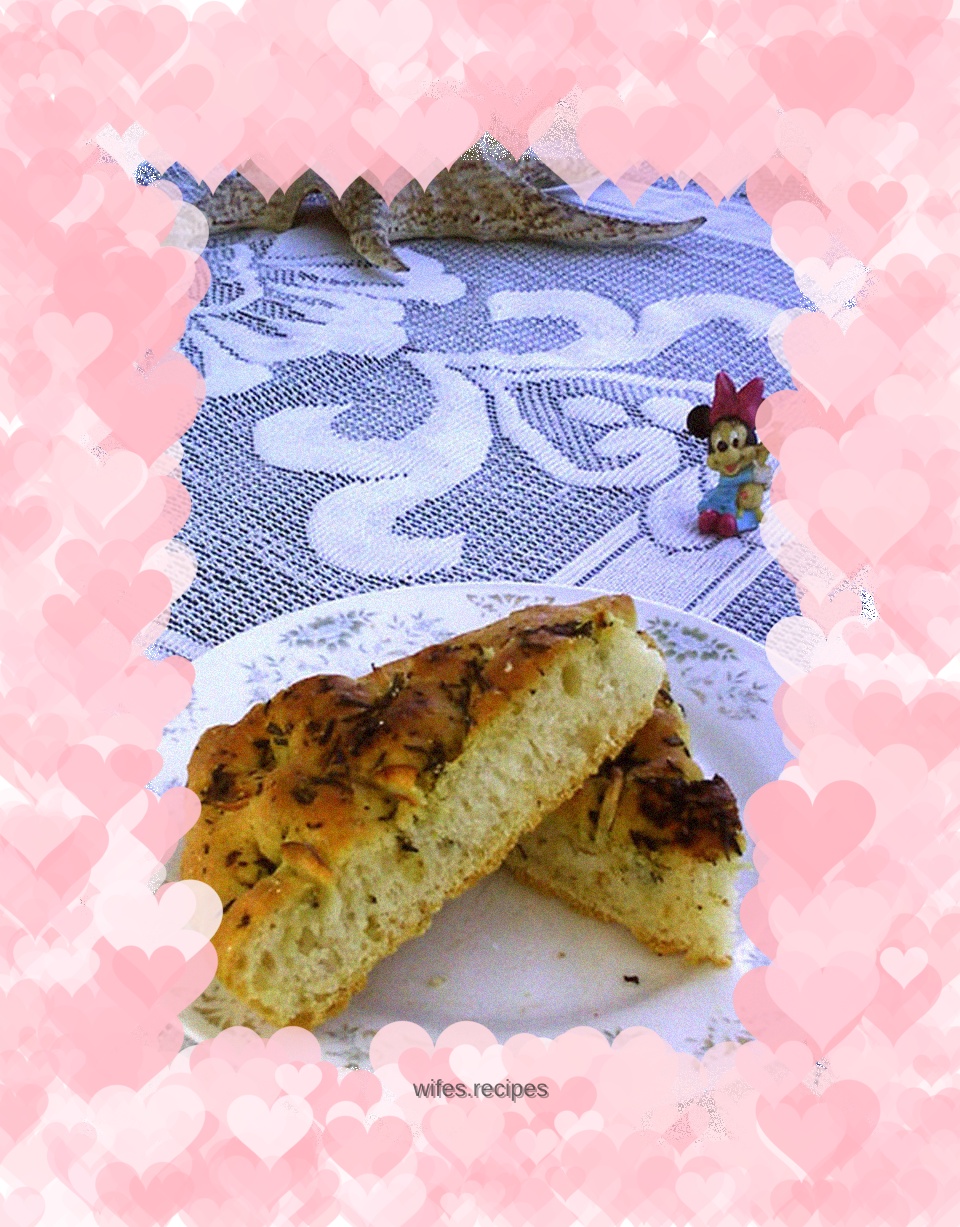
Polish starter focaccia
Overview
A starter is a powerful tool for baking good bread. It prolongs the fermentation time, allowing the grain molecules to release more flavor. Polish starter is a moist starter usually made with equal parts water and flour. Contains no salt, only 0.25% fresh yeast added. A moist starter creates far less resistance to dough fermentation. Therefore, yeast can easily convert sugar into carbon dioxide and ethanol. Because of this, a small amount of yeast can go a long way to ensure a long fermentation. When using Polish starter, we usually need to add some yeast at the end of kneading the dough to complete the fermentation, but it does not need to be added every time. Very little yeast. In the starter recipe, 319 grams of flour produces approximately 652 grams of starter, and only 0.9 grams of yeast are used. 567 grams of starter is used in the focaccia. Don't want to make that large amount of bread. 30% is enough to make a focaccia on a 9-inch pie plate. Calculated, the amount of yeast in the starter is only 0.23 grams. Very little. The fermentation time of the starter is very long, 3-4 hours, and it also needs to be kept in the refrigerator overnight, because this allows it to develop a richer flavor. But what if you don’t have time to make focaccia the next day? Fortunately, such a starter can be stored in the refrigerator for up to three days. When enough is enough, take it out at a convenient time within three days, and then officially start the focaccia process after one hour of warming. Fold three times, ferment for 1 hour and then 2 hours, bake until golden brown, any shade, cool for more than 20 minutes, cut into pieces. . . . The decoration and additions on the surface can be done according to convenience at hand, and the flavor of rosemary is the protagonist. . . .
Tags
Ingredients
Steps
-
Materials

-
Pour all the starter ingredients: 81.7 grams of high-gluten flour, 87 grams of water, and 0.23 grams of dry yeast into a bowl,

-
Stir evenly to form a thick paste, cover with plastic wrap and ferment for 3-4 hours

-
After the starter has risen, place it in the refrigerator overnight and up to 3 days. Take it out and let it warm for 1 hour

-
Pour 100 grams of high-gluten flour, 4.2 grams of salt, and 1.4 grams of dry yeast in the main dough into the bread barrel, and mix

-
Add starter, olive oil, water

-
Put it into the bread machine and stir for 15 minutes

-
into a smooth and sticky dough

-
Move to the counter and sprinkle generously with flour

-
Shape into a rectangular shape and let rest for 5 minutes

-
Stretch to double the length

-
30% off

-
Apply oil on the surface

-
Sprinkle with flour, cover with plastic wrap, and rest for 30 minutes

-
Stretch again

-
30% off

-
Apply oil on the surface

-
Sprinkle with flour, cover with plastic wrap and rest for 30 minutes. Repeat steps 15-18 and let rise for 1 hour

-
The dough has grown

-
Grease a 9-inch pie plate

-
Put in the dough

-
Drizzle half of the spiced olive oil over the surface and spread evenly

-
While pressing the dough with your fingers, spread the dough over the pie plate

-
Wash the rosemary in the ingredients and chop it roughly

-
Peel and slice garlic

-
Grind black pepper into coarse grains

-
Sprinkle rosemary over the surface,

-
Insert the garlic slices into the dough and sprinkle with black pepper. Cover with plastic wrap and ferment for 2 hours

-
After the dough has risen, pour the remaining spiced olive oil on the surface

-
Press the dough with your fingers to help absorb the spiced olive oil

-
Let the dough relax for 15-30 minutes to re-inflate

-
Place in the oven, middle layer, heat up and down at 230 degrees, bake for about 10 minutes, rotate the baking pan 180 degrees, continue baking for 5-10 minutes,

-
The surface turns golden brown and comes out of the oven

-
Unmold and cool for more than 20 minutes

-
Cut into pieces and eat
