Chongqing dry noodles
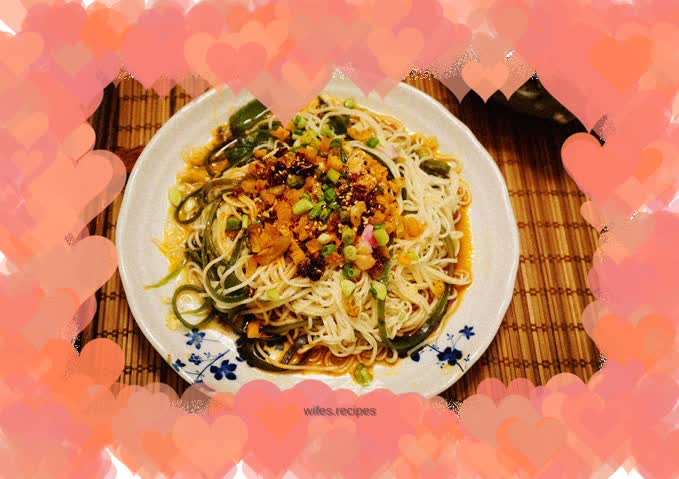
Overview
To say what Chongqing people think about food, it’s nothing more than what seasonings are to chili and Sichuan pepper; snacks are to hot and sour noodles and noodles, and banquets are to hot pot and grilled fish. Every city has its own unique memory and soul. Food always gives people one more taste memory of this city. Only after China on the Tip of the Tongue performed Chongqing Noodles so perfectly and temptingly in 2014, Chongqing Noodles became popular all over the country and even overseas, and the admiration and longing for it seemed to be overwhelming. Thousands of kilometers away, the longing for a bowl of authentic Chongqing noodles makes people feel pity. As a Chongqing native, I feel so happy. I can understand that kind of expectation. It’s like I was studying abroad. As soon as I returned to my hometown and set foot on the land of Chongqing, the first thing I did when I got off the car was to eat a bowl of hot noodles. The delicacies of the mountains and seas are not as real as this mouthful of hot soup, the tangy aroma of green onions, and the red chili oil. Taking a closer look at the many types of noodles in the world, there are only two types, those with soup and those without soup. Noodles with soup are called soup noodles, and noodles without soup are called dry noodles. Old Beijing fried bean paste noodles, Hubei Wuhan hot dry noodles, Sichuan Dandan noodles, and Yibin burning noodles are all dry noodles; not to mention noodles with soup. Noodles of different sizes and shapes are cooked and put into soups of different flavors or topped with whistles made of different ingredients to become a variety of soup noodles, such as beef noodles, pickled cabbage shredded pork noodles, chicken noodles, egg noodles, etc. To say which is better, soup noodles or dry noodles, is like asking which is more important, the left hand or the right hand. Which one is more delicious can only depend on the preference of the person eating it. However, dry noodles and soup noodles have distinct characteristics. If noodle soup allows diners to savor the deliciousness of the soup, then the noodles can only play a supporting role. A bowl of steaming soup, whether it is chicken soup or bone soup, the soup is clear, a mouthful of hot soup, a mouthful of hot noodles. The charming aroma of green onions intoxicates the heart, the numbing pepper numbs the tongue, the delicious soup moistens the esophagus and stomach, and the red chili oil intoxicates the taste buds. A small bowl of hot noodle soup, what you eat is the noodles, what you taste is the soup, and what you taste is the flavor. How can one not love it. Compared with soup noodles, dry noodles are more direct and refreshing. It is very similar to the cheerful and fiery character of Chongqing people, without the sloppiness of noodle soup. The noodles are cooked, mixed with various sauces, and eaten as much as you like. There are no fancy supporting roles on the soup noodles, and the dry noodles are more straightforward. Whether it's peanut butter or tahini, noodles look more appetizing after being dressed in a sticky coating. The dry noodles with thick oil and thick sauce will make people devour happily and happily. The noodles in dry noodles are the real protagonist. If soup noodles make people appreciate the soup, then dry noodles are the noodles that make people addicted to it. No matter what kind of noodles it is, as long as you like it. Just like fine wine, regardless of whether it is high or low, it is a kind of enjoyment. There is no big or small delicacy, because when the real delicacy is combined with the taste buds, it is like a vigorous love...
Tags
Ingredients
Steps
-
Prepare the raw materials in advance and choose fresh alkaline noodles for noodles

-
Make the homemade ginger and garlic water that must be used to make dry noodles. Crush the garlic and old ginger, pour an appropriate amount of cold water, add salt, sugar, cooking wine, and white pepper and stir well (it can also be used for cold dishes)

-
Pour an appropriate amount of water into the pot and bring it to a boil. Add the kelp shreds into the pot in advance and cook for a while, then add alkaline noodles and cook

-
Remove the cooked noodles and drain the water, pour lard, ginger-garlic water, soy sauce, red oil, sesame paste, vinegar, white sugar, and pepper noodles on the noodles, sprinkle with mustard and chopped green onion, stir evenly and serve
