Health-preserving Osmanthus and Lotus Root
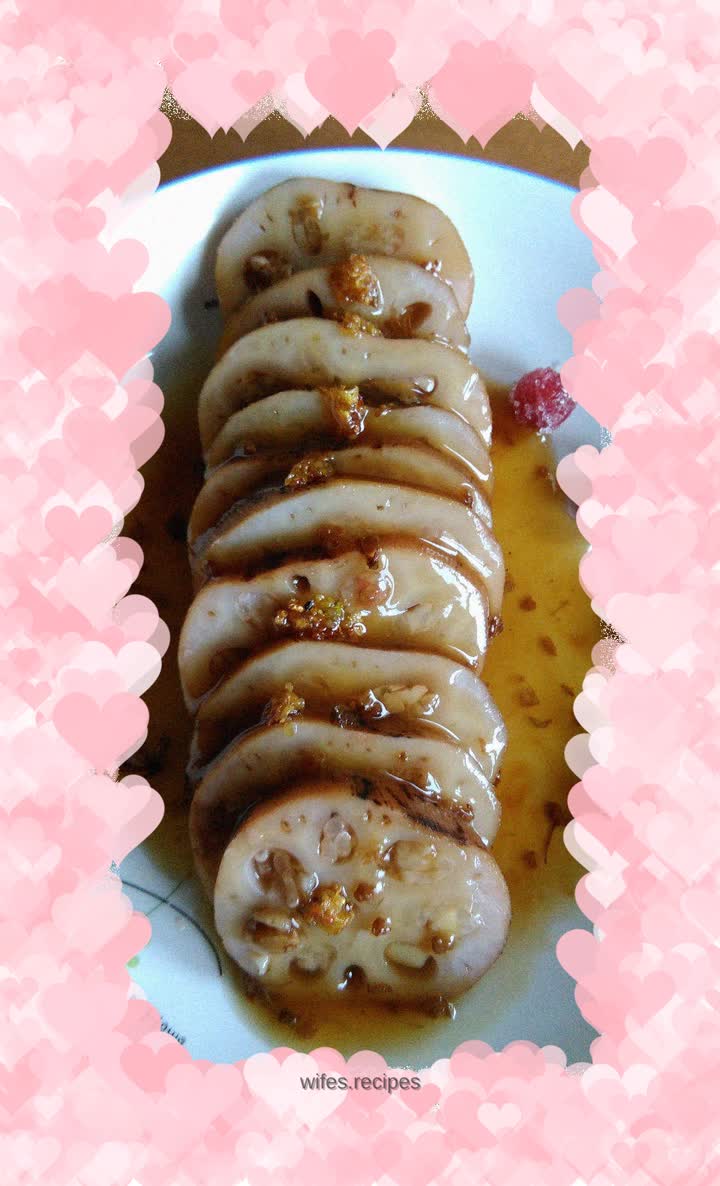
Overview
Osmanthus tea: Osmanthus has the functions of whitening the skin, detoxifying the body, relieving coughs and reducing phlegm, and nourishing the lungs. Glutinous rice has a high therapeutic effect, and the nutrients it contains have the effects of nourishing the spleen and stomach and replenishing lung qi. Lotus root contains a large amount of starch, protein, vitamin B, vitamin C, fat, carbohydrates, calcium, phosphorus, iron and other minerals. The meat is plump and tender, white and round, and has a sweet and crisp taste. When eaten raw, it is comparable to pears. These three things work together to nourish and maintain health
Tags
Ingredients
Steps
-
Prepare walnuts, peanuts, raisins, glutinous rice and glutinous rice. Soak the glutinous rice in water for 2 hours

-
Chop the walnuts, peanuts and raisins and mix well with the glutinous rice

-
After mixing well, cut both ends of the peeled lotus root into a 0.2-thick cover. Do not throw away the lid. After filling the glutinous rice, start to put in the glutinous rice. When every lotus root hole is filled, use chopsticks to fill the lotus root holes

-
After assembling, use a toothpick to cover the lotus root lid to prevent the glutinous rice from flowing out

-
When the water is boiling, add 2 tablespoons of brown sugar for coloring

-
Add 1 tablespoon of stuffed osmanthus and when the water is almost dry, take out the lotus root, add some soybean flour and some water to thicken it, pour it into the pot, adjust the sauce and turn off the heat

-
I brewed my own osmanthus

-
Cut the cooked lotus root into 0.2-thick slices and pour the prepared juice on top
