Stick noodles and wild vegetable dumplings
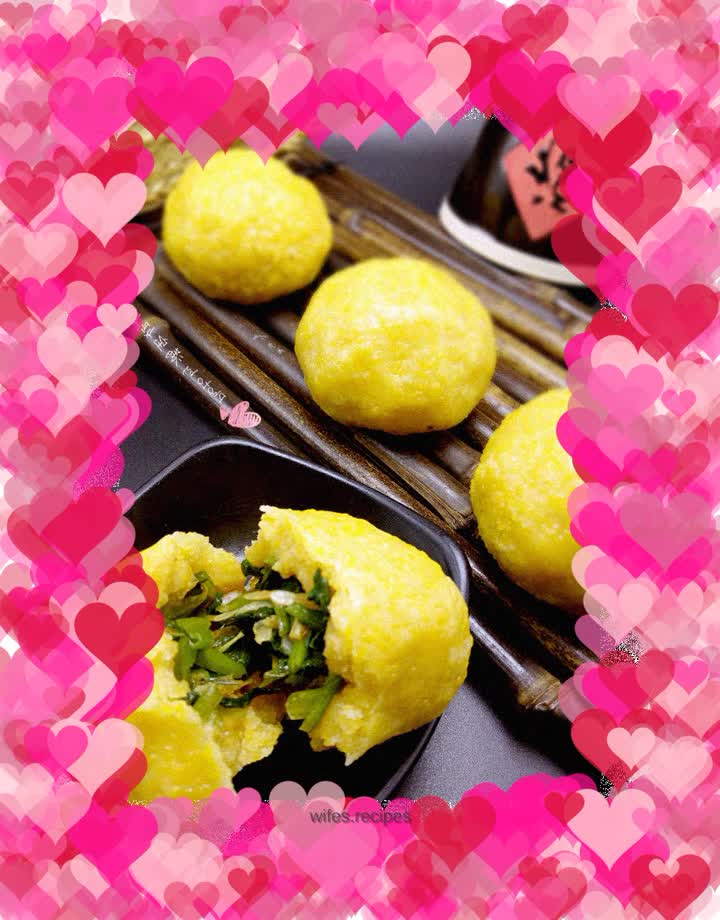
Overview
This stick noodle and wild vegetable dumplings are what my mother recalled. When my mother was a child, the country and society were relatively poor, and people's living conditions were not good, especially in rural areas, where material resources were even scarcer. Being able to eat without being hungry was a very happy thing. Fine grains are even more valuable, white flour steamed buns are a luxury item, and this kind of coarse grain wild vegetable dumplings have become an indispensable food on the table. Nowadays, people's living standards are constantly improving, their diets are becoming more and more diverse, and everyone is pursuing higher and higher taste and appearance of food. No one has eaten wild vegetable dumplings such as whole grains for a long time. However, the nutrients contained in various coarse grains have their own advantages. Compared with coarse grains, refined white rice and refined white noodles lose part of their nutrients during grain processing. The most serious losses are vitamin B1 and inorganic salts. Coarse grains are simple to process and retain many nutrients that are not found in refined grains. In terms of nutritional content, whole grains contain relatively little protein, but are rich in starch, cellulose, inorganic salts, and B vitamins, which have many benefits for the human body. Wild vegetables are also rich in nutrients, can help digestion, and have a unique flavor. They are the best seasoning for big fish and meat. Scientific research shows that eating some whole grains and wild vegetables appropriately can reduce the concentration of low-density cholesterol and triglycerides in the blood; increase the residence time of food in the stomach, and reduce the risk of hypertension, diabetes, obesity and cardiovascular and cerebrovascular diseases. Therefore, we also need to pay attention to the value of whole grains and wild vegetables. Today’s wild vegetable dumplings often undergo certain improvements and are better in taste and nutrition than in the past. For example, the fillings are not only made with wild vegetables, but also with eggs, black fungus and dried shrimps, which make them taste more fragrant. When making the noodles, three-way noodles, corn flour, white flour, and soybean noodles are often used, and a little baking powder or yeast is added. After steaming, they become more fluffy and have a softer texture. These ideas are indeed very good, and we can definitely learn from them when making them. But in order to restore its original taste, I made the most traditional and original cornmeal and wild vegetable dumplings this time, which is half cornmeal and half white flour. No yeast or baking powder is used. In order to make the noodles softer, boiling water is used to knead the dough. The wild vegetables are radish tassels (other wild vegetables will also work, I only have radish tassels left in the refrigerator). The radish tassels are a little short, so I mixed a handful of shrimp skin into it. The seasoning is also very simple. This is its original taste. Nowadays, we eat more chicken, duck, and fish, and the porridge, pickles, and steamed buns have a unique flavor. Of course, this stick noodle and wild vegetable dumpling is not as fancy as the delicacies from the mountains and seas, but its taste is light and simple, healthy and low-fat, and it is also very delicious. It is a way to remember the bitterness and sweetness while losing weight.
Tags
Ingredients
Steps
-
Prepare the main ingredients.

-
Mix cornmeal and white flour, pour in boiling water and stir gently with chopsticks.

-
Use chopsticks to stir into a fluffy consistency.

-
Knead into a dough of suitable dryness and wetness.

-
Blanch radish tassels (other wild vegetables are also acceptable) for a while.

-
Take it out and squeeze out the water.

-
Chop the radish tassels and add a handful of dried shrimps.

-
Add the above seasonings and mix well.

-
Take a piece of dough and flatten it with the palm of your hand.

-
Put appropriate amount of filling on the surface.

-
Push the sides toward the center so that the filling is wrapped in the dough, just like making glutinous rice balls, not like making steamed buns.

-
Tighten and round slightly.

-
Place in a steamer and steam for 15 to 20 minutes. The steaming time can be adjusted flexibly according to the size of the dumplings.

-
Turn off the heat and take it out and you can eat (the photos were taken under the heat, so the photos are a bit blurry)

-
Let’s be beautiful again.
