Tangzhong pineapple buns
Overview
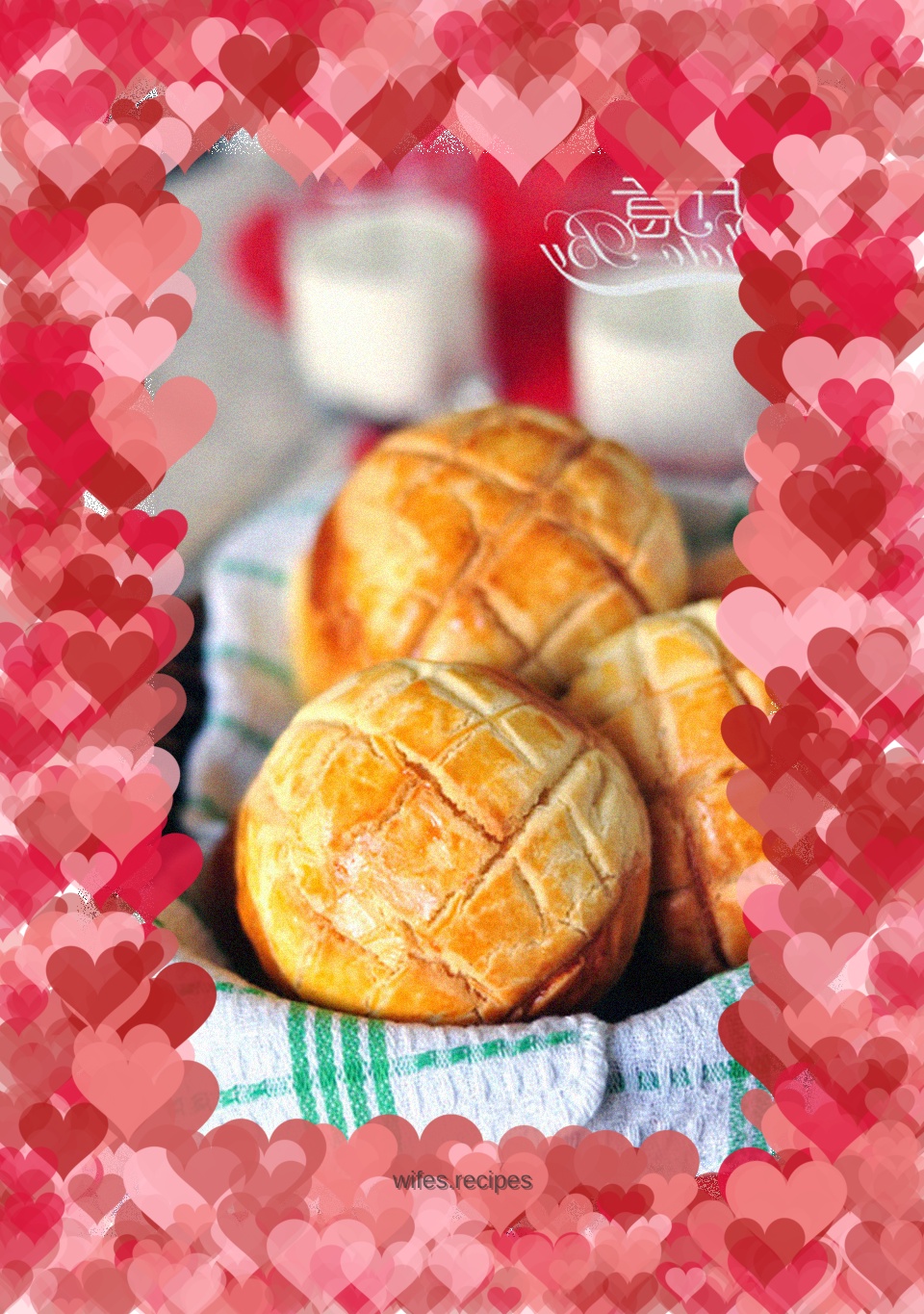
Recently, I especially like Tang Zhong when making bread because it is extremely soft and easy to make. There is nothing more simple and delicious than pineapple buns - super soft tissue soaked in soup, covered with a layer of Taiwanese pineapple skin, making a perfect collision of crispy and soft!
Tags
Ingredients
Steps
-
Stir 20g of Tangzhong flour and 100g of water evenly and put on the heat. Stir and heat over low heat until it becomes thick enough to leave traces when you scratch the egg. Remove from the heat immediately. Stir evenly and cool to room temperature. Cover with plastic wrap and refrigerate for more than 1 hour, preferably overnight. (Some recipes say that the best temperature for soup is 65 degrees, but not everyone needs to use a thermometer to measure it, and it is not necessary. As long as the batter is thick and can leave traces when scratched, be careful not to be too dry - this is my experience).

-
Put all the dough ingredients except butter: 210g high-gluten flour, 56g low-gluten flour, 42g fine sugar, 1/2 tsp salt, 6g instant yeast powder, 30g whole eggs, all soup seeds, and 60g milk into the mixing tank of the chef's machine. Do not add all the milk, leaving 1/4 to adjust the hardness of the dough;

-
After beating until the dough forms a ball, stop the machine and check the hardness of the dough. Add the remaining milk in an appropriate amount. If it is still hard, you can also add more milk;

-
Continue to beat the dough until the dough does not break when pulled, stop the machine and add butter that has softened to room temperature;

-
Continue to beat the dough until the dough surface is smooth;

-
Stop the machine and check the dough's consistency. It can be stretched into a thin film.

-
Roll the dough into a round shape, cover it with plastic wrap, and proceed with basic fermentation;

-
Ferment until it is doubled to two and a half times in size. Dip your fingers into dry flour and poke a small hole from the top of the dough. The dough will not collapse, the hole will not shrink, and the fermentation level is just right;

-
Take out the dough and divide it into 9 equal portions, roll into balls and cover with plastic wrap, let rest for 15 minutes;

-
Prepare pineapple skin: soften 55g butter to room temperature, stir with egg beater until very soft;

-
Add 55g of powdered sugar and continue stirring until the butter turns white;

-
Add 25g of egg liquid in three batches, stirring each time until the egg liquid is completely absorbed before adding the next time;

-
Finally add 70g of half of the flour and stir evenly;

-
Place the dough on the chopping board and use the remaining 60g of flour to adjust the hardness until it is about the same hardness as an earlobe;

-
Divide the pineapple peel dough into 9 equal portions and set aside;

-
The relaxed bread dough is rolled again until it is very round;

-
Take a piece of pineapple peel dough and knead it evenly, press it on the top of the bread dough, grab the bottom edge of the bread dough with your right hand, and coordinate with your left hand to push the pineapple peel evenly on the bread dough;

-
Try to let the pineapple skin completely cover the bread dough;

-
Use a scraper to score the pineapple skin three times vertically and horizontally to make traces of the pineapple. In fact, you don’t have to scratch it, as the bread will crack and create natural patterns when baking;

-
After everything is done, put it into the baking tray for final fermentation: put the baking tray into the oven and put a bowl of hot water at the bottom;

-
Ferment until doubled to two and a half times in size. Push the baking pan and the bread will tremble slightly; lightly brush with a layer of egg yolk;

-
Place in a preheated oven at 180 degrees and bake for 15 to 20 minutes, until the surface is golden brown.
